

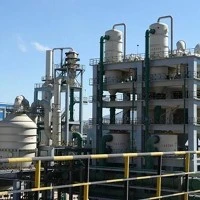


For a large-scale sulfuric acid project, selecting a production plant is not simply a matter of comparing equipment prices or nominal capacity. The plant must be matched to the feedstock, annual output, acid concentration, operating schedule, utility conditions, site layout, downstream process, and environmental requirements. These factors determine the process route, equipment configuration, heat recovery system, materials of construction, automation level, and overall project scope. For industrial buyers, the key question is not only how much acid the plant can produce, but whether the complete process system matches the required production conditions.

What Production Capacity and Process Route Should Buyers Choose?
The first purchasing decision is the required production capacity. Buyers should define the target annual output together with expected operating hours, rather than selecting equipment based only on nominal hourly capacity. A project producing 100,000 t/a, for example, requires a different process and utility configuration from a smaller facility or a plant designed for substantially higher output. Feedstock must be considered at the same stage because it directly affects the process route and upstream equipment.
A sulfur-burning sulfuric acid production plant generally follows sulfur melting, sulfur filtration, sulfur combustion, SO₂ conversion, SO₃ absorption, and finished sulfuric acid handling. When pyrite or sulfur-containing process gases are used instead of elemental sulfur, additional feed preparation and gas-cleaning systems may be required. The final process route should therefore be determined from the actual raw-material conditions, required production capacity, operating conditions, and downstream requirements.
What Does A Sulfuric Acid Plant Configuration Include?
A complete sulfuric acid plant consists of interconnected process sections rather than a single production machine. The equipment package normally needs to cover the feed preparation and combustion stages, catalytic conversion, drying and absorption, acid circulation, heat recovery, process control, and finished-acid storage or handling according to the project scope.
Sulfur melting and filtration → sulfur combustion → SO₂ conversion → drying and absorption → acid circulation → heat recovery → process control → finished acid handling.
The sulfur preparation section determines the condition of the feed entering combustion. The combustion section provides the SO₂ gas required by the conversion stage. The conversion and absorption sections determine how the process gas is converted and absorbed into sulfuric acid. Heat recovery can then be incorporated into the plant utility system where applicable.
For complete-plant procurement, these sections should be considered as one process system. Changes to capacity, feedstock, acid concentration, or operating conditions can affect equipment sizing, piping, utilities, instrumentation, and control requirements.
How Should Conversion, Absorption, and Heat Recovery Be Designed?
Each section of a sulfuric acid production plant is connected through the overall process conditions. The sulfur combustion system must provide stable SO₂ generation for the downstream conversion section, while the conversion system maintains the required gas conditions for catalytic oxidation. The drying and absorption system handles acid concentration and circulation, while heat recovery can be incorporated into the plant utility balance.
For complete-plant procurement, equipment selection should follow the process design-not the other way around.
A change in one process section can affect equipment sizing, utility consumption, heat balance, piping, instrumentation, and process control throughout the facility. These systems should therefore be evaluated as an integrated configuration rather than as independent equipment packages.
100,000 t/a Sulfuric Acid Production Plant: A Reference Configuration
A published reference configuration for a 100,000 t/a sulfur-burning sulfuric acid production plant uses a four-stage catalytic conversion system arranged as 3+1, together with double conversion and double absorption (DCDA). The reference configuration specifies an SO₂ conversion rate of ≥99.8% and sulfuric acid concentration of approximately 98.1–98.5%.
Capacity: 100,000 t/a
Conversion: 3+1 four-stage catalytic conversion
Absorption: Double conversion and double absorption (DCDA)
SO₂ conversion: ≥99.8%
Acid concentration: approximately 98.1–98.5%
Steam generation: approximately 15 t/h at 3.82 MPa
Control: DCS automatic control
These figures describe a reference configuration and should not be treated as universal design values. Final plant specifications depend on the actual feedstock, production target, utility conditions, site requirements, acid concentration, and applicable environmental requirements.
How Should Materials and Corrosion Protection Be Selected?
Material selection is an important part of sulfuric acid plant design because different sections are exposed to different gas, acid, temperature, and operating conditions. Materials should therefore be selected according to the actual service conditions rather than applying one material throughout the plant.
-
Acid-resistant construction can be used in relevant process equipment according to service conditions.
- Acid-brick lining can be applied where the process equipment and operating conditions require it.
- 316L alloy is used in relevant corrosive-service equipment within the applicable project configuration.
How Can Emissions and Process Control Be Managed?
Process control is closely related to stable operation of the sulfuric acid plant. The control system needs to coordinate the main process sections and monitor the operating variables required by the specific plant design. A DCS automatic control system is included in the published 100,000 t/a reference configuration.
Emission control should be addressed during process design rather than treated as a separate downstream issue. The applicable control measures depend on the process route, feedstock, plant configuration, local environmental requirements, and project conditions.
Environmental performance values should be confirmed against the final process design and the requirements applicable to the project site.
What Should Buyers Check Before Ordering Equipment?
Before ordering a complete sulfuric acid production plant, buyers should provide sufficient process information for the supplier to establish the plant configuration. The purchasing specification should cover the process requirements rather than only individual equipment names.
- Feedstock: sulfur, pyrite, or sulfur-containing process gas and its relevant composition.
- Production target: required annual capacity and operating conditions.
- Product specification: required sulfuric acid concentration and downstream use.
- Utilities: available power, water, steam, fuel, and other site conditions where applicable.
- Materials: required corrosion-resistant materials and lining arrangements for relevant equipment.
- Control and environmental requirements: automation scope, process monitoring, emission requirements, and applicable local regulations.
How to Choose the Right Sulfuric Acid Plant Manufacturer?
For a complete sulfuric acid plant, the manufacturer or engineering supplier needs to be evaluated according to the actual project scope. Buyers should clarify whether the supplier is responsible only for individual equipment or for process design, equipment supply, installation, commissioning, training, and technical support.
The same principle applies to process guarantees and technical specifications. Capacity, acid concentration, conversion performance, utility conditions, material selection, and environmental requirements should be defined against the specific project rather than taken from a general equipment catalogue.
About Asia Chemical Engineering Co., Ltd.
Asia Chemical Engineering Co., Ltd. provides engineering services for chemical and process production projects, covering technical consultation, process design, equipment manufacturing or procurement, installation, commissioning, operator training, and technical support.
For sulfuric acid projects, the engineering scope for a sulfuric acid production plant can be developed according to the selected feedstock, production capacity, process route, equipment configuration, utility conditions, materials of construction, control requirements, and project-site conditions. Sulfur-based and pyrite-based sulfuric acid plant configurations can be considered according to the raw-material requirements of the project.


