

For industrial buyers, purchasing a Phosphoric Acid Plant is a process-engineering decision rather than a simple equipment purchase. The required configuration depends on phosphate rock characteristics, target production capacity, product concentration and purity, selected production process, utility conditions, environmental requirements, and the intended downstream application. Comparing equipment prices or nominal output alone does not provide enough information to determine whether a proposed facility is suitable for the project. The process route, reaction system, solid-liquid separation, acid concentration, corrosion control, gas treatment, and overall plant integration need to be evaluated together.
Phosphoric acid production commonly uses phosphate rock as the phosphorus-bearing raw material. In the wet process, the rock is reacted with sulfuric acid, followed by solid-liquid separation and acid concentration. The actual process configuration needs to be determined according to the raw material, production target, product specification, and project conditions.
What Production Capacity Should Buyers Specify?
Production capacity should be defined together with the required operating schedule and final product specification. A buyer planning a fertilizer-oriented phosphoric acid project may have different requirements from a producer targeting higher-purity phosphoric acid for chemical or specialty applications. Therefore, annual output, daily production target, operating hours, product concentration, and downstream consumption should be established before equipment sizing begins.
Capacity also affects the size and arrangement of the reaction, filtration, evaporation, acid circulation, storage, and material-handling systems. Increasing plant capacity is not simply a matter of installing a larger reactor. Filtration area, slurry circulation, vapor handling, evaporation duty, pumps, piping, instrumentation, and supporting utilities must all be matched to the material balance and process conditions.
For this reason, buyers should provide a defined production target rather than requesting a quotation for a generic production line. The engineering scope can then be developed around the actual raw-material supply, product requirements, site conditions, and downstream process.
Which Phosphoric Acid Plant Process Should Buyers Choose?
The wet process is widely used for industrial phosphoric acid production, particularly where the acid is intended for fertilizer and phosphate-processing applications. It generally involves acidulation of phosphate rock, separation of the resulting phosphoric acid from calcium sulfate-containing solids, and subsequent concentration according to the required product specification.
Phosphate Rock → Grinding → Acidulation → Digestion → Filtration → Gypsum Washing → Clarification → Concentration → Storage
The thermal process follows a different phosphorus-processing route and may be considered when higher product purity is required. The appropriate process therefore depends on the required acid grade, downstream application, raw-material availability, and overall project requirements.
Phosphate Rock → Furnace Preparation → Electric Furnace Reduction → Phosphorus Condensation → Phosphorus Combustion → Oxidation → Hydration / Absorption → Cooling → Storage
For wet-process projects, phosphate rock characteristics are particularly important because mineral composition and impurities can affect reaction behavior, gypsum formation, filtration performance, acid quality, and downstream treatment requirements. A process configuration developed for one raw-material source should therefore be reviewed before being applied to another source.
What Raw Materials and Feed Preparation Are Required?
Phosphate rock is the primary phosphorus-bearing raw material for the conventional wet process. Before entering the reaction section, the rock normally requires preparation to achieve the physical characteristics needed for effective acidulation. Depending on the project, this may include crushing, grinding, classification, storage, conveying, weighing, and controlled feeding.
- Phosphate rock source and mineral type
- Chemical composition and major impurities
- Particle-size distribution or required grinding specification
- Expected raw-material supply and consistency
- Sulfuric acid availability and feed conditions
- Target phosphoric acid concentration and product grade
These inputs are important because changes in phosphate rock composition can affect the reaction section and the subsequent separation and concentration stages. The raw-material data should therefore be incorporated into the process design before equipment sizing is finalized.
What Equipment Is Included in the Production System?
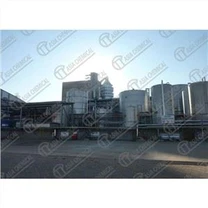
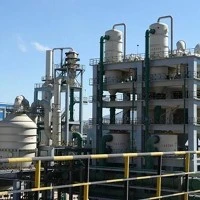
A complete Phosphoric Acid Plant system normally includes several interconnected process sections rather than a single production machine. Depending on the selected route and project scope, these may include phosphate rock preparation, reaction, filtration and washing, acid concentration, gas treatment, acid circulation, storage, material handling, and process control.
| Process Section | Typical Function | Key Procurement Consideration |
|---|---|---|
| Raw Material Preparation | Crushing, grinding, classification, storage and controlled feeding | Rock characteristics and required particle size |
| Reaction System | Reaction of prepared phosphate rock with sulfuric acid | Reaction conditions and slurry characteristics |
| Filtration and Washing | Separation of phosphoric acid from gypsum-containing solids | Filtration capacity, washing and acid recovery |
| Acid Concentration | Concentration of filtered phosphoric acid | Required product concentration and utility conditions |
| Gas Treatment | Collection and treatment of process gases | Gas composition and environmental requirements |
| Acid Storage and Transfer | Intermediate and finished-acid handling | Acid concentration, material compatibility and storage requirements |
The process sections need to be designed as an integrated system. For example, filtration performance is connected to slurry characteristics generated in the reaction section, while the concentration system is connected to the acid flow rate, target concentration, evaporation duty, and available utilities.
How Should Materials, Utilities, and Environmental Requirements Be Considered?
Material selection is an important engineering issue because the production process involves acidic, corrosive, abrasive, and hot process streams. The reaction slurry also contains solid particles, while filtration and evaporation introduce additional requirements for equipment, piping, pumps, tanks, seals, and process instruments. Materials should therefore be selected according to the actual chemical composition, temperature, concentration, abrasion conditions, and equipment duty.
Utility requirements should be established during process design rather than after equipment selection. Steam, cooling water, electrical power, process water, vacuum systems, compressed air, and other utilities can influence equipment sizing and plant layout. The concentration section is particularly relevant because evaporation adds a significant utility requirement to the overall process balance.
Wet-process phosphoric acid production can generate phosphate rock dust, fluoride-containing gases, particulate matter, and phosphoric acid mist. The required collection and treatment systems should be determined according to the process route, gas composition, production conditions, and applicable environmental requirements of the project location.
What Should Buyers Check Before Ordering?
Before placing an order, buyers should convert the project requirement into a defined technical scope. This helps reduce the risk of comparing quotations that are based on different process boundaries or equipment responsibilities.
- Raw-material characteristics and supply conditions
- Annual production capacity and operating schedule
- Product concentration and purity requirements
- Selected production process
- Equipment and process-system scope
- Steam, cooling water, electricity, and other utilities
- Site layout and infrastructure conditions
- Environmental control requirements
- Installation and commissioning responsibilities
- Operator training and technical support
Buyers should also confirm whether raw-material preparation, reaction, filtration, washing, concentration, gas treatment, acid storage, process control, installation, commissioning, and operator training are included in the proposed scope. This makes technical and commercial quotations easier to compare on the same basis.
How Should a Phosphoric Acid Production System Be Evaluated as a Complete Project?
A complete evaluation should connect the raw-material conditions with the final product and every major process section between them. Changing the phosphate rock can affect reaction conditions, gypsum formation, filtration behavior, acid recovery, evaporation requirements, and gas-treatment conditions. Similarly, changing the target acid concentration can affect the concentration system and overall utility balance.
For projects involving fertilizer production, chemical manufacturing, or other downstream applications, the production system should also be evaluated in relation to the subsequent process. The required acid specification may determine whether conventional wet-process acid is sufficient or whether additional purification or a different production route needs to be considered.
The engineering scope should therefore be reviewed as a complete process chain rather than as a list of individual machines. This approach allows equipment selection, material selection, utility planning, process control, and environmental systems to be coordinated from the beginning of the project.
Asia Chemical Engineering Co., Ltd. provides engineering services for chemical and process production projects, covering technical consultation, process design, equipment manufacturing or procurement, installation, commissioning, operator training, and technical support.
For phosphoric acid projects, the engineering scope for a Phosphoric Acid Plant can be developed according to the selected raw material, production capacity, process route, product specification, equipment configuration, utility conditions, materials of construction, environmental requirements, control requirements, and project-site conditions. The project scope can be coordinated across process design, equipment supply, installation, commissioning, and technical support according to the requirements of the individual project.