

In the intricate world of vitamin production, various chemical substances play pivotal roles, and sodium hydroxide (NaOH), commonly known as caustic soda, is no exception. As a trusted NaOH supplier, I have witnessed firsthand the indispensable nature of this chemical in the vitamin manufacturing process. This blog post aims to delve into the multifaceted role of NaOH in vitamin production, highlighting its importance and the value it brings to the industry.


Chemical Reactions and pH Adjustment
One of the primary functions of NaOH in vitamin production is its ability to participate in chemical reactions and adjust the pH of reaction mixtures. Many vitamin synthesis processes involve delicate chemical reactions that are highly sensitive to pH levels. NaOH, being a strong base, can effectively neutralize acidic components and create an optimal alkaline environment for these reactions to occur.
For instance, in the production of vitamin C (ascorbic acid), NaOH is used to adjust the pH during the hydrolysis of 2-keto-L-gulonic acid (2-KLG) to ascorbic acid. The hydrolysis reaction is catalyzed by an acid, but the subsequent conversion to ascorbic acid requires a slightly alkaline pH. By carefully adding NaOH, the pH can be adjusted to the desired range, promoting the efficient formation of vitamin C.
Similarly, in the synthesis of vitamin B6 (pyridoxine), NaOH is used to neutralize the acidic by-products generated during the reaction. This not only helps to maintain the stability of the reaction mixture but also prevents the degradation of the vitamin product.
Saponification and Extraction
NaOH is also widely used in the saponification and extraction processes of vitamins. Saponification is a chemical reaction that involves the hydrolysis of esters in the presence of a strong base, such as NaOH, to form fatty acids and glycerol. This process is commonly used in the production of fat-soluble vitamins, such as vitamins A, D, E, and K.
In the extraction of these vitamins from natural sources, such as fish oil or vegetable oils, NaOH is used to saponify the triglycerides present in the oils. This converts the triglycerides into fatty acids and glycerol, making it easier to separate the vitamins from the oil matrix. The resulting saponified mixture is then subjected to further purification steps to isolate the desired vitamins.
For example, in the production of vitamin A from fish liver oil, NaOH is used to saponify the oil, followed by extraction with organic solvents to separate the vitamin A from the fatty acids and other impurities. The extracted vitamin A is then purified and formulated into various pharmaceutical and nutritional products.
Purification and Quality Control
Another important role of NaOH in vitamin production is in the purification and quality control processes. NaOH can be used to remove impurities, such as heavy metals, acids, and other contaminants, from the vitamin products. This helps to ensure the purity and quality of the final product, meeting the strict regulatory standards set by the pharmaceutical and food industries.
In addition, NaOH can be used to adjust the pH of the vitamin solutions during the purification process. This helps to optimize the solubility and stability of the vitamins, making it easier to separate them from other components in the solution. For example, in the purification of vitamin B12 (cobalamin), NaOH is used to adjust the pH of the fermentation broth to a slightly alkaline level, which promotes the precipitation of the vitamin and facilitates its separation from the other fermentation by-products.
Equipment and Safety Considerations
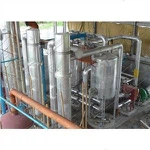
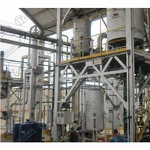
As a NaOH supplier, I understand the importance of providing high-quality products and ensuring the safe handling and use of NaOH in vitamin production. The production of NaOH itself requires specialized equipment and processes, such as the Caustic Soda Production Equipment. This equipment is designed to ensure the efficient and safe production of NaOH, meeting the strict quality and safety standards of the industry.
In addition, the chlor-alkali production process, which is the most common method for producing NaOH, involves the electrolysis of sodium chloride solution in a Chlor Alkali Production Plant. This process requires careful control of the operating conditions, such as temperature, pressure, and electrolyte concentration, to ensure the high quality and purity of the NaOH product.
When using NaOH in vitamin production, it is essential to follow strict safety protocols to prevent accidents and ensure the well-being of the workers. NaOH is a highly corrosive substance that can cause severe burns and damage to the skin, eyes, and respiratory system. Therefore, proper personal protective equipment, such as gloves, goggles, and respirators, should be worn when handling NaOH.
Conclusion
In conclusion, NaOH plays a crucial role in the production of vitamins, from chemical reactions and pH adjustment to saponification and extraction, purification, and quality control. As a trusted NaOH supplier, we are committed to providing high-quality NaOH products and technical support to the vitamin manufacturing industry. Our Sodium Hydroxide Plant is equipped with state-of-the-art technology and processes, ensuring the efficient and safe production of NaOH.
If you are involved in the vitamin production industry and are looking for a reliable NaOH supplier, we invite you to contact us for more information. Our team of experts will be happy to discuss your specific requirements and provide you with customized solutions. Let's work together to ensure the efficient and sustainable production of high-quality vitamins.
References
- Smith, J. K., & Johnson, M. A. (2018). Vitamin Production: Principles and Practices. CRC Press.
- Brown, R. A., & Green, S. E. (2019). Chemical Engineering in the Pharmaceutical Industry. John Wiley & Sons.
- Miller, L. G., & Thompson, D. E. (2020). Handbook of Industrial Chemistry and Biotechnology. Springer.