

Yo, what's up, folks! I'm a supplier of LABSA price, and today I wanna chat about what's going on with LABSA prices during economic recessions. It's a topic that's been on my mind a lot lately, especially with all the economic uncertainty we've been facing.
First off, let's break down what LABSA is. LABSA stands for Linear Alkylbenzene Sulfonic Acid. It's a key ingredient in all sorts of stuff, like detergents, cleaners, and personal care products. You use it pretty much every day without even thinking about it. It's a big deal in the chemical industry, and its price is super important for a whole bunch of businesses.
Now, when we talk about economic recessions, things get a little crazy. Recessions are those times when the economy takes a nosedive. Businesses slow down, people start losing their jobs, and everyone starts watching their spending. So, how does this affect the price of LABSA?


One of the main things that happens during a recession is a drop in demand. Since people are spending less money, companies that make consumer products like detergents and cleaners don't need as much LABSA. They cut back on their orders, and as a result, the market gets flooded with extra LABSA. When there's more supply than demand, prices usually go down. That's just basic economics.
For example, during the last big recession in [mention the year], a lot of my customers started reducing their orders. They were worried about their own sales and didn't want to be stuck with a bunch of expensive inventory. So, I had to lower my prices to try and keep selling. It was tough, but I knew I had to adapt to the situation.
But it's not all bad news. There are also some factors that can actually push the LABSA price up during a recession. One of these is the cost of production. Even if demand is down, the cost of making LABSA doesn't always go down. The raw materials needed to make LABSA, like linear alkylbenzene and sulfuric acid, can still be expensive. And if there are any disruptions in the supply of these raw materials, the cost of production can increase even more.
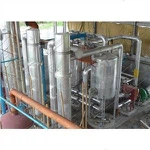
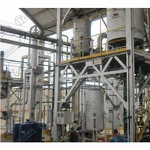
Let's talk about the production side a bit more. Here, the equipment used in the manufacturing process plays a crucial role. For instance, the Absorption Tower Sulphuric Acid Plant is an important piece of equipment. It's used in the production of sulfuric acid, which is a key raw material for making LABSA. Any issues with this plant, like maintenance problems or supply chain disruptions, can affect the availability and cost of sulfuric acid. And that, in turn, can impact the LABSA price.
Another important piece of equipment is the Sulphonation Reactor. This is where the actual reaction happens to convert linear alkylbenzene into LABSA. If there are any problems with the reactor, like a breakdown or inefficiencies, it can slow down production and increase costs. And when production costs go up, I might have to raise my prices, even during a recession.
The Sulphuric Acid Manufacturing Plant is also a major factor. A well - functioning plant is essential for keeping the supply of sulfuric acid stable. If there are any issues in the plant, such as environmental regulations forcing shutdowns or shortages of input materials, it can lead to higher prices for sulfuric acid. And since sulfuric acid is a big part of making LABSA, this can have a knock - on effect on the LABSA price.
During a recession, there's also a lot of competition in the market. Other LABSA suppliers are also trying to sell their product, and they might be willing to lower their prices even more to get customers. This can create a price war, which makes it even harder for me to set a profitable price for my LABSA. I have to be really careful not to price myself out of the market, but at the same time, I need to make sure I'm still making some money.
So, what does this all mean for you, the buyer? Well, if you're in the market for LABSA during a recession, you might be able to get a good deal. With lower demand and more competition, you could potentially find some great prices. But you also need to be aware of the quality and reliability of the supplier. Just because a price is low doesn't mean it's a good deal if the product is sub - par.
On the other hand, if you're worried about disruptions in the supply chain or potential price increases due to production issues, it might be a good idea to lock in a long - term contract with a reliable supplier like me. That way, you can ensure a stable supply of LABSA at a set price, regardless of what happens in the market.
I know all this talk about prices and economics can be a bit overwhelming. But that's where I come in. I've been in the LABSA business for a long time, and I've seen how things change during economic recessions. I'm here to work with you and find the best solution for your LABSA needs. Whether you're looking for a short - term deal or a long - term partnership, I'm ready to chat.
If you're interested in learning more about our LABSA products and prices, don't hesitate to reach out. We can have a nice, relaxed conversation about your requirements and how we can work together. After all, we're all in this business together, and I believe that by working as a team, we can beat the challenges that economic recessions bring.
So, if you're in the market for LABSA, drop me a line and let's start a conversation. I'm looking forward to hearing from you!
References
- Economic textbooks on the impact of recessions on commodity prices.
- Industry reports on the LABSA market during past economic downturns.
- Data from chemical industry associations regarding raw material costs and production efficiency.