

As a Sodium Silicate (Na2SiO4) supplier, I've witnessed firsthand how the dynamics of labor costs can have a substantial influence on the price of this versatile chemical product. In this blog post, we'll explore the intricate relationship between labor costs in Na2SiO4 production and its ultimate market price.
Understanding the Labor - Intensive Nature of Na2SiO4 Production
The production of Na2SiO4 involves several complex steps, each demanding a certain level of human intervention. From the initial raw material handling to the final packaging, labor plays a crucial role.
At the beginning, workers are responsible for sourcing and preparing the raw materials, which typically include sand and soda ash. These raw materials need to be carefully measured and combined in specific proportions. Any inaccuracies in this stage can affect the quality of the final product, so skilled labor is required to ensure precision.
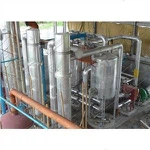
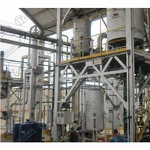
The next phase is the actual reaction process. In a Sodium Silicate (Water Glass) Plant, workers operate the equipment, monitor the temperature, pressure, and other reaction conditions. This is a critical step as it determines the chemical properties of the sodium silicate. For example, the reaction temperature can significantly impact the viscosity and density of the product.
After the reaction, the sodium silicate needs to go through purification and separation processes. Workers are involved in operating filtration systems and other separation equipment to remove impurities and obtain a high - quality product.
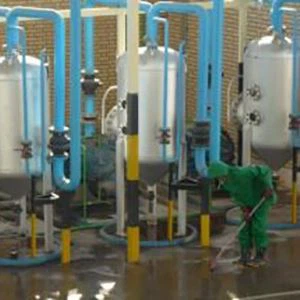

Finally, the product is packaged and prepared for shipment. This involves tasks such as filling containers, labeling, and ensuring proper storage conditions. All these steps rely on the labor force, and the efficiency and skill level of the workers can greatly affect the overall production process.
How Labor Costs Impact Production Costs
Labor costs make up a significant portion of the total production costs of Na2SiO4. There are several factors that contribute to labor costs.
First and foremost is the wages of the workers. In regions where the cost of living is high, workers demand higher salaries. This directly increases the labor cost per unit of production. For instance, in developed countries, the hourly wage rate for chemical plant workers is often much higher than in developing countries. As a result, a Na2SiO4 production facility in a developed country will have higher labor costs, which will be reflected in the price of the product.
Training and development also add to the labor cost. Since the production of Na2SiO4 requires specific skills and knowledge, companies need to invest in training their employees. This includes initial training for new hires as well as continuous training to keep up with the latest production techniques and safety standards.
Another aspect is labor - related benefits. Companies are required to provide benefits such as health insurance, paid leave, and retirement plans. These benefits increase the overall cost of employing workers. In some countries, the cost of providing these benefits can be substantial, further driving up the labor cost in Na2SiO4 production.
The Ripple Effect on Na2SiO4 Prices
When labor costs increase, it has a direct impact on the price of Na2SiO4. As mentioned earlier, labor is a major component of the production cost. If labor costs go up, the supplier has to raise the price of the product to maintain profitability.
Let's take a hypothetic example. Suppose a company is producing Na2SiO4 and the labor cost accounts for 30% of the total production cost. If the labor cost increases by 10%, the total production cost will rise by approximately 3% (assuming other costs remain constant). To cover this increased cost, the company will likely increase the price of Na2SiO4 by a similar percentage.
However, the relationship is not always straightforward. The market demand for Na2SiO4 also plays a role. If the market is highly competitive and there are many suppliers, a supplier may be reluctant to raise the price too much for fear of losing customers. In this case, the supplier may try to absorb some of the increased labor cost by reducing other costs, such as cutting down on non - essential expenses or improving production efficiency.
On the other hand, if the demand for Na2SiO4 is high and the supply is limited, suppliers have more flexibility to pass on the increased labor cost to the customers in the form of higher prices.
Strategies to Mitigate the Impact of Labor Costs
As a Na2SiO4 supplier, we are constantly looking for ways to mitigate the impact of rising labor costs on the product price.
One strategy is to invest in automation. In a Liquid Sodium Silicate Digester Plant, automation can be used in processes such as raw material dosing, reaction control, and product packaging. By replacing some manual labor with machines, we can reduce the labor cost per unit of production. Although the initial investment in automation is high, in the long run, it can lead to significant cost savings.
Another approach is to improve labor efficiency. This can be achieved through better training and management. By providing workers with more comprehensive training, they can perform their tasks more accurately and quickly. Effective management practices, such as job rotation and performance - based incentives, can also motivate workers to be more productive.
We can also consider sourcing labor from regions with lower labor costs. However, this needs to be done carefully, taking into account factors such as the quality of the labor force, infrastructure, and political stability.
Influence on Different Types of Na2SiO4 Products
The impact of labor costs on price can vary depending on the type of Na2SiO4 product. For example, the production of liquid sodium silicate involves different processes compared to solid sodium silicate.
In a Sodium Silicate Process Equipment for liquid sodium silicate, the production process is relatively more continuous and may rely more on automated equipment. However, labor is still required for monitoring and maintenance. If labor costs increase, the price of liquid sodium silicate will also be affected, but the degree may be different from that of solid sodium silicate.
Solid sodium silicate production may involve more manual handling in the final stages, such as crushing and grinding. Thus, an increase in labor costs may have a more significant impact on the price of solid sodium silicate.
Conclusion and Call to Action
In conclusion, labor costs in Na2SiO4 production have a profound impact on its price. As a supplier, we are well - aware of these dynamics and are constantly striving to balance cost - control with product quality.
If you are in the market for high - quality Na2SiO4 products, we invite you to engage in a procurement discussion with us. We can offer you competitive prices while ensuring the best quality of our sodium silicate. Our team of experts is ready to answer all your questions and provide you with customized solutions based on your specific needs.
References
- Chemical Engineering Handbook: Sodium Silicate Production Processes
- Industry Reports on Labor Costs and Chemical Product Pricing
- Research Papers on Automation in Chemical Manufacturing