

Hey there! I'm a supplier for a LABSA factory, and I'm stoked to share with you how we make sure our product stays consistent. LABSA, or Linear Alkylbenzene Sulfonic Acid, is a key ingredient in lots of cleaning products, from dish soap to laundry detergent. Keeping its quality consistent is super important for our customers, who rely on it to make top - notch end products.
Raw Material Sourcing
First off, let's talk about raw materials. You know what they say, "You're only as good as what you start with." We're really picky about where we get our stuff. We establish long - term partnerships with top - notch suppliers. These guys are vetted thoroughly, and they've proven time and again that they can deliver high - quality raw materials. Our linear alkylbenzene and sulfur trioxide, the main ingredients for LABSA production, have to meet strict specs.
For example, the linear alkylbenzene should have a specific carbon chain length distribution. If it's off, it can mess with the final product's properties, like its solubility and foaming ability. So, we do regular quality checks on every batch of raw materials we receive. We use advanced analytical techniques, such as gas chromatography and mass spectrometry, to make sure the purity and composition are spot - on.
State - of - the - Art Manufacturing Process
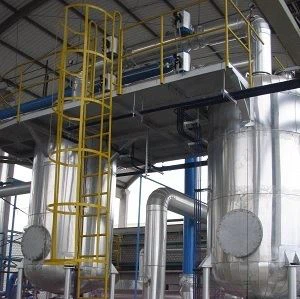
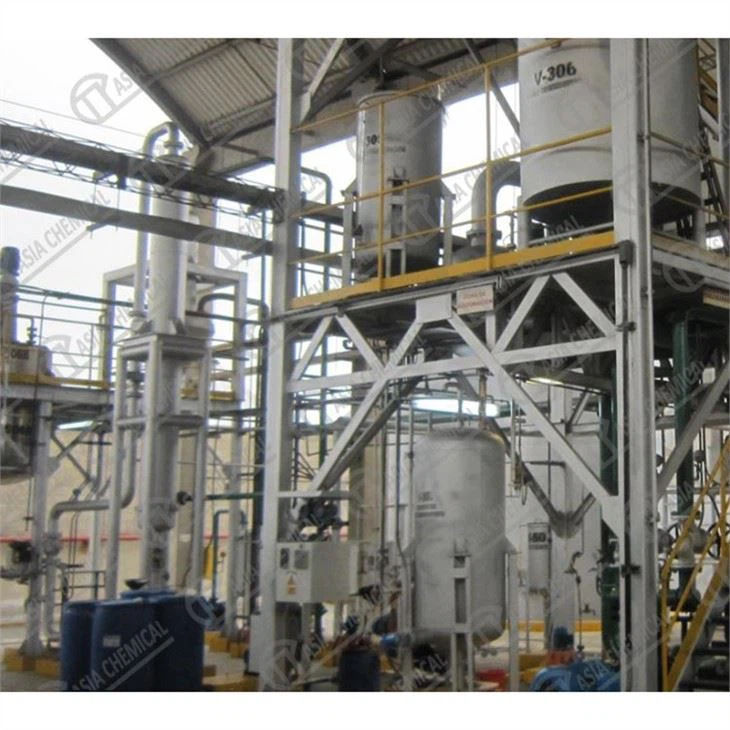
Our manufacturing process is a big deal when it comes to ensuring consistency. We've invested in a Sulfonation Production Line that's cutting - edge. This state - of - the - art equipment is designed to precisely control the reaction conditions between linear alkylbenzene and sulfur trioxide.
Temperature, pressure, and reaction time are all crucial factors in the sulfonation process. We've got automated control systems in place to keep these variables within a narrow range. For instance, if the temperature is too high, side reactions can occur, leading to impurities in the LABSA. Our equipment constantly monitors and adjusts these parameters, so we know we're getting the same quality product every time.
Another important aspect is the agitation during the reaction. Proper agitation ensures that the reactants are well - mixed, which is essential for a uniform reaction. Our sulfonation reactors are designed to provide optimal agitation, and we regularly maintain and calibrate the agitators to make sure they're working at their best.
Quality Control at Every Step
We don't just rely on the manufacturing process to ensure consistency. We've got a comprehensive quality control system that covers every step of the production, from raw material intake to the final product leaving the factory.
At the raw material stage, as I mentioned earlier, we conduct detailed inspections. Once the production starts, we take samples at regular intervals during the sulfonation process. These samples are analyzed for things like acidity, purity, and color. If any of these parameters fall outside the established limits, we can quickly adjust the process to get back on track.
After the reaction is complete, the LABSA goes through a series of purification steps. This includes neutralization, where we adjust the pH of the product, and filtration to remove any solid impurities. We also have a strict quality check at the end of the purification process. Only when the LABSA meets our stringent quality standards can it be packaged and sent out to our customers.
Employee Training and Expertise
Our employees are the heart of our operation. They're the ones who make sure everything runs smoothly and that the product quality stays consistent. We invest a lot in employee training. Our operators are trained to understand the manufacturing process inside out and to handle any unexpected situations that might arise.
They know how to operate the Sulfonation Production Line and other equipment safely and efficiently. We also have a team of quality control experts who are well - versed in the latest analytical techniques. They're responsible for conducting the quality checks and interpreting the results accurately.
Regular training sessions are held to keep everyone updated on the latest industry trends and best practices. We encourage our employees to share their ideas and experiences, which helps us continuously improve our processes and product quality.
Environmental Monitoring and Safety
A stable and safe working environment also plays a role in ensuring product consistency. We closely monitor the environmental conditions in our factory. Factors like humidity and dust levels can affect the production process. If the humidity is too high, it can lead to corrosion of the equipment, which might in turn affect the quality of the LABSA.
We've also got strict safety protocols in place. Safety is not only important for our employees but also for maintaining product quality. For example, if there's a safety incident that causes a disruption in the production process, it can lead to inconsistent product quality. So, we make sure that all our employees are trained in safety procedures and that the factory is equipped with the necessary safety devices.
Supply Chain Management
Managing our supply chain effectively is another key factor. We need to make sure that we have a steady supply of raw materials and that we can deliver our LABSA to our customers on time. Any disruptions in the supply chain can lead to inconsistencies in production.
We work closely with our suppliers to manage inventory levels. We use advanced inventory management systems to track the quantity and quality of our raw materials. This helps us avoid shortages or having to use sub - standard materials due to a lack of options.
On the other hand, we also have a well - organized distribution network. We make sure that our LABSA is stored and transported under the right conditions. Different climates can affect the stability of LABSA, so we use appropriate packaging and transportation methods to prevent any changes in its properties during transit.
Comparison with Other Production Lines
It's worth noting that we've got experience in other related production lines too, like the Metasilicate Sodium Silicate Production Line and Sulphuric Acid Production. These experiences have given us a broader perspective on ensuring product consistency.
In the metasilicate sodium silicate production line, for example, the control of crystallization conditions is crucial for product quality. We've learned from these processes how important it is to have precise control over reaction parameters. The same principles apply to our LABSA production. And in sulfuric acid production, we understand the importance of purity and how impurities can affect downstream processes.
Conclusion
In conclusion, ensuring product consistency in a LABSA factory is a multi - faceted task. It involves everything from sourcing high - quality raw materials, using advanced manufacturing equipment, having a comprehensive quality control system, well - trained employees, a stable work environment, and effective supply chain management.
If you're in the market for high - quality, consistent LABSA, we'd love to have a chat with you. Our commitment to product quality means you can trust us to meet your needs. Whether you're a small - scale detergent manufacturer or a large - scale industrial user, we've got the expertise and the production capacity to supply you with the best LABSA on the market. Reach out to us for a detailed discussion on how we can work together!
References
- "Industrial Organic Chemistry" by Klaus Weissermel and Hans - Jürgen Arpe
- "Chemical Process Engineering: Design and Economics" by Mark M. Warner