

In the chemical industry, sodium hydroxide (NaOH), commonly known as caustic soda, is a highly versatile and widely used compound. As a supplier of NaOH, one of the most frequently asked questions I encounter is whether the price of NaOH includes taxes. This blog post aims to delve into this topic, providing a comprehensive analysis from various perspectives.
Understanding the Pricing Structure of NaOH
The price of NaOH is determined by a multitude of factors, and taxes are just one piece of the puzzle. Before discussing whether taxes are included in the price, it's essential to understand the main components that contribute to the overall cost.
- Raw Material Costs: The production of NaOH primarily involves the electrolysis of salt (sodium chloride). Fluctuations in the price of salt, as well as other raw materials such as water and electricity, can significantly impact the cost of NaOH production. For instance, if there is a shortage of salt in the market, the price of NaOH is likely to increase.
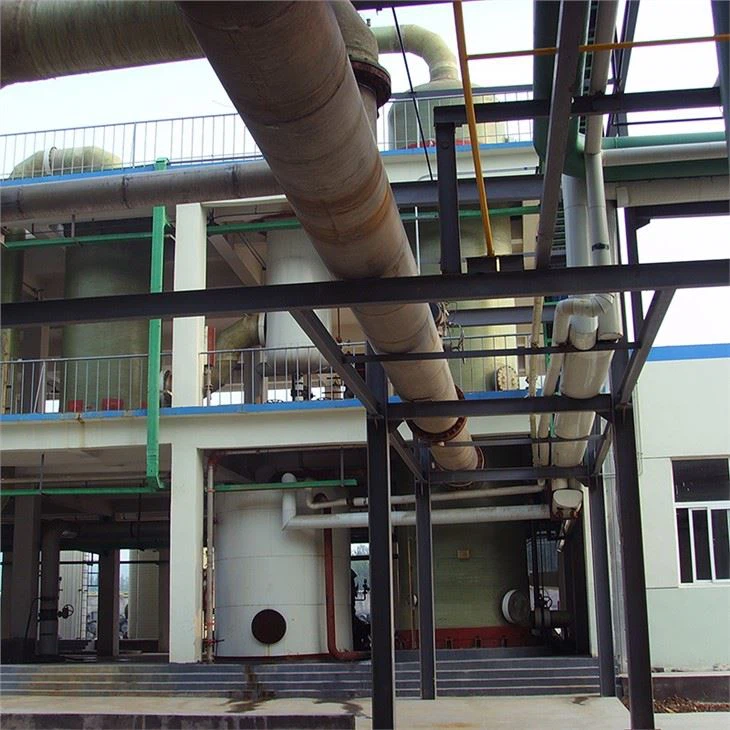
- Production and Processing Costs: The manufacturing process of NaOH is complex and energy - intensive. It requires specialized equipment and facilities, including Source Caustic Soda Plant, Chemical Process Plant, and Caustic Soda Concentration Plant. These plants need to be maintained, and the production process must comply with strict safety and environmental regulations. All these factors add to the production cost.
- Transportation and Logistics: Once NaOH is produced, it needs to be transported to the customers. The cost of transportation depends on various factors such as the distance, mode of transport (e.g., truck, rail, or ship), and the volume of the shipment. Additionally, proper handling and storage during transportation are crucial due to the corrosive nature of NaOH.
- Market Demand and Supply: Like any other commodity, the price of NaOH is also influenced by market forces. When the demand for NaOH is high and the supply is limited, the price tends to rise. Conversely, if there is an oversupply in the market, the price may decrease.
Tax Considerations in NaOH Pricing
Taxes can have a significant impact on the final price of NaOH. The type and amount of taxes vary from country to country and region to region. Here are some common types of taxes that may apply to NaOH:
- Value - Added Tax (VAT): VAT is a consumption tax levied on the value added at each stage of the production and distribution process. In many countries, NaOH is subject to VAT. The VAT rate can range from a few percent to over 20%, depending on the local tax regulations. For example, in some European countries, the standard VAT rate is around 20%.
- Excise Duty: In some cases, an excise duty may be imposed on NaOH. Excise duties are typically levied on specific goods, often those considered to be harmful to health or the environment. Although NaOH is a chemical with certain hazards, the application of excise duty depends on the local laws.
- Customs Duties: If NaOH is imported or exported, customs duties may apply. These duties are imposed by the government to protect domestic industries, regulate trade, and generate revenue. The amount of customs duties depends on factors such as the origin and destination of the goods, the tariff classification of NaOH, and any trade agreements in place.
Does the Price of NaOH Include Taxes?
The answer to whether the price of NaOH includes taxes is not straightforward. It depends on the pricing policy of the supplier and the agreement with the customer.
- Tax - Inclusive Pricing: Some suppliers choose to offer tax - inclusive pricing. This means that the price quoted to the customer already includes all applicable taxes. The advantage of tax - inclusive pricing is that it provides transparency to the customer, who knows exactly how much they need to pay. However, the supplier needs to accurately calculate the taxes and update the prices whenever there are changes in the tax rates.
- Tax - Exclusive Pricing: Other suppliers may offer tax - exclusive pricing. In this case, the quoted price does not include taxes. The customer will need to pay the taxes separately on top of the base price. Tax - exclusive pricing can be beneficial for suppliers as it allows them to present a lower price initially. However, it may lead to confusion for the customer, who needs to calculate and pay the taxes themselves.
As a NaOH supplier, I understand the importance of clear communication regarding pricing. When providing a quote to customers, I always make it clear whether the price is tax - inclusive or tax - exclusive. This helps to avoid any misunderstandings and ensures a smooth transaction process.
How to Determine the Final Cost
To determine the final cost of NaOH, customers need to consider both the base price and the applicable taxes. Here are the steps to calculate the final cost:
- Obtain a Quote: Contact a reliable NaOH supplier and request a quote. Make sure to clarify whether the quote is tax - inclusive or tax - exclusive.
- Identify the Tax Rates: Research the applicable tax rates in your area. You can consult the local tax authorities or a tax professional for accurate information.
- Calculate the Taxes: If the quote is tax - exclusive, calculate the amount of taxes based on the base price and the tax rates. For example, if the base price of NaOH is $1000 and the VAT rate is 20%, the VAT amount will be $1000 * 0.2 = $200.
- Determine the Final Cost: Add the base price and the taxes together to get the final cost. In the above example, the final cost will be $1000 + $200 = $1200.
Conclusion
In conclusion, the price of NaOH is influenced by multiple factors, and taxes are an important part of the equation. Whether the price of NaOH includes taxes depends on the supplier's pricing policy. As a customer, it is crucial to understand the pricing structure and calculate the final cost accurately.

If you are in the market for high - quality NaOH, I invite you to contact me for a detailed quote. I am committed to providing competitive prices and excellent customer service. Whether you need a small quantity for laboratory use or a large volume for industrial applications, I can meet your requirements. Let's start a discussion about your NaOH needs and work together to find the best solution for your business.
References
- Chemical Engineering Handbook: A comprehensive guide to chemical processes and cost analysis.
- Local Tax Regulations: Information on applicable taxes in different regions.
- Industry Reports on Sodium Hydroxide: Market trends, supply - demand analysis, and pricing information.