

As a supplier of a Soap Plant, I'm excited to share with you the fascinating process of making soap from scratch. Soap-making is an ancient art that has evolved over centuries, and today, with the right equipment and knowledge, it can be a rewarding and profitable venture. In this blog post, I'll guide you through the step-by-step process of making soap, highlighting the key stages and the equipment you'll need along the way.
Understanding the Basics of Soap-Making
Soap is essentially a chemical reaction between fats or oils and an alkali, typically sodium hydroxide (lye) for bar soap or potassium hydroxide for liquid soap. This reaction, known as saponification, results in the formation of soap and glycerin. The choice of fats and oils determines the properties of the soap, such as its hardness, cleansing ability, and moisturizing qualities.
Selecting the Right Fats and Oils
The first step in making soap is to select the appropriate fats and oils. There are numerous options available, each with its own unique characteristics. Common fats and oils used in soap-making include olive oil, coconut oil, palm oil, shea butter, and cocoa butter. Olive oil produces a mild, moisturizing soap, while coconut oil provides a rich lather and cleansing power. Palm oil adds hardness to the soap, and shea butter and cocoa butter offer excellent moisturizing properties.
Measuring and Mixing the Ingredients
Once you've selected your fats and oils, it's time to measure and mix them with the alkali. This is a critical step that requires precision and safety precautions. Always wear protective gloves, goggles, and a mask when handling lye, as it is a caustic substance.
To start, measure the fats and oils according to your recipe and place them in a large pot. Heat the fats and oils over low heat until they are completely melted. In a separate container, carefully measure the lye and add it to distilled water. Stir the lye solution gently until the lye is completely dissolved. This process will generate heat, so be sure to use a heat-resistant container.
Slowly pour the lye solution into the melted fats and oils, stirring constantly with a whisk or a stick blender. Continue stirring until the mixture reaches a trace, which is a thick, pudding-like consistency. This indicates that the saponification process has begun.
Adding Fragrance and Color
Once the soap mixture has reached a trace, you can add fragrance and color if desired. There are a variety of essential oils and fragrance oils available that can add a pleasant scent to your soap. You can also use natural colorants, such as herbs, spices, and clays, to add color to your soap.
To add fragrance, simply stir in a few drops of your chosen essential oil or fragrance oil. For color, mix the natural colorant with a small amount of the soap mixture to create a paste, and then stir the paste into the main batch.
Pouring the Soap into Molds
After adding fragrance and color, pour the soap mixture into soap molds. You can use a variety of molds, such as silicone molds, wooden molds, or plastic molds. Be sure to line the molds with parchment paper or a silicone liner to make it easier to remove the soap once it has hardened.
Curing the Soap
Once the soap has been poured into the molds, it needs to cure for several weeks to allow the saponification process to complete. During this time, the soap will harden and become milder. Place the molds in a cool, dry place and let the soap cure for at least 4-6 weeks.
Cutting and Packaging the Soap
After the soap has cured, it's time to cut and package it. Use a sharp knife or a soap cutter to cut the soap into bars. You can then wrap the soap in paper or plastic wrap and label it with the name of the soap, the ingredients, and any other relevant information.
The Role of Soap Production Equipment
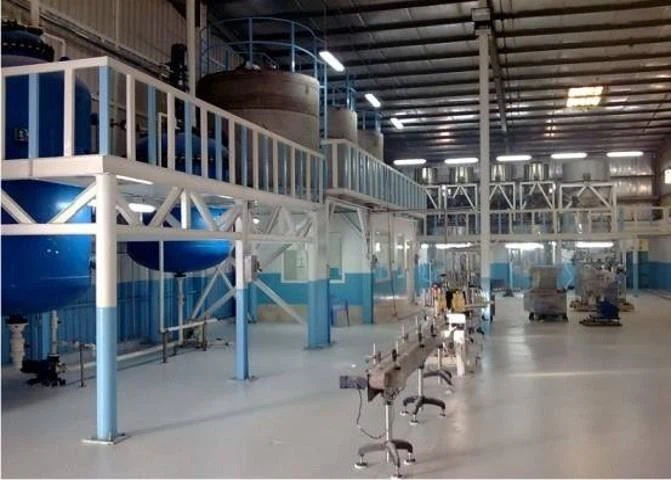
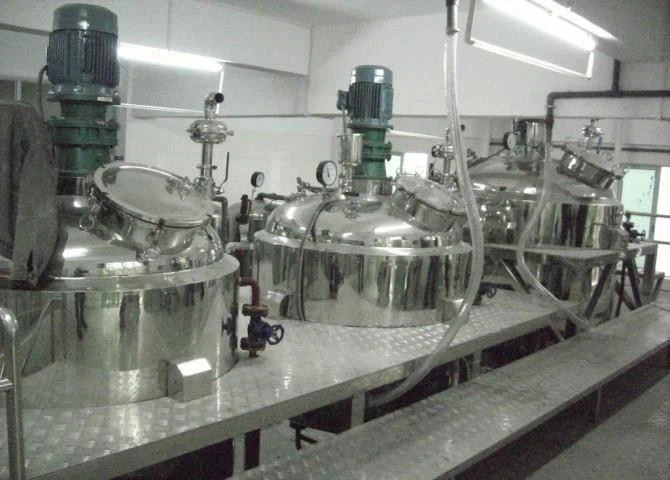
Throughout the soap-making process, the right equipment can make a significant difference in the quality and efficiency of your production. As a Soap Plant supplier, I offer a range of Soap Production Plant equipment that can help you streamline your soap-making process.
Our Liquid Detergent Production Equipment includes mixing tanks, heating systems, and filling machines that are designed to handle large volumes of soap production. These machines are made from high-quality materials and are built to last, ensuring reliable performance and consistent results.
In addition, our Toilet Soap Production Line Machinery is specifically designed for the production of toilet soap. This equipment includes soap plodders, cutters, and stampers that can produce high-quality, uniform soap bars.
Conclusion
Making soap from a Soap Plant is a rewarding and profitable venture that allows you to create high-quality, natural products. By following the steps outlined in this blog post and using the right equipment, you can produce soap that is not only effective but also environmentally friendly.
If you're interested in starting your own soap-making business or upgrading your existing production line, I encourage you to contact me for more information. I'm here to help you every step of the way, from selecting the right equipment to providing training and support. Let's work together to create the perfect soap for your customers.
References
- "The Complete Guide to Soapmaking" by Susan Miller Cavitch
- "SoapCraft: The Essential Guide to Making Handmade Soap" by Anne-Marie Faiola
- "Natural Soapmaking: Crafting Your Own Bars of Beauty" by Karen Sutton