
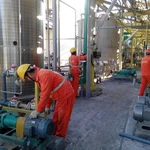
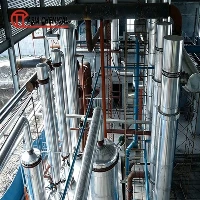
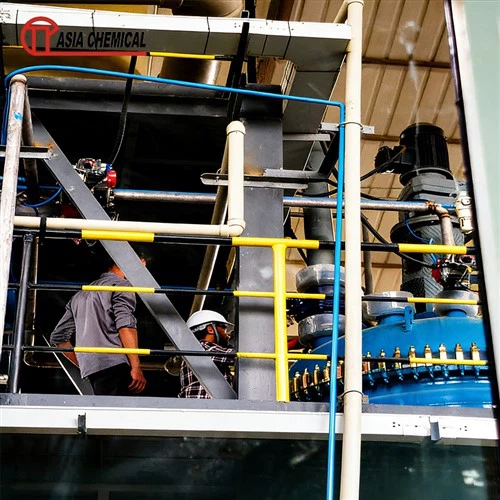
An aluminum sulfate factory line is used to produce aluminum sulfate on an industrial scale. It converts raw materials such as aluminum hydroxide and sulfuric acid into aluminum sulfate through a...
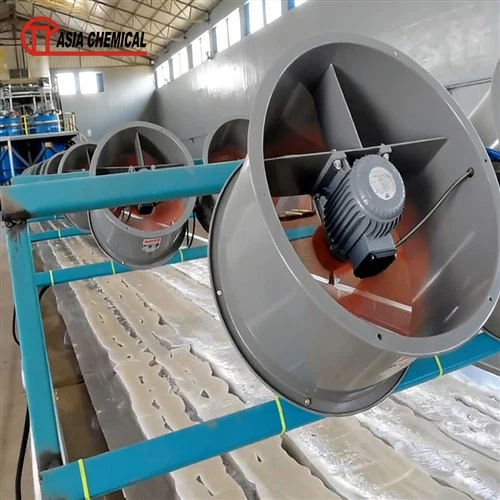
The aluminum sulfate production line is a complete industrial system that converts aluminum hydroxide and sulfuric acid into aluminum sulfate solution through a controlled chemical reaction...
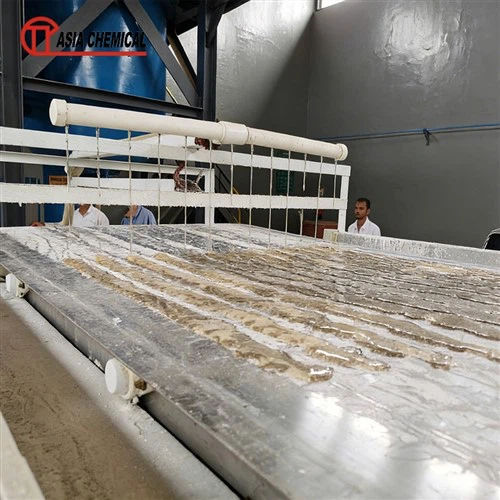
We design and supply complete Industrial Grade Aluminum Sulfate Production Plants based on continuous acidolysis technology and fully automated control systems.
The plant is...
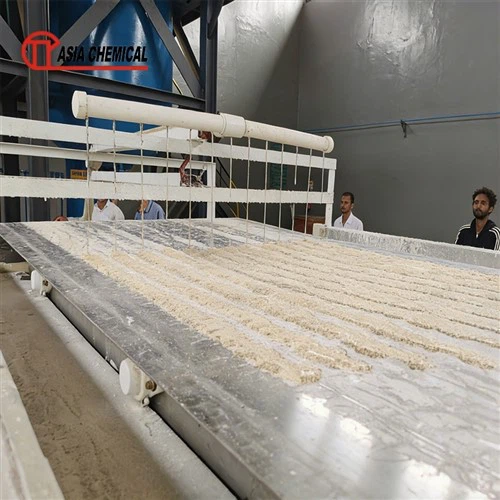
We design and supply complete Aluminum Sulfate Production Plants with advanced continuous acidolysis technology and automated control systems.
Our production line enables stable...

The HCCL series sodium hypochlorite generator is a device that uses a diaphragm free electrolysis method to electrolyze dilute brine and prepare low concentration sodium hypochlorite solution...

The HCCL series sodium hypochlorite generator is a device that uses a diaphragm free electrolysis method to electrolyze dilute brine and prepare low concentration sodium hypochlorite solution...
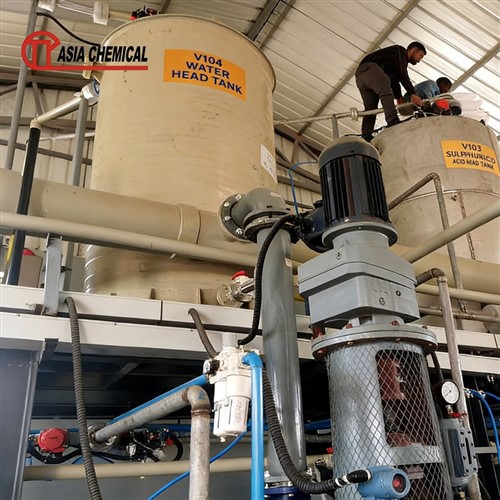
The Industrial-Grade Aluminum Sulfate Production Equipment is a fully integrated system designed for the continuous and efficient manufacturing of aluminum sulfate in large-scale industrial...

Our Complete Aluminum Sulfate Plant Solution provides a fully integrated, turnkey system for the efficient production of aluminum sulfate, widely used in water treatment, paper manufacturing, and...

Our Automatic Aluminum Sulfate Production Line is designed for high-efficiency, continuous, and stable production of aluminum sulfate for water treatment, paper making, and industrial...
(0/10)

