

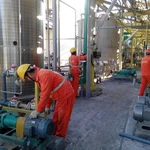
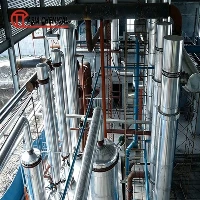

Asia Chemical Engineering Co., Ltd. is one of the most reliable manufacturers and suppliers of caustic chlorine plant in China. Please rest assured to wholesale cost-efficient caustic chlorine plant from our factory. Good service and reasonable price are available.
The caustic chlorine plant is a critical component of the chemical industry, producing two vital compounds that are used in a wide variety of applications. These compounds are caustic soda and chlorine gas, and they are essential in the production of many commodities, including paper, textiles, and petroleum products. In this article, we will discuss the benefits and features of the caustic chlorine plant and how it contributes to the chemical industry.
Benefits of Caustic Chlorine Plant:
1. Essential in Production Processes
Caustic soda and chlorine gas are essential compounds in the chemical industry. They are used in a wide variety of applications, including pulp and paper production, water treatment, textiles, and plastics. The caustic chlorine plant provides an essential service for all these industries, ensuring the continuous supply of these vital compounds.
2. Environmentally Responsible
The production of caustic soda and chlorine gas has traditionally been associated with the release of harmful pollutants into the environment. However, with advances in technology, caustic chlorine plants have become much more environmentally responsible. The use of modern technologies, such as the use of membranes instead of mercury cells, has significantly reduced the amount of waste generated by these plants.
3. Economic Advantages
The caustic chlorine plant is a significant source of jobs in the chemical industry. The production of caustic soda and chlorine gas creates opportunities for a range of professionals, from engineers and technicians to production workers and logistics experts. Furthermore, the production of these vital compounds contributes to the broader economy by providing the raw materials necessary for the production of many other products.
1. Customizable Design
Each caustic chlorine plant is unique, with the design of the plant customized to the needs of the client. A well-designed caustic chlorine plant will take into account the specific needs of the client, such as the level of production required, the available space, and the environmental regulations of the location.
2. Advanced Technologies
The use of advanced technologies, such as the use of membranes instead of mercury cells, ensures that caustic chlorine plants are environmentally responsible. These technologies have the added advantage of increasing efficiency and reducing the amount of waste produced by the plant. The use of automation and computer control also ensures that the production process is highly efficient and reliable.
3. Safety Features
Safety is a critical consideration in any chemical production facility, and caustic chlorine plants are no exception. These plants have many safety features built-in, such as emergency response plans, process control systems, and protective equipment. Furthermore, all staff receives extensive training on safety protocols to ensure that they can respond to any potential risks quickly.

Be used in a wide range of industries.
Pulp and textile manufacturing:
Caustic Chlorine is used in pulp production to bleach wood pulp and improve paper quality. In the textile industry, sodium hydroxide is used to treat fibers and enhance the strength and texture of textiles.
Detergent and Soap Manufacturing:
Sodium hydroxide is an important ingredient in making soaps and detergents. It reacts with oils and fats through saponification to produce soap. This is critical in cleaning and personal care product manufacturing.
Plastic production:
Sodium hydroxide is a key raw material in the production of plastics such as polyvinyl chloride (PVC). As a starting material for polymer compounds, chlorine participates in the formation of various plastics and is widely used in the manufacture of plastic products.
Aluminum production:
Sodium hydroxide is used in the production of aluminum to extract higher purity aluminum from alumina. This is a critical step to support the sustainable development of the aluminum industry.
Water treatment:
Chlorine is a powerful disinfectant that is widely used in water treatment to ensure the hygiene and safety of drinking water and industrial water.
Pharmaceutical Industry:
Chlorine is a key raw material in the synthesis of some drugs and supports the production of the pharmaceutical industry. Sodium hydroxide also plays a role in pharmaceuticals.
Production of fungicides:
Chlorine is the main raw material for the preparation of fungicides, which are used to maintain hygiene in agriculture and food processing.




FAQ
- What is the primary purpose of the Caustic Chlorine Plant?
- Can you explain the industrial significance of producing caustic soda and chlorine gas?
- How does the Caustic Chlorine Plant incorporate advanced technology into its processes?
- What industries benefit from the high-quality output of the Caustic Chlorine Plant?
- Can you elaborate on the efficient processes employed in the production of caustic soda and chlorine gas?
- What role does cutting-edge technology play in ensuring the plant's efficiency?
- How is the quality of output from the Caustic Chlorine Plant maintained at a high standard?
- What are the applications of caustic soda in various industries?
- In which industrial processes is chlorine gas commonly used?
- Can you provide insights into the environmental considerations in the operation of the Caustic Chlorine Plant?
- How does the plant contribute to the overall advancement of industrial capabilities?
- Are there specific safety measures implemented in the Caustic Chlorine Plant's operation?
- What are the key features that make the Caustic Chlorine Plant state-of-the-art?
- How does the plant cater to the diverse needs of different industries?
- Can you discuss any innovations or advancements incorporated into the Caustic Chlorine Plant's design?
- What role does the Caustic Chlorine Plant play in supporting sustainable industrial practices?
- Are there specific certifications or standards that the plant adheres to in its production processes?
- How does the plant adapt to changing industrial demands and technological developments?
- Can you provide examples of industries that heavily rely on the output of the Caustic Chlorine Plant?
- What are the economic and industrial benefits associated with the operation of the Caustic Chlorine Plant?
What is the primary purpose of the Caustic Chlorine Plant?
The primary purpose of the Caustic Chlorine Plant is to simultaneously produce caustic soda (sodium hydroxide) and chlorine gas, essential chemicals with diverse industrial applications.
Can you explain the industrial significance of producing caustic soda and chlorine gas?
Producing caustic soda and chlorine gas holds industrial significance as they are fundamental in various sectors. Caustic soda is used in manufacturing, water treatment, and textiles, while chlorine gas is vital for water disinfection, pharmaceuticals, and polymer production.
How does the Caustic Chlorine Plant incorporate advanced technology into its processes?
The Caustic Chlorine Plant incorporates advanced technology through modern equipment and automation. This ensures precise control over the electrolysis process, optimizing efficiency and maintaining high-quality output.
What industries benefit from the high-quality output of the Caustic Chlorine Plant?
Industries benefiting from the Caustic Chlorine Plant's output include manufacturing, water treatment, pharmaceuticals, textiles, and polymer production. These sectors rely on the plant's products for essential processes.
Can you elaborate on the efficient processes employed in the production of caustic soda and chlorine gas?
Efficient processes in the Caustic Chlorine Plant involve electrolysis of brine solution. This controlled electrochemical reaction separates sodium hydroxide and chlorine, employing state-of-the-art equipment to enhance productivity and produce high-quality chemicals.
What role does cutting-edge technology play in ensuring the plant's efficiency?
Cutting-edge technology in the Caustic Chlorine Plant ensures efficiency by enabling precise control over processes. Automation, advanced monitoring, and modern equipment enhance overall operational effectiveness.
How is the quality of output from the Caustic Chlorine Plant maintained at a high standard?
The Caustic Chlorine Plant maintains high-quality output through rigorous quality control measures at every stage. Regular testing, adherence to industry standards, and state-of-the-art instrumentation contribute to consistent quality.
What are the applications of caustic soda in various industries?
Caustic soda finds applications across industries. It is used in manufacturing for pulp and paper production, textiles, detergents, and soaps. Additionally, it plays a role in aluminum production, water treatment, and various chemical processes.
In which industrial processes is chlorine gas commonly used?
Chlorine gas is commonly used in water treatment for disinfection. It is also a key component in pharmaceutical manufacturing, polymer production (such as PVC), and the synthesis of various chemicals in the chemical industry.
Can you provide insights into the environmental considerations in the operation of the Caustic Chlorine Plant?
Environmental considerations in the Caustic Chlorine Plant's operation include waste management, energy efficiency, and adherence to regulatory standards. Efforts are made to minimize ecological impact, promote sustainability, and meet environmental compliance.
How does the plant contribute to the overall advancement of industrial capabilities?
The Caustic Chlorine Plant contributes to the advancement of industrial capabilities by providing essential chemicals, fostering innovation in manufacturing, water treatment, and diverse industries, supporting economic growth and technological progress.
Are there specific safety measures implemented in the Caustic Chlorine Plant's operation?
Safety measures in the Caustic Chlorine Plant include stringent protocols, employee training, and regular safety audits. These measures prioritize the well-being of the workforce and ensure a secure operational environment.
What are the key features that make the Caustic Chlorine Plant state-of-the-art?
Key features making the Caustic Chlorine Plant state-of-the-art include advanced automation for precise control, efficient electrolysis processes, adherence to environmental standards, and utilization of modern equipment, collectively enhancing productivity and product quality.
How does the plant cater to the diverse needs of different industries?
The plant caters to diverse industry needs by producing versatile chemicals like caustic soda and chlorine gas. Its outputs support applications in manufacturing, water treatment, pharmaceuticals, textiles, and polymer production, addressing the specific requirements of different sectors.
Can you discuss any innovations or advancements incorporated into the Caustic Chlorine Plant's design?
Innovations in the Caustic Chlorine Plant's design include optimized electrolysis processes, advanced monitoring systems, and energy-efficient technologies. Continuous improvement initiatives ensure that the plant remains at the forefront of technological advancements, contributing to overall industrial progress.
What role does the Caustic Chlorine Plant play in supporting sustainable industrial practices?
The Caustic Chlorine Plant supports sustainable industrial practices through eco-friendly initiatives, waste reduction, and adherence to environmental standards. It prioritizes resource efficiency and minimizes ecological impact, contributing to overall environmental sustainability.
Are there specific certifications or standards that the plant adheres to in its production processes?
The Caustic Chlorine Plant adheres to specific certifications and standards such as ISO (International Organization for Standardization) to ensure quality, safety, and environmental compliance. This commitment to recognized standards reinforces the reliability and trustworthiness of the plant's products.
How does the plant adapt to changing industrial demands and technological developments?
The plant adapts to changing industrial demands and technological developments by investing in research and development. Continuous improvement initiatives and flexibility in production processes allow the plant to align with evolving market needs and advancements in technology.
Can you provide examples of industries that heavily rely on the output of the Caustic Chlorine Plant?
Industries heavily relying on the Caustic Chlorine Plant's output include water treatment, manufacturing, pharmaceuticals, textiles, and polymer production. These sectors benefit from the plant's high-quality caustic soda and chlorine gas in their essential processes.
What are the economic and industrial benefits associated with the operation of the Caustic Chlorine Plant?
Economic and industrial benefits associated with the Caustic Chlorine Plant's operation include job creation, support for downstream industries, and contributions to economic growth. The plant's production of essential chemicals sustains various sectors, fostering economic development and industrial advancement.
Hot Tags: caustic chlorine plant, China, manufacturers, suppliers, factory, wholesale, price, profession, cost, sodium hydroxide production line price, caustic soda production line, wholesale caustic soda, NaOH Plant, caustic soda plant caustic soda machine caustic soda equipment ion exchange membrane, sodium hydroxide production line factory


