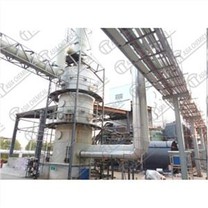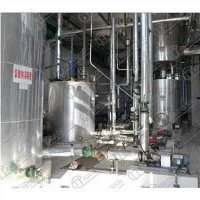


Sulfuric and phosphoric acid plants play pivotal roles in the chemical manufacturing industry, serving as vital components in the production of various essential compounds. These plants are sophisticated facilities designed to produce sulfuric acid (H2SO4) and phosphoric acid (H3PO4), which are fundamental chemicals used in diverse applications across numerous sectors.
Production Process: Sulfuric acid plants typically employ the contact process, which involves the catalytic oxidation of sulfur dioxide (SO2) to sulfur trioxide (SO3), followed by the absorption of SO3 in water to form sulfuric acid. Phosphoric acid plants, on the other hand, utilize different methods such as the wet process or thermal process to extract phosphoric acid from phosphate rock.
Applications: Both sulfuric and phosphoric acids are utilized extensively in various industries. Sulfuric acid finds application in fertilizer production, metal processing, petroleum refining, and chemical synthesis. It is a crucial component in the manufacture of phosphate fertilizers, explosives, detergents, and lead-acid batteries. Phosphoric acid is primarily used in the production of fertilizers, such as diammonium phosphate (DAP) and monoammonium phosphate (MAP). Additionally, it serves as a food additive, corrosion inhibitor, and ingredient in the production of detergents and pharmaceuticals.
Environmental Impact and Safety Measures: Despite their significant industrial importance, sulfuric and phosphoric acid plants pose environmental and safety challenges. The production processes involve the emission of sulfur dioxide, a precursor to acid rain, and the release of fluorine-containing gases in phosphoric acid production, which can have detrimental effects on the environment and human health. To mitigate these impacts, plants are equipped with advanced pollution control technologies, such as scrubbers, to remove harmful gases from emissions. Additionally, stringent safety protocols are implemented to ensure the safe handling and storage of hazardous chemicals.
Technological Advancements: Advancements in technology have revolutionized sulfuric and phosphoric acid production, leading to improved efficiency, reduced environmental footprint, and enhanced safety. Modern plants incorporate advanced automation and control systems to optimize process parameters, minimize energy consumption, and maximize yield. Furthermore, research efforts focus on developing novel catalysts and process innovations to further enhance productivity and sustainability in acid production.
Global Market Dynamics: The demand for sulfuric and phosphoric acids remains robust, driven by the burgeoning agricultural sector, industrial expansion, and increasing applications in various end-user industries. Regions with significant agricultural activities, such as North America, Asia-Pacific, and Europe, represent key markets for these acids. Additionally, emerging economies witnessing rapid industrialization and infrastructure development contribute to the growth of the sulfuric and phosphoric acid markets.
In conclusion, sulfuric and phosphoric acid plants serve as indispensable components of the chemical manufacturing landscape, supporting diverse industries and driving economic growth. As technological advancements continue to evolve, these plants are poised to play pivotal roles in meeting the global demand for essential chemicals while adhering to stringent environmental and safety standards.