


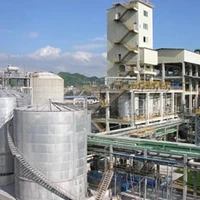
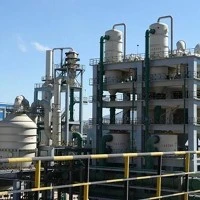
Technical specification for medium-scale sulfuric acid production combined with waste heat recovery and steam turbine power generation systems.
300 TPD Sulfuric Acid Plant Is an Integrated System
A 300 TPD sulfuric acid plant is a medium-scale industrial chemical production facility that requires coordinated design of the reaction, gas treatment, acid absorption, heat recovery and utility systems. When a steam turbine is included for electricity generation, the project becomes more than a conventional sulfuric acid production line. The process must be designed to recover usable heat from high-temperature process gases and chemical reactions, convert this heat into steam and then supply the steam to a turbine-generator system. Therefore, plant capacity, heat balance and power generation should be evaluated together during the initial engineering stage.
Raw Material Determines the Process Configuration
The first technical parameter to confirm is the source and composition of the sulfur-bearing feedstock. Sulfuric acid can be produced from elemental sulfur or from sulfur-containing gases generated by metallurgical and other industrial processes. A sulfur-burning plant has a relatively direct feed preparation route, while plants using pyrite or metallurgical off-gas require additional gas cleaning and conditioning systems. Feed composition directly affects the SO₂ concentration, gas volume, impurity load, equipment sizing and overall process configuration. Therefore, a 300 TPD capacity alone is not sufficient to define the complete plant.
Core Production Stages Breakdown
| Process Stage | Chemical / Physical Principle | Key Design & Equipment Considerations |
|---|---|---|
| 03. SO₂ Generation | S + O₂ → SO₂ (Exothermic) | Molten sulfur filtration, combustion air supply, sulfur furnace configuration, and gas composition optimization based on feedstock. |
| 04. Catalytic Conversion | 2SO₂ + O₂ → 2SO₃ (Exothermic) | Multi-bed V₂O₅ converter with inter-bed gas cooling to maximize SO₂ conversion efficiency and prevent catalyst overheating. |
| 05. SO₃ Absorption | SO₃ + H₂O → H₂SO₄ (via H₂SO₄ loop) | Absorption towers, circulation pumps, acid coolers, and high-efficiency mist eliminators to prevent acid plume formation. |
| 06. Waste Heat Recovery | Thermal Energy → High-Pressure Steam | Waste heat boilers positioned after furnace and converter stages to capture reaction heat for process power generation. |
Steam Turbine Power Generation
When electricity generation is required, the steam generated by the heat recovery system is supplied to a steam turbine connected to an electrical generator. The turbine expands the steam and converts part of its thermal and pressure energy into mechanical energy, which is then converted into electricity by the generator. The actual power output depends on steam production rate, steam pressure and temperature, turbine efficiency, exhaust pressure and the operating conditions of the entire sulfuric acid plant. Therefore, the expected electrical output should be calculated from a complete heat and steam balance rather than estimated from sulfuric acid capacity alone.
Combined Heat and Power Balance
The integration of the sulfuric acid process and steam turbine requires a detailed energy balance. Increasing heat recovery may increase steam generation, but the steam pressure and temperature must remain compatible with the turbine design. At the same time, the plant may have internal steam requirements for sulfur melting, heating, process circulation or other utilities. A suitable configuration should determine how much steam is available for power generation after satisfying essential process requirements. This prevents the turbine system from being designed around an unrealistic steam surplus.
Gas Cleaning and Acid Mist Control Affect Performance
Process gas quality is an important consideration, especially when the feedstock contains impurities. Dust, metals, moisture and other contaminants can affect catalyst performance, corrosion rates and downstream equipment. The gas treatment section may therefore include filtration, washing, drying or other purification stages depending on the feedstock.
The absorption section also requires effective acid mist separation before the treated gas is discharged. These systems should be designed according to the actual feed composition and environmental requirements of the installation site.
Main Equipment Specification Matrix (300 TPD Integrated Plant)
| Plant Island | Core Equipment Items Included |
|---|---|
| Acid Production Core | Sulfur receiving/storage, sulfur melter & leaf filters, combustion air blower, sulfur furnace, catalytic converter, interpass heat exchangers, absorption towers, acid circulation pumps, acid coolers, mist eliminators, product storage tanks. |
| Power & Thermal Island | Waste heat boiler, steam drum, superheaters, high-pressure steam piping, steam turbine, 3-phase electrical generator, steam condenser / cooling tower, feed water pumps. |
| Auxiliary Systems | Demineralized water treatment, instrument air unit, tail gas scrubber, plant control system (DCS), power synchronization & distribution switchgear. |


