

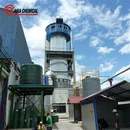
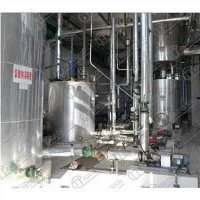


"Chlorine Allied Projects" is a term that suggests involvement in projects related to chlorine, a highly important chemical compound with numerous industrial applications. Chlorine is a versatile element extensively used across various sectors due to its disinfectant properties, as well as its role in the production of a wide range of chemicals. Here's an exploration of the industry knowledge surrounding Chlorine Allied Projects.
Chlorine finds its primary application in water treatment, where it serves as a powerful disinfectant. Municipal water treatment plants use chlorine to kill harmful bacteria, viruses, and other microorganisms present in water, ensuring the safety of drinking water supplies. Additionally, chlorine is instrumental in wastewater treatment processes, where it aids in the removal of organic contaminants before discharging treated water back into the environment.
Furthermore, Chlorine Allied Projects encompass the manufacturing of chlor-alkali products, including sodium hydroxide (caustic soda) and chlorine gas. The chlor-alkali industry is a vital component of various manufacturing sectors, providing essential raw materials for the production of paper, textiles, plastics, and pharmaceuticals. Sodium hydroxide, produced alongside chlorine in the electrolysis of salt brine, is widely utilized in industries such as pulp and paper, detergent manufacturing, and metal processing.
Another significant application of chlorine lies in the production of polyvinyl chloride (PVC), a widely used thermoplastic polymer. PVC is prized for its versatility, durability, and cost-effectiveness, making it a popular choice in construction, automotive, packaging, and medical industries. Chlorine Allied Projects often involve the manufacturing of PVC resin, which serves as the base material for a plethora of PVC-based products, including pipes, window frames, flooring, and medical devices.
Moreover, chlorine derivatives play a crucial role in the agricultural sector, where they are used in the production of pesticides, herbicides, and insecticides. These chemicals help control pests, weeds, and diseases, thereby enhancing crop yields and ensuring food security. Additionally, chlorine compounds find applications in the manufacturing of pharmaceuticals, solvents, and specialty chemicals, contributing to advancements in healthcare, consumer goods, and industrial processes.
However, while chlorine offers numerous benefits across various industries, its handling and disposal require careful consideration due to environmental and health concerns. Improper disposal of chlorine-containing waste can lead to pollution of water bodies and soil, posing risks to ecosystems and human health. Therefore, Chlorine Allied Projects often prioritize the implementation of sustainable practices, including recycling and proper waste management, to minimize environmental impacts and ensure safety.
In conclusion, Chlorine Allied Projects encompass a diverse array of initiatives related to the production, application, and management of chlorine and its derivatives. From water treatment and chemical manufacturing to agriculture and healthcare, chlorine plays a pivotal role in numerous industries, contributing to societal progress and economic development. However, the responsible utilization and management of chlorine resources remain paramount to mitigate environmental risks and safeguard human health in the long run.


