

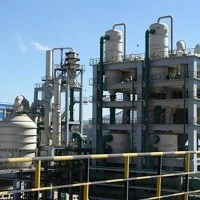

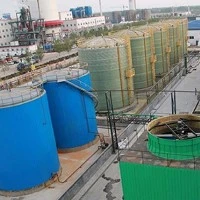
Designing a Phosphoric Acid Plant requires coordination between process chemistry, equipment capacity, corrosion control, product specifications, and environmental management. The selected production route determines raw material requirements, reaction conditions, separation methods, and utility consumption. For project owners and engineering contractors, the objective is to integrate these systems into a production line that meets the required acid quality, phosphorus recovery, operating capacity, and environmental performance.
Process Routes and Application Requirements
Phosphoric acid is primarily produced through wet-process and thermal-process technologies. For a Phosphoric Acid Plant, the appropriate route depends on the intended application, raw material availability, required purity, energy costs, and downstream processing requirements.
Wet-Process Phosphoric Acid
The wet process reacts phosphate rock with sulfuric acid. Phosphorus enters the liquid phase as phosphoric acid, while calcium sulfate forms as a solid by-product. The resulting slurry passes through filtration and washing before the acid is concentrated or transferred to subsequent processing.
This route is widely used for fertilizer production and downstream phosphate chemicals. Its performance depends on phosphate-rock composition, particle size, reaction temperature, acid concentration, gypsum crystallization, and filtration efficiency. Iron, aluminum, magnesium, fluoride, and other impurities in the feed can affect product quality and process stability.
Thermal-Process Phosphoric Acid
The thermal route involves burning elemental phosphorus to produce phosphorus oxides, hydrating the gases, and recovering the resulting acid. It is commonly associated with applications requiring higher purity, although final product quality depends on the complete process configuration and contamination controls.
Equipment selection focuses on phosphorus combustion, heat removal, gas hydration, acid absorption, and mist elimination. Compared with the wet route, the thermal process uses a different raw material pathway and generally has higher energy requirements. The choice must reflect the required product specification and the economics of the entire production system.
Within wet-process technology, dihydrate and hemihydrate configurations differ in the form of calcium sulfate produced during reaction. These differences influence crystallization conditions, filterability, acid concentration, and phosphorus losses. Representative feed analysis and process testing provide the basis for selecting a suitable configuration.
Process Flow and Engineering Design
A typical wet-process Phosphoric Acid Plant includes phosphate-rock preparation, sulfuric acid feeding, reaction and crystallization, slurry cooling, gypsum filtration, acid concentration, product storage, and environmental treatment. Supporting systems include process-water circulation, vacuum generation, cooling water, instrumentation, and off-gas scrubbing.
Typical Wet-Process Sequence
Phosphate Rock Preparation → Reaction and Crystallization → Gypsum Filtration and Washing → Acid Concentration → Product Storage
Reaction and Crystallization
The reaction section determines phosphate conversion and gypsum crystal development. Feed ratios, residence time, temperature, mixing, and slurry circulation must be coordinated to maintain stable operating conditions. Incomplete reaction or unsuitable crystal formation can increase phosphorus losses, reduce filtration performance, and limit plant throughput.
Reactor sizing should therefore reflect actual feed characteristics and the selected process technology. Reliable feeding and temperature control also help prevent fluctuations that may affect downstream separation.
Filtration and Evaporation
Gypsum filtration separates the acid liquor from the solid by-product. Filter area, cake permeability, vacuum capacity, washing stages, and filtrate collection affect phosphorus recovery, cake moisture, and residual acidity. Poor separation can reduce output even when the reaction section has sufficient capacity.
Vacuum evaporation increases acid concentration by removing water. The required duty depends on inlet concentration, target P₂O₅ content, operating pressure, steam availability, cooling conditions, and scaling tendency. Evaporator design must also account for fluoride-bearing vapor and the materials exposed to concentrated acid.
Critical Equipment Selection
Equipment must be selected according to process duty, chemical composition, solids loading, corrosion exposure, maintenance requirements, and expected operating continuity. Nominal capacity alone is not sufficient to establish whether the complete production line can meet its throughput target.
| Equipment | Key Design Considerations |
|---|---|
| Rock preparation system | Particle size, moisture, feed consistency, and dust collection |
| Reactors and slurry pumps | Residence time, mixing, temperature, abrasion, and solids handling |
| Gypsum filtration equipment | Filter area, cake permeability, washing efficiency, and vacuum demand |
| Vacuum evaporator | Heat-transfer duty, acid concentration, scaling, and corrosion resistance |
| Scrubbers and mist eliminators | Gas flow, fluoride loading, pressure drop, and outlet emission requirements |
| Storage tanks and piping | Acid concentration, temperature, contamination limits, and sealing compatibility |
Auxiliary systems must match the capacity and operating requirements of the main process. Insufficient vacuum, cooling water, steam supply, or gas-treatment capacity can become a bottleneck even when the major production equipment is adequately sized.
Materials of Construction and Corrosion Control
Phosphoric acid production exposes equipment to acidic liquids, abrasive solids, deposits, and changing temperatures. Corrosion conditions vary between reaction slurry, filtered acid, evaporator circuits, scrubber liquor, and product storage.
Material selection must consider acid concentration alongside fluoride, chloride, sulfate, temperature, flow velocity, and suspended solids. Metallic alloys, non-metallic materials, and lined construction may suit different services, but no single material is appropriate for every process section.
- Reaction and slurry handling: Assess abrasion resistance, lining compatibility, and mechanical strength.
- Filtration systems: Consider resistance to acidic liquor, gypsum abrasion, and cleaning chemicals.
- Evaporators: Evaluate corrosion, scaling, heat-transfer performance, and cleaning requirements.
- Pumps and seals: Match wetted materials and sealing arrangements to the fluid composition and solids content.
- Storage and transfer: Control contamination risks and account for inspection, drainage, and maintenance access.
Material specifications should reflect actual operating conditions and documented compatibility data. Corrosion testing, supplier recommendations, and operating experience can support engineering decisions and maintenance planning.
Asia Chemical integrates material selection and corrosion-control considerations into Phosphoric Acid Plant engineering, helping align equipment materials with process chemistry, operating conditions, and long-term maintenance requirements.
Product Quality Control and Testing
Product quality in a Phosphoric Acid Plant depends on raw materials, reaction conversion, filtration, concentration, and impurity management. P₂O₅ concentration is an important specification, but it does not independently establish suitability for fertilizer, industrial, or high-purity applications.
Key quality parameters include:
- P₂O₅ concentration: Determines acid strength and downstream processing requirements.
- Fluoride and sulfate: Affect product suitability, downstream reactions, and environmental management.
- Iron and aluminum: May influence purity, color, solubility, and subsequent chemical processing.
- Suspended solids: Can cause deposits and affect product handling or downstream equipment.
- Trace contaminants: Arsenic, cadmium, lead, chloride, and other substances may require testing according to the intended application.
Raw material inspection establishes the initial chemical profile. In-process monitoring tracks feed ratios, reactor temperature, slurry behavior, filtration performance, and acid concentration. Laboratory testing then verifies product composition using suitable validated analytical methods, which may include titration, gravimetric analysis, ICP-OES, or ICP-MS, depending on the analyte and required detection limit.
Finished-product release procedures should define sampling locations, testing frequency, acceptance limits, instrument calibration, and record retention. Fertilizer-grade and high-purity products may require different impurity limits, so specifications must reflect the applicable market and customer requirements.
Environmental Control and By-Product Management
Wet-process production can release fluoride-bearing gases, including hydrogen fluoride and silicon tetrafluoride, depending on the feed composition and operating conditions. Gas collection and scrubbing systems are therefore integral to process design. Venturi scrubbers, wet scrubbers, and suitable mist eliminators can be selected according to gas flow, contaminant loading, pressure drop, and required emission performance.
Gypsum management is another major design consideration. Cake moisture, residual acidity, and phosphorus content affect handling, transport, reuse, or disposal. Process-water systems should account for acidic streams containing phosphorus and fluoride, with collection, recycling, and treatment arrangements based on the site water balance and applicable environmental requirements.
These systems influence overall plant performance. Improved filtration can reduce phosphorus losses, effective vapor collection can support emission control, and water recycling can reduce fresh-water demand.
Asia Chemical Engineering Support for Phosphoric Acid Production Facilities
Asia Chemical provides integrated engineering services for phosphoric acid production projects, covering technical consultation, process design, equipment fabrication and procurement, and electrical and instrumentation systems. Project planning considers the selected production route, phosphate-rock composition, target capacity, product specifications, and environmental requirements for each Phosphoric Acid Plant.
From equipment selection and utility integration to installation supervision, commissioning, and operator training, Asia Chemical supports key stages of project implementation. Its services also include formulation optimization and after-sales technical support, helping align process design, equipment performance, and product quality requirements.


