Designing a new sulfuric acid production facility requires more than selecting process equipment. Process configuration, feedstock characteristics, heat recovery, corrosion control, emissions management, and plant layout must work together as an integrated system. Early engineering decisions influence operating stability, maintenance requirements, energy use, and the ability to meet product and environmental requirements.
For project owners and procurement teams, the objective of Sulfuric Acid Plant design is to establish a design basis that reflects actual production needs and site conditions.

Define the Process Route and Project Requirements
The first step in sulfuric acid plant design is to establish the feedstock, product requirements, production objectives, and operating conditions.
Elemental sulfur combustion is a common production route. Sulfur is burned to generate sulfur dioxide, which is catalytically oxidized to sulfur trioxide before absorption into circulating sulfuric acid. Other projects may use sulfur-bearing minerals or recover acid from industrial streams, requiring different feed preparation and gas-conditioning arrangements.
Key factors in process selection
- Feedstock source, composition, purity, and impurities
- Required product quality and concentration
- Production demand and expected operating schedule
- Available utilities and existing site infrastructure
- Applicable environmental and operating requirements
These routes are not interchangeable. Feed purity, moisture, impurities, and gas composition affect downstream processing, equipment requirements, and emissions performance. The design basis should also define production expectations, utility demand, site conditions, and the operating range the facility must accommodate.
Clear project requirements give process engineers, equipment suppliers, and other contractors a common reference. They also help buyers compare proposals on a consistent technical basis rather than relying on equipment prices or nominal capacity alone.
Integrate the Main Process and Supporting Systems
A sulfuric acid plant comprises connected process stages and auxiliary systems. Individual equipment cannot be evaluated in isolation because its performance depends partly on upstream and downstream operating conditions.
Sulfur preparation and combustion
Catalytic conversion and absorption are closely linked to product recovery and emissions. Converter design must account for catalyst performance, gas composition, temperature management, and heat-exchanger arrangement. Absorption performance depends on gas conditioning, acid concentration, circulation, temperature, and effective gas-liquid contact.
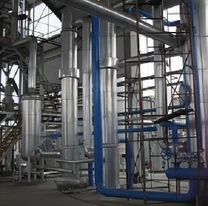
Poor coordination can increase pressure losses, restrict operating flexibility, complicate temperature control, or add load to downstream treatment systems. Piping, pumps, valves, and heat exchangers should therefore be assessed alongside major process equipment. Acid storage and transfer, cooling water, steam distribution, electrical power, instrument air, drainage, and waste handling must also be incorporated into the overall plan.
Plan Heat Recovery and Utility Integration
Combustion and catalytic oxidation release heat, creating opportunities to recover useful energy while maintaining suitable process conditions.Waste heat boilers and associated heat-transfer equipment can recover energy from hot process gas for steam production.
Heat recovery
Identify usable heat sources and evaluate suitable recovery equipment.
Utility matching
Coordinate steam generation and distribution with site demand.
Operating practicality
Consider maintenance, equipment complexity, and investment.
Practical recovery depends on temperature levels, heat-transfer limitations, materials, pressure requirements, maintenance access, and the relationship between heat supply and demand. A poorly integrated system may add complexity without delivering the expected benefit.
Steam may serve plant processes or other suitable site demands. Additional recovery options, including power generation, depend on technical feasibility and project economics. Coordinating process and utility engineering early helps establish a realistic heat balance before the configuration is finalized.
Select Materials for Corrosion Control and Long-Term Operation
Corrosion behavior varies with acid concentration, temperature, impurities, fluid velocity, and moisture. A material suitable for one section may not perform well in another. Selection should reflect the conditions encountered by gas-side equipment, circulation systems, coolers, piping, pumps, storage tanks, and absorption equipment.
Unintended water ingress can change acid concentration and create localized conditions that accelerate corrosion. Heat exchangers and equipment separating process streams require attention to integrity and leak detection. Material decisions should balance corrosion resistance, fabrication, availability, maintenance strategy, and lifecycle cost rather than initial purchase price alone.
Incorporate Emissions Control and Process Safety
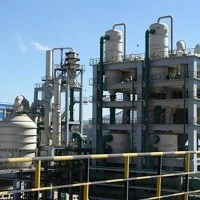
Environmental performance should be addressed during sulfuric acid plant process selection and system integration.Sulfur dioxide in process and tail gases, along with potential acid mist carryover, may require appropriate treatment. The necessary measures depend on feed conditions, gas composition, plant configuration, and applicable regulations.
Catalytic conversion and absorption influence sulfur recovery, while tail-gas treatment and mist eliminators help manage emissions. Instrumentation should provide useful process information, and protective functions should be designed according to the hazard assessment and applicable standards.
Account for sulfur handling, hot process gas, acid transfer and storage, rotating equipment, pressure-containing systems, maintenance isolation, emergency response, drainage, and containment. Integrating these provisions into the original design helps reduce late modifications and clarifies operating responsibilities.
Coordinate Layout, Automation, and Maintenance
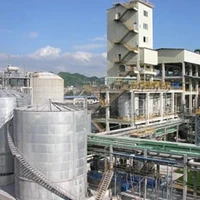
Equipment arrangement affects construction, daily operation, and future maintenance. Layout planning should accommodate pipe racks, structural supports, electrical installations, instruments, lifting access, and connections to existing infrastructure. Coordinated drawings and three-dimensional reviews can help identify conflicts before fabrication or construction.
Automation should be developed alongside process design. Instrumentation and control systems need to support monitoring, alarm management, and appropriate responses to changing conditions. Pumps, valves, heat exchangers, and other serviceable equipment should remain accessible for inspection and replacement.
For facilities connected to existing sites, tie-in locations, shutdown requirements, utility availability, and construction access should be established early. These measures can reduce installation conflicts and disruption to ongoing operations.
Establish Project Scope and Commissioning Criteria
Project owners should clarify responsibility for process design, equipment supply, detailed engineering, installation, instrumentation, commissioning, and training. The supply scope should identify major equipment, auxiliary systems, controls, documentation, and interfaces between the plant provider, owner, and other contractors.
- Define engineering responsibilities and supply boundaries.
- Coordinate process, mechanical, civil, electrical, and instrumentation interfaces.
- Plan installation checks, calibration, and control-system testing.
- Prepare commissioning procedures and operating documentation.
- Agree on performance criteria and verification methods.
Commissioning requirements should be considered during design. Acceptance criteria may cover product quality, production capability, utility consumption, process stability, and environmental performance, where applicable. Test conditions and responsibilities should be agreed before startup to avoid ambiguity during project handover.
Sulfuric Acid Plant Solutions from Asia Chemical Engineering
Asia Chemical Engineering Co., Ltd. provides process engineering and equipment solutions for sulfuric acid production and recovery projects, tailored to feedstock conditions, production targets, and site requirements.
Its project capabilities can include process engineering, equipment fabrication and procurement, heat recovery integration, acid circulation and cooling systems, gas treatment, electrical and instrumentation systems, installation supervision, commissioning, and operator training for Sulfuric Acid Plant projects, depending on the agreed scope. Coordinating these elements helps define equipment interfaces, supply responsibilities, and project requirements before procurement and implementation.