

Hey there! As a supplier for LNG plants, I've seen firsthand how cryogenic technology plays a super crucial role in these facilities. So, let's dive into what exactly cryogenic technology does in an LNG plant.
First off, what's cryogenics? Well, cryogenic technology deals with extremely low temperatures, typically below -150°C (-238°F). In the context of an LNG plant, this low - temperature magic is used to transform natural gas into its liquid state. Natural gas is mainly composed of methane, and at normal atmospheric pressure, methane turns into a liquid at around -161.5°C (-258.7°F). That's where cryogenic technology steps in.

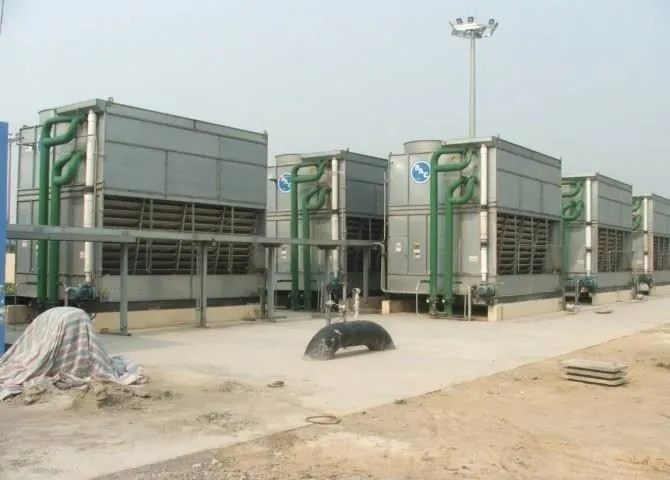
One of the primary functions of cryogenic technology in an LNG plant is liquefaction. Natural gas comes from wells, and it has to be processed before it can be liquefied. After initial processing to remove impurities like water, carbon dioxide, and sulfur compounds, the gas is cooled down in a series of heat exchangers. These heat exchangers are the heart of the cryogenic liquefaction process. They use refrigerants to absorb the heat from the natural gas, gradually reducing its temperature until it reaches the point where it liquefies.
The advantage of liquefying natural gas is huge. In its gaseous state, natural gas takes up a massive amount of space. But when it's liquefied, its volume is reduced by about 600 times. This makes it much easier and more cost - effective to store and transport. For example, large LNG carriers can transport vast amounts of liquefied natural gas across the ocean, which would be nearly impossible to do with the gas in its gaseous form.
Another important role of cryogenic technology is in storage. Once the natural gas is liquefied, it needs to be stored at these extremely low temperatures to keep it in a liquid state. Cryogenic storage tanks are designed to maintain the low temperature and prevent the LNG from boiling off. These tanks are highly insulated to minimize heat transfer from the outside environment. They are also built to withstand the low - temperature conditions and the pressure changes that can occur.
Now, let's talk about safety. Cryogenic technology also plays a key role in ensuring the safety of an LNG plant. The low - temperature environment helps to reduce the risk of combustion. Methane is highly flammable in its gaseous state, but at cryogenic temperatures, the risk of ignition is significantly lower. However, there are still safety concerns related to the handling of cryogenic fluids. Special precautions need to be taken to prevent leaks, as a sudden release of LNG can cause rapid cooling of the surrounding area, which can damage equipment and pose a danger to personnel.
In addition to liquefaction and storage, cryogenic technology is also used in the regasification process. When the LNG reaches its destination, it needs to be converted back into its gaseous form for use. This is done by heating the LNG in heat exchangers, which again rely on cryogenic technology to control the temperature change. The regasified natural gas can then be distributed through pipelines to homes, industries, and power plants.
As a supplier, I've seen different types of LNG plants, from large - scale facilities to Small Lng Plant. Each type has its own specific requirements for cryogenic technology, but the basic principles remain the same. Smaller plants may use more compact and efficient cryogenic systems, while larger plants may have more complex setups to handle higher volumes of natural gas.
The efficiency of cryogenic technology in an LNG plant is constantly being improved. New refrigerants are being developed that are more environmentally friendly and more efficient at cooling the natural gas. Advanced control systems are also being used to optimize the operation of the heat exchangers and the overall liquefaction process. This not only reduces the energy consumption of the plant but also increases its productivity.
Moreover, cryogenic technology is closely related to the overall gas processing in an LNG plant. The Gas Processing & Lng link provides more detailed information on how different processes work together. The initial gas processing steps, such as removing impurities, are essential for the smooth operation of the cryogenic liquefaction process. Impurities can cause problems in the heat exchangers and affect the quality of the LNG.
When it comes to the different components of an Lng Gas Plant, cryogenic technology is integrated into almost every part. From the liquefaction unit to the storage tanks and the regasification facilities, it's the backbone of the entire operation.
In conclusion, cryogenic technology is the cornerstone of an LNG plant. It enables the liquefaction, storage, and transportation of natural gas in a safe and efficient manner. As a supplier, I'm always excited to see the latest advancements in this field. If you're involved in the LNG industry and are looking for reliable cryogenic technology solutions for your plant, we'd love to have a chat. Whether you're building a new LNG plant or upgrading an existing one, we can provide the products and expertise you need. Contact us to start a discussion about your specific requirements and how we can help you optimize your LNG plant's performance.
References
- "Handbook of Liquefied Natural Gas" by John M. Campbell and Company
- "Cryogenic Engineering" by Richard W. Swift