

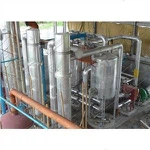
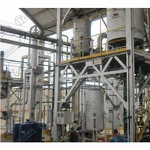
In the realm of energy infrastructure, Liquefied Natural Gas (LNG) devices play a pivotal role in facilitating the efficient storage, transportation, and utilization of natural gas. As a leading LNG device supplier, we are constantly exploring how our equipment performs in diverse environmental conditions. One such challenging environment is coastal areas with high salt content. In this blog, we will delve into the performance of LNG devices in these regions, exploring the challenges they face and the strategies we have developed to ensure optimal functionality.
Understanding the Impact of High Salt Content in Coastal Areas
Coastal areas are characterized by a unique combination of environmental factors, with high salt content being a prominent feature. Salt in the air and water can have a significant impact on the performance and longevity of LNG devices. The primary mechanism through which salt affects these devices is corrosion. When salt particles come into contact with metal surfaces, they can initiate a chemical reaction that leads to the formation of rust and other corrosion products. This not only weakens the structural integrity of the devices but also can impair their functionality.
Another aspect to consider is the presence of saltwater spray. In coastal areas, strong winds can carry saltwater droplets over long distances, depositing them on the surface of LNG devices. These droplets can penetrate into small crevices and joints, accelerating the corrosion process and potentially causing damage to internal components.
Challenges Faced by LNG Devices in High - Salt Coastal Areas
Corrosion of Structural Components
LNG devices, such as storage tanks, pipelines, and valves, are typically made of metal materials. The high salt content in coastal areas can cause rapid corrosion of these metal components. For example, the outer shell of an LNG storage tank is constantly exposed to the salty air. Over time, the corrosion can lead to thinning of the tank walls, reducing their ability to withstand the internal pressure of the stored LNG. This poses a significant safety risk and can also result in costly repairs or replacements.
Impact on Sealing Systems
Sealing systems in LNG devices are crucial for preventing leaks. However, the presence of salt can degrade the sealing materials. Gaskets and O - rings, which are commonly used to create a tight seal, can become brittle and lose their elasticity due to salt corrosion. This can lead to small leaks, which not only waste valuable LNG but also pose a safety hazard.
Electrical and Control System Malfunctions
Many LNG devices rely on electrical and control systems to operate efficiently. Salt can cause electrical short - circuits and corrosion of electrical components. For instance, salt deposits on circuit boards can disrupt the flow of electricity, leading to malfunctions in sensors, controllers, and other critical parts of the system. This can result in inaccurate readings, improper operation of the device, and even system failures.
Our Solutions as an LNG Device Supplier
Corrosion - Resistant Materials
To combat the effects of high salt content, we use corrosion - resistant materials in the manufacturing of our LNG devices. For example, we employ stainless steel alloys that have a high resistance to saltwater corrosion. These alloys contain elements such as chromium and nickel, which form a protective oxide layer on the surface of the metal, preventing the penetration of salt and other corrosive agents.
In addition to stainless steel, we also use specialized coatings on the surfaces of our devices. These coatings act as a barrier between the metal and the salt - laden environment. They can be made of polymers or ceramic materials, which provide excellent protection against corrosion and abrasion.
Enhanced Sealing Systems
We have developed advanced sealing systems that are specifically designed to withstand the harsh conditions of coastal areas. Our gaskets and O - rings are made of high - performance elastomers that are resistant to salt corrosion and degradation. These materials maintain their flexibility and sealing properties over a long period, ensuring a reliable seal and preventing leaks.
Robust Electrical and Control Systems
To protect our electrical and control systems from salt damage, we use sealed enclosures and conformal coatings. Sealed enclosures prevent saltwater and salt particles from entering the electrical components, while conformal coatings provide an additional layer of protection on the circuit boards. These measures help to ensure the reliable operation of the electrical and control systems, even in high - salt environments.
Case Studies: Our LNG Devices in Coastal Areas
We have installed numerous LNG devices in coastal areas around the world. One such example is a Factory Lng that we supplied to a coastal region with high salt content. Despite the challenging environment, our LNG device has been operating smoothly for several years. The use of corrosion - resistant materials and advanced protective coatings has effectively prevented corrosion of the structural components. The enhanced sealing systems have also ensured that there are no leaks, maintaining the safety and efficiency of the plant.
Another case is an LNG Processing Plant in a coastal area. Our electrical and control systems, protected by sealed enclosures and conformal coatings, have been able to function accurately and reliably. This has allowed the plant to operate at optimal capacity, with minimal downtime due to electrical malfunctions.
We also have experience with Mini LNG Plant installations in coastal regions. These smaller - scale plants require the same level of protection against high salt content. Our solutions have enabled these mini - plants to operate efficiently, providing a reliable source of LNG for local communities and industries.
Performance Monitoring and Maintenance
Even with the use of corrosion - resistant materials and advanced protective measures, regular monitoring and maintenance are essential for the long - term performance of LNG devices in coastal areas. We provide comprehensive monitoring systems that allow us to track the condition of the devices in real - time. These systems use sensors to detect changes in temperature, pressure, corrosion rates, and other critical parameters.
Based on the data collected from the monitoring systems, we can schedule preventive maintenance activities. This may include inspections, cleaning, and replacement of worn - out components. By proactively addressing potential issues, we can extend the lifespan of our LNG devices and ensure their continued safe and efficient operation.
Conclusion
In conclusion, while coastal areas with high salt content present significant challenges for LNG devices, our company, as an experienced LNG device supplier, has developed effective solutions to overcome these challenges. Through the use of corrosion - resistant materials, enhanced sealing systems, and robust electrical and control systems, we ensure that our LNG devices can perform reliably in these harsh environments.
Our case studies demonstrate the success of our approach, with many of our installations operating smoothly for extended periods. However, we also recognize the importance of continuous monitoring and maintenance to ensure the long - term performance of the devices.
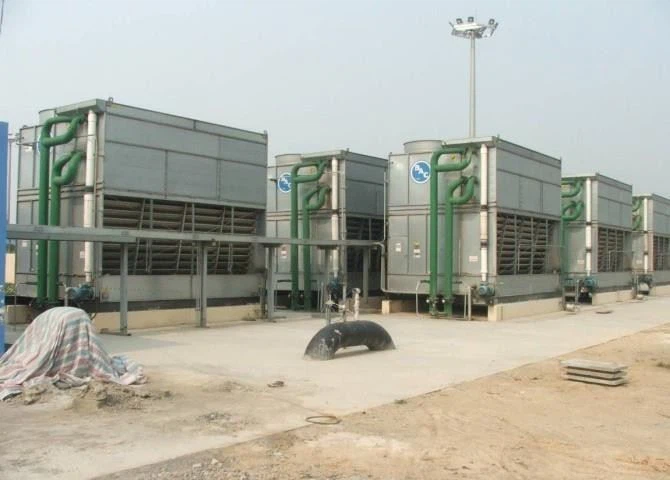

If you are in the market for LNG devices and are considering a coastal location with high salt content, we invite you to contact us for a detailed discussion. Our team of experts can provide you with customized solutions based on your specific requirements. We are committed to delivering high - quality LNG devices that meet the highest standards of safety and performance in any environment.
References
- Jones, D. A. (2018). Principles and Prevention of Corrosion. Routledge.
- Fontana, M. G. (2016). Corrosion Engineering. McGraw - Hill Education.
- Uhlig, H. H., & Revie, R. W. (2019). Corrosion and Corrosion Control: An Introduction to Corrosion Science and Engineering. Wiley.