

As a supplier to a LABSA (Linear Alkylbenzene Sulfonic Acid) factory, I've witnessed firsthand the profound impact that international trade has on the operations, growth, and overall success of such a manufacturing facility. In this blog post, I'll delve into the various ways international trade influences a LABSA factory, from raw material sourcing to market expansion and technological advancements.
Raw Material Sourcing
One of the most significant impacts of international trade on a LABSA factory is in the area of raw material sourcing. LABSA is produced through the sulfonation of linear alkylbenzene (LAB), which is derived from petroleum. Since petroleum is a globally traded commodity, LABSA factories often rely on international suppliers to meet their raw material needs.
International trade allows LABSA factories to access a wider range of raw materials at competitive prices. By sourcing from different countries, factories can take advantage of variations in supply and demand, as well as differences in production costs. For example, a factory in Asia might source LAB from the Middle East, where petroleum production is abundant and costs are relatively low. This not only helps to reduce production costs but also ensures a stable supply of raw materials, which is crucial for maintaining continuous production.
Moreover, international trade enables LABSA factories to access high - quality raw materials. Different regions may have unique refining processes or access to specific grades of LAB that can result in a higher - quality LABSA product. For instance, some European suppliers are known for their strict quality control standards, and by importing LAB from these suppliers, a LABSA factory can enhance the quality of its final product, which in turn can lead to a competitive edge in the market.
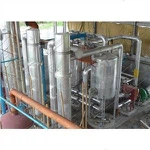
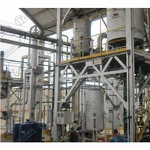
The Sulphonation Process Plant used in LABSA production also benefits from international trade. Components and technologies for these plants can be sourced from around the world, allowing factories to use the most advanced and efficient equipment available. This can improve the overall efficiency of the sulfonation process, reduce waste, and increase the yield of high - quality LABSA.
Market Expansion
International trade provides LABSA factories with the opportunity to expand their markets beyond their domestic boundaries. LABSA is a versatile chemical used in a wide range of industries, including detergents, personal care products, and industrial cleaners. By exporting their products, LABSA factories can tap into new customer bases and increase their sales volume.
For example, a LABSA factory in South America may find that the domestic market for its products is limited due to saturation or economic conditions. By entering international markets, such as Asia or Africa, where there is growing demand for detergents and other LABSA - based products, the factory can significantly increase its revenue. This expansion not only benefits the factory but also has a positive impact on the local economy, as it can lead to increased employment and investment.
In addition, international trade allows LABSA factories to diversify their customer base. Relying solely on the domestic market can be risky, as factors such as changes in consumer preferences, economic downturns, or regulatory changes can have a significant impact on sales. By selling to multiple countries, a factory can spread its risk and ensure a more stable income stream.
It's important to note that entering international markets requires careful consideration of factors such as trade regulations, cultural differences, and transportation costs. However, with the right strategies in place, the benefits of market expansion through international trade can far outweigh the challenges. The Sulfonation Production Line Sulfonation plant Sulfonation equipment used in the factory needs to be optimized to meet the specific requirements of different international markets, such as varying product specifications and quality standards.
Technological Advancements
International trade also plays a crucial role in promoting technological advancements in LABSA factories. Through trade, factories can learn about new production techniques, technologies, and best practices from other countries. This exchange of knowledge can lead to significant improvements in the efficiency and productivity of LABSA production.


For example, a LABSA factory in North America may adopt a new sulfonation process developed in Europe. This new process could involve the use of more advanced catalysts or reaction conditions that result in a higher conversion rate and better product quality. By implementing such technological advancements, the factory can reduce its production costs, improve its environmental performance, and gain a competitive advantage in the market.
Furthermore, international trade encourages competition among LABSA factories. When factories from different countries compete in the global market, they are motivated to invest in research and development to improve their products and processes. This competition drives innovation and leads to the continuous improvement of LABSA production technology.
The Sulphuric Acid Plant is an important part of LABSA production, as sulphuric acid is a key reagent in the sulfonation process. International trade allows factories to access the latest technologies for sulphuric acid production, which can improve the quality and efficiency of the overall LABSA manufacturing process.
Challenges and Risks
While international trade offers numerous benefits to LABSA factories, it also presents several challenges and risks. One of the main challenges is trade barriers, such as tariffs, quotas, and non - tariff barriers. These barriers can increase the cost of exporting or importing goods, making it more difficult for LABSA factories to compete in the international market.
For example, a LABSA factory in Asia may face high tariffs when exporting its products to a country in North America. This can significantly reduce the factory's profit margins and make its products less competitive compared to local alternatives. Additionally, non - tariff barriers, such as complex regulatory requirements or product standards, can also pose challenges for LABSA factories, as they may need to invest time and resources to comply with these requirements.
Another risk associated with international trade is currency fluctuations. Since LABSA is traded in the international market, changes in exchange rates can have a significant impact on the factory's revenue and costs. For instance, if a LABSA factory in Europe exports its products to the United States and the euro strengthens against the US dollar, the factory's products will become more expensive for US customers, which can lead to a decrease in sales.
Moreover, political instability and trade disputes between countries can disrupt the supply chain and market access for LABSA factories. For example, a trade war between two major economies can lead to increased trade restrictions and uncertainty, which can make it difficult for factories to plan their production and marketing strategies.
Conclusion
International trade has a profound and multi - faceted impact on LABSA factories. It offers significant opportunities for raw material sourcing, market expansion, and technological advancements, but also presents challenges and risks that need to be carefully managed. As a supplier to a LABSA factory, I understand the importance of international trade in the success of these manufacturing facilities.
If you are in the market for high - quality LABSA products or are looking to upgrade your Sulphonation Process Plant, Sulfonation Production Line Sulfonation plant Sulfonation equipment, or Sulphuric Acid Plant, I encourage you to reach out for a procurement discussion. We can work together to find the best solutions that meet your specific needs and help you succeed in the competitive global market.
References
- "International Trade and the Chemical Industry: A Global Perspective" - Journal of Chemical Economics
- "Technological Innovations in LABSA Production" - Chemical Engineering Review
- "The Impact of Trade Barriers on Chemical Exports" - International Trade Journal