

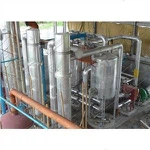
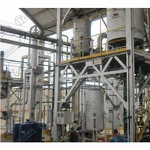
Hey there! As a supplier for Soap Plants, I often get asked about the ideal humidity level for these plants. In this blog, I'm going to dive deep into this topic, share some real - world experiences, and explain why getting the humidity right is crucial for soap production.
Let's start by understanding why humidity matters in a soap plant. Soap production involves a series of chemical reactions and physical processes. Humidity can significantly affect these processes, from the mixing of raw materials to the final curing of the soap.
When it comes to the raw materials, most of the ingredients used in soap - making, like fats, oils, and alkalis, are sensitive to moisture. For example, if the humidity is too high, the fats and oils can absorb moisture from the air. This can lead to changes in their chemical properties and make the saponification process (the chemical reaction that turns fats and oils into soap) less efficient. On the other hand, if the humidity is too low, some of the powdered ingredients can become too dry and may not mix properly with the liquid components.
Now, let's talk about the ideal humidity range. Generally, a relative humidity (RH) of 40% - 60% is considered ideal for a soap plant. At this level, the raw materials can maintain their proper chemical and physical states. The saponification process can occur smoothly, ensuring that the soap has the right texture, hardness, and cleansing properties.
During the mixing and blending phase of soap production, the 40% - 60% humidity level helps the ingredients to combine evenly. The molecules can move freely and react with each other without being affected by excessive moisture or dryness. It's like creating the perfect environment for a chemical party where all the guests (ingredients) can interact just right.
When it comes to the curing process, which is when the soap hardens and develops its final properties, maintaining the right humidity is also key. A humidity level within the 40% - 60% range allows the soap to lose moisture gradually. If the humidity is too high, the soap may take longer to cure and can even develop a soft, mushy texture. Conversely, if the humidity is too low, the soap can dry out too quickly, leading to cracks and a less - than - perfect appearance.
In my experience as a supplier, I've seen firsthand how the wrong humidity can mess up the entire production process. One of our clients had a soap plant in a region with high humidity. They were having issues with inconsistent soap quality, with some bars being too soft and others having an odd texture. After analyzing their production environment, we found that the humidity was constantly above 70%. By installing a proper humidification and dehumidification system to bring the humidity down to the ideal range, their soap quality improved significantly.
Now, I also want to mention that different types of soap production may have slightly different humidity requirements. For example, when producing liquid detergents, the focus is a bit different. Liquid detergents are more about maintaining the stability of the liquid formulation. The machinery used in Liquid Detergent Production Equipment needs to operate in an environment where the humidity won't cause corrosion or affect the chemical balance of the detergent. A humidity level around 50% - 60% is usually good for this type of production.
For toilet soap production, which often involves more complex shaping and drying stages, the machinery in the Toilet Soap Production Line Machinery works best in the 40% - 60% humidity range we mentioned earlier. The soap bars need to be dried and cured properly, and the right humidity ensures that they come out looking and feeling great.
If you're in the business of large - scale liquid detergent production, then the Liquid Detergent Production Line also requires careful humidity control. A stable humidity environment helps in maintaining the quality and consistency of the liquid detergent output.
So, how can you control the humidity in your soap plant? There are several ways. One of the most common methods is to use humidifiers and dehumidifiers. Humidifiers add moisture to the air when it's too dry, while dehumidifiers remove excess moisture when the humidity is too high. You can also insulate your production area to prevent outside humidity from affecting the internal environment. Additionally, proper ventilation is essential. It helps to remove any moisture - laden air and bring in fresh, dry air.


In conclusion, if you're running a soap plant, whether it's for toilet soap or liquid detergent production, getting the humidity right is crucial. It can make a huge difference in the quality of your products, the efficiency of your production process, and ultimately, your bottom line.
If you're interested in improving your soap plant's operations, whether it's related to humidity control or upgrading your production equipment, I'd love to have a chat. We can discuss how to optimize your production environment and get the best results for your business. Don't hesitate to reach out and start a conversation about making your soap plant even better.
References
- "Soap and Detergent Manufacturing Handbook" by Davidsohn and Milwidsky
- Various industry reports on soap and detergent production processes