

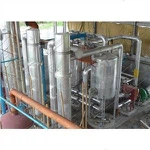
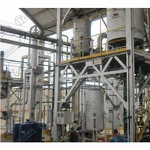
As a supplier of LNG machinery, I've witnessed firsthand the critical role that proper transportation plays in the LNG industry. The transportation requirements for LNG machinery are multifaceted, encompassing everything from the design and construction of the machinery to the logistics of moving it from the manufacturing facility to its final destination. In this blog post, I'll delve into the key transportation requirements for LNG machinery, providing insights based on my years of experience in the field.
Design and Construction Considerations
The design and construction of LNG machinery are fundamental to its successful transportation. LNG machinery is often large, heavy, and delicate, requiring careful planning to ensure it can withstand the rigors of transportation. Here are some key design and construction considerations:
Size and Weight
LNG machinery can be massive, with some components weighing hundreds of tons. The size and weight of the machinery determine the mode of transportation and the equipment needed to move it. For instance, large and heavy components may require specialized heavy-haul trucks, barges, or even ships. Designers must consider the maximum dimensions and weight limits of transportation routes and vehicles to ensure the machinery can be transported safely.


Modular Design
Modular design is a popular approach in LNG machinery construction, allowing components to be built in smaller, more manageable sections. This not only simplifies the manufacturing process but also makes transportation easier. Modules can be transported separately and then assembled at the installation site, reducing the need for large, specialized transportation equipment.
Reinforcement and Protection
LNG machinery must be designed to withstand the vibrations, shocks, and impacts associated with transportation. Reinforcement structures, such as frames and supports, are used to strengthen the machinery and prevent damage during transit. Additionally, protective coatings and packaging materials are applied to shield the machinery from environmental factors, such as moisture, dust, and corrosion.
Transportation Modes
The choice of transportation mode for LNG machinery depends on several factors, including the size, weight, and destination of the machinery. Here are the most common transportation modes used in the LNG industry:
Road Transportation
Road transportation is suitable for smaller LNG machinery components and modules that can be transported on standard trucks. However, for larger and heavier components, specialized heavy-haul trucks may be required. These trucks are equipped with multiple axles and hydraulic systems to distribute the weight evenly and ensure stability during transportation. Road transportation is often used for short to medium distances and can provide direct access to the installation site.
Rail Transportation
Rail transportation is an efficient option for transporting large quantities of LNG machinery over long distances. Railcars can carry heavy loads and are less affected by traffic congestion compared to road transportation. However, rail transportation may require additional handling and transfer operations at rail yards, which can increase the risk of damage to the machinery.
Sea Transportation
Sea transportation is the preferred mode for transporting large LNG machinery components and modules over long distances, especially when the destination is overseas. Container ships, bulk carriers, and specialized heavy-lift vessels are used to transport LNG machinery across the ocean. Sea transportation offers the advantage of being able to carry large and heavy loads, but it also requires careful planning and coordination to ensure the machinery is loaded, secured, and unloaded safely.
Barge Transportation
Barge transportation is commonly used for transporting LNG machinery along rivers and inland waterways. Barges can carry heavy loads and are well-suited for transporting large, oversized components. Barge transportation is often more cost-effective than other modes of transportation, especially for inland destinations.
Logistics and Planning
Effective logistics and planning are essential for the successful transportation of LNG machinery. Here are some key aspects of logistics and planning:
Route Planning
Route planning involves selecting the most suitable transportation routes based on the size, weight, and destination of the machinery. Factors such as road conditions, bridge clearances, and traffic regulations must be considered to ensure the safe and efficient transportation of the machinery. In some cases, special permits may be required to transport oversized or overweight loads on certain routes.
Loading and Unloading
Proper loading and unloading procedures are crucial to prevent damage to the LNG machinery. Specialized equipment, such as cranes and forklifts, are used to load and unload the machinery from transportation vehicles. Loading and unloading operations must be carried out by trained personnel who follow strict safety protocols to ensure the safety of the machinery and the workers.
Customs and Documentation
When transporting LNG machinery across international borders, customs clearance and documentation are required. This includes obtaining the necessary permits, licenses, and certificates, as well as completing customs declarations and paying any applicable duties and taxes. It is important to work with experienced customs brokers and freight forwarders to ensure compliance with all customs regulations.
Insurance
Insurance is an important consideration when transporting LNG machinery. The machinery is valuable and vulnerable to damage during transportation, so it is essential to have adequate insurance coverage to protect against potential losses. Insurance policies should cover all aspects of transportation, including loading, unloading, transit, and storage.
Safety and Regulatory Requirements
The transportation of LNG machinery is subject to strict safety and regulatory requirements to ensure the protection of human life, property, and the environment. Here are some key safety and regulatory requirements:
Safety Standards
LNG machinery must comply with international safety standards, such as those set by the International Maritime Organization (IMO) and the International Electrotechnical Commission (IEC). These standards cover various aspects of the machinery, including design, construction, installation, and operation, to ensure its safe use and transportation.
Hazardous Materials Regulations
LNG is a hazardous material, and the transportation of LNG machinery must comply with hazardous materials regulations. These regulations govern the handling, storage, and transportation of hazardous materials, including LNG, to prevent accidents and protect the environment.
Environmental Regulations
The transportation of LNG machinery must also comply with environmental regulations to minimize its impact on the environment. This includes reducing emissions, preventing spills, and protecting natural habitats. LNG machinery manufacturers and transportation companies are increasingly adopting sustainable practices to meet these environmental requirements.
Conclusion
The transportation requirements for LNG machinery are complex and multifaceted, requiring careful planning, coordination, and compliance with safety and regulatory standards. As a supplier of LNG machinery, we understand the importance of these requirements and work closely with our customers to ensure the safe and efficient transportation of our products. Whether it's designing modular components for easier transportation, selecting the most suitable transportation mode, or managing the logistics and planning, we are committed to providing our customers with the highest level of service and support.
If you're in the market for LNG machinery and have questions about transportation requirements or need assistance with the transportation process, please don't hesitate to [initiate a conversation with us]. We're here to help you navigate the complexities of LNG machinery transportation and ensure a successful project.
References
- International Maritime Organization (IMO). (Year). International Maritime Dangerous Goods (IMDG) Code.
- International Electrotechnical Commission (IEC). (Year). Electrical equipment for LNG installations - General requirements.
- [Other relevant industry standards and regulations]