

Hey there! As a supplier of Na2SiO4, also known as sodium orthosilicate, I often get asked a bunch of questions about this product. One question that pops up quite a bit is, "Is Na2SiO4 biodegradable?" Let's dig into this topic and find out what's what.
First off, let's understand what biodegradability means. Biodegradation is the process by which organic substances are broken down into simpler substances by living organisms like bacteria, fungi, and other microorganisms. These organisms use the substances as a source of energy and nutrients, turning them into things like water, carbon dioxide, and biomass.
Now, Na2SiO4 is an inorganic compound. Inorganic compounds are generally made up of elements other than carbon and hydrogen in complex arrangements that don't form the long - chain organic molecules we typically associate with living things. Unlike organic compounds, inorganic compounds usually don't serve as a direct food source for most microorganisms.
When it comes to Na2SiO4 specifically, it doesn't have the chemical structure that microorganisms can easily break down. It's composed of sodium (Na), silicon (Si), and oxygen (O). Microorganisms don't have the enzymes necessary to break the chemical bonds in Na2SiO4 and use it as an energy source. So, in a nutshell, Na2SiO4 is not biodegradable in the traditional sense.
But why is this important? Well, in today's world, there's a big push towards using environmentally - friendly products. Biodegradable products are seen as a better option because they don't accumulate in the environment over time. They break down naturally, reducing the amount of waste and pollution. Since Na2SiO4 isn't biodegradable, it's crucial for us to understand how it behaves in the environment and how we can use it responsibly.
One of the key areas where Na2SiO4 is used is in industrial applications. It has a wide range of uses, from being a component in detergents to being used in the manufacturing of paper, textiles, and even in water treatment. In detergents, it helps to soften water and improve the cleaning efficiency. In water treatment, it can be used to remove heavy metals and other impurities.
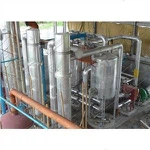
If you're interested in how Na2SiO4 is made, you can check out the Sodium Silicate Manufacturing Process. This link gives you an in - depth look at the steps involved in producing sodium silicate, which includes Na2SiO4. It's a fascinating process that involves heating silica sand with sodium carbonate at high temperatures.
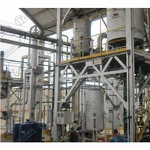
Now, let's talk about the different forms of Na2SiO4. There are solid and liquid forms, each with its own set of applications. The solid form is often easier to store and transport, while the liquid form is more convenient for some industrial processes where it can be easily mixed with other substances. You can learn more about the solid form at Sodium Silicate Product Line Solid. And if you're interested in the liquid form, the Liquid Sodium Silicate Plant Line link will give you all the details.
Even though Na2SiO4 isn't biodegradable, it doesn't mean it's bad for the environment. When used correctly, it can be a valuable tool in many industries. For example, in water treatment, it can help to clean up polluted water by removing harmful substances. And in detergents, it can reduce the amount of other potentially harmful chemicals needed for cleaning.


However, we do need to be careful about its disposal. Since it doesn't break down naturally, improper disposal can lead to its accumulation in the environment. This is why it's important to follow proper waste management procedures when dealing with Na2SiO4. Industries that use Na2SiO4 should have systems in place to ensure that it's disposed of safely and in accordance with environmental regulations.
As a supplier of Na2SiO4, I'm committed to providing high - quality products and also to educating my customers about the proper use and disposal of these products. I understand that the non - biodegradable nature of Na2SiO4 can be a concern for some people, but I believe that with the right knowledge and practices, we can use it in a way that minimizes its impact on the environment.
If you're in the market for Na2SiO4, whether it's for your industrial processes or other applications, I'd love to talk to you. I can provide you with the right product based on your specific needs, and I can also offer advice on how to use it safely and responsibly.
In conclusion, Na2SiO4 is not biodegradable, but that doesn't mean it can't be used in an environmentally - conscious way. By understanding its properties and following proper usage and disposal procedures, we can make the most of this useful compound while still protecting our planet.
If you're interested in discussing your Na2SiO4 requirements, feel free to reach out. I'm here to help you find the best solutions for your business.
References
- General knowledge of inorganic chemistry and industrial applications of sodium silicate.
- Information from industrial handbooks on the use and properties of Na2SiO4.