

As a dedicated supplier of a Na₂CO₃ plant, I understand the paramount importance of quality control systems in ensuring the production of high - grade sodium carbonate. In this blog, I will delve into the various quality control systems implemented in a Na₂CO₃ plant, highlighting their significance and how they contribute to the overall success of the production process.
Raw Material Inspection
The first line of defense in quality control for a Na₂CO₃ plant starts with the inspection of raw materials. Sodium carbonate can be produced through different methods such as the Solvay process, the Hou's process, or by mining trona ore. Regardless of the production method, the quality of the raw materials directly impacts the final product.
For instance, in the Solvay process, the main raw materials are salt (NaCl), limestone (CaCO₃), and ammonia (NH₃). Before these materials are introduced into the production system, they undergo a series of tests. Salt is analyzed for its purity, moisture content, and the presence of impurities such as calcium, magnesium, and sulfate ions. High levels of these impurities can lead to scaling in the equipment, reduce the efficiency of the reaction, and ultimately affect the quality of the sodium carbonate produced.
Limestone is also carefully examined. Its calcium carbonate content is determined, as well as the amount of other minerals present. Impurities in limestone can cause problems during the calcination process, where limestone is heated to produce calcium oxide (CaO) and carbon dioxide (CO₂). If the limestone contains a high level of silica, for example, it can form hard - to - remove deposits in the kiln.
Ammonia, which is used as a catalyst in the Solvay process, is checked for its concentration and purity. Contaminants in ammonia can interfere with the chemical reactions and lead to the formation of unwanted by - products. By ensuring the quality of these raw materials, we can lay a solid foundation for the production of high - quality sodium carbonate. You can learn more about the machinery involved in the soda ash production process at Soda Ash Production Process Machinery.
In - Process Quality Monitoring
Once the raw materials enter the production process, continuous in - process quality monitoring is essential. This involves regularly sampling and analyzing the intermediate products at various stages of the production line.
In the Solvay process, for example, the reaction between sodium chloride, ammonia, and carbon dioxide produces sodium bicarbonate (NaHCO₃) as an intermediate product. Samples of the sodium bicarbonate slurry are taken at regular intervals to measure its particle size distribution, purity, and moisture content. The particle size is crucial because it affects the filtration and drying processes. If the particles are too small, they can cause problems during filtration, leading to longer filtration times and lower yields.
The purity of the sodium bicarbonate is also monitored. Any impurities present in the sodium bicarbonate will be carried over to the final sodium carbonate product. By detecting and addressing impurities early in the process, we can take corrective actions such as adjusting the reaction conditions or purifying the intermediate product.
After the sodium bicarbonate is calcined to produce sodium carbonate, the quality of the calcined product is further evaluated. The density, particle size, and chemical composition of the sodium carbonate are measured. The density of sodium carbonate can vary depending on the production process and the intended application. For example, dense soda ash has a higher density and is often used in glass manufacturing, while light soda ash is used in applications such as detergents.
In - process quality monitoring also includes monitoring the operating conditions of the production equipment. Parameters such as temperature, pressure, and flow rate are continuously monitored. Deviations from the optimal operating conditions can have a significant impact on the quality of the product. For example, if the temperature in the calcination kiln is too high or too low, it can affect the crystal structure and purity of the sodium carbonate.
Product Testing and Certification
Once the sodium carbonate is produced, it undergoes a comprehensive series of product testing before it is released to the market. These tests are designed to ensure that the product meets the strict quality standards set by the industry and the specific requirements of the customers.
Chemical analysis is one of the most important tests. The sodium carbonate content is accurately determined, along with the levels of impurities such as sodium chloride, sodium sulfate, and iron. The purity of the sodium carbonate is a key factor in determining its quality and suitability for different applications. For example, in the food industry, high - purity sodium carbonate is required, while in some industrial applications, a slightly lower purity may be acceptable.
Physical properties of the sodium carbonate are also tested. This includes measuring the bulk density, particle size distribution, and moisture content. The bulk density affects the handling and storage of the product, while the particle size distribution can impact its solubility and reactivity.
In addition to internal testing, our products are often sent to independent third - party laboratories for certification. These certifications provide an additional layer of assurance to our customers that our sodium carbonate meets the highest quality standards. By obtaining certifications such as ISO 9001 for quality management systems, we demonstrate our commitment to producing high - quality products.
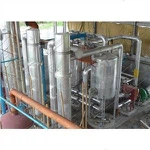
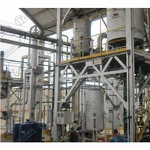
We operate a state - of - the - art Soda Ash Production Plant that is equipped with the latest technology and machinery to ensure the consistent production of high - quality sodium carbonate. Our Soda Ash Processing Plant is designed to optimize the production process and minimize the environmental impact.
Importance of Quality Control Systems
Implementing effective quality control systems in a Na₂CO₃ plant is not only important for producing high - quality products but also for the long - term success of the business. High - quality sodium carbonate can command a higher price in the market, leading to increased profitability. It also helps to build a good reputation for the company, which can attract more customers and business opportunities.
Quality control systems also contribute to the safety and reliability of the production process. By ensuring the quality of the raw materials and monitoring the in - process conditions, we can prevent equipment failures and production disruptions. This reduces the risk of accidents and downtime, which can be costly for the company.
Moreover, in an increasingly competitive global market, customers are becoming more demanding in terms of product quality. By meeting or exceeding their expectations, we can gain a competitive edge over other suppliers.


Conclusion
In conclusion, quality control systems in a Na₂CO₃ plant are a complex and multi - faceted set of processes that cover every stage of the production, from raw material inspection to product testing and certification. As a supplier of a Na₂CO₃ plant, we are committed to implementing the highest standards of quality control to ensure the production of high - quality sodium carbonate.
If you are interested in purchasing sodium carbonate or learning more about our products and quality control systems, we encourage you to contact us for a detailed discussion. We are ready to work with you to meet your specific requirements and provide you with the best - quality sodium carbonate products.
References
- Green, D. W., & Perry, R. H. (2007). Perry's Chemical Engineers' Handbook. McGraw - Hill.
- Kirk - Othmer Encyclopedia of Chemical Technology. John Wiley & Sons.
- Solvay, E. (1861). British Patent No. 3,338: Improvements in the manufacture of carbonate of soda.