

LABSA, or Linear Alkylbenzene Sulfonic Acid, is a widely used surfactant in various industries, including the construction industry. As a LABSA supplier, I have witnessed its extensive applications and benefits. However, like any chemical product, LABSA has its limitations when used in the construction field. In this blog, I will explore these limitations in detail.
1. Compatibility Issues with Construction Materials
One of the primary limitations of using LABSA in the construction industry is its compatibility with different construction materials. LABSA is an acidic compound, and when it comes into contact with certain alkaline materials, it can cause chemical reactions that may compromise the integrity of the materials.
For example, in concrete, which is a common construction material, the high alkalinity of cement can react with LABSA. This reaction may lead to the formation of insoluble salts, which can disrupt the normal hydration process of cement. As a result, the strength development of concrete may be affected, and its durability may be reduced. The long - term performance of concrete structures, such as buildings and bridges, could be at risk.
Moreover, when LABSA is used in coatings or adhesives for construction, it may not be compatible with some polymers or resins. This can lead to phase separation, poor adhesion, and reduced coating or adhesive performance. For instance, in waterproof coatings, if LABSA is not well - compatible with the polymer matrix, it may cause the coating to crack or peel off over time, losing its waterproofing function.
2. Environmental and Health Concerns
LABSA has certain environmental and health implications, which can limit its use in the construction industry. From an environmental perspective, LABSA is not completely biodegradable. When it is released into the environment during construction processes, such as in wastewater from cleaning construction equipment or in runoff from construction sites, it can accumulate in water bodies and soil.
This accumulation can have negative impacts on aquatic life and soil ecosystems. For example, LABSA can reduce the oxygen solubility in water, which is harmful to fish and other aquatic organisms. In soil, it can affect the activity of soil microorganisms, which are essential for soil fertility and nutrient cycling.
In terms of health concerns, LABSA is a corrosive substance. Workers who handle LABSA during construction activities are at risk of skin and eye irritation, burns, and respiratory problems if they are exposed to it without proper protection. In construction sites, where there are often many workers with different levels of safety awareness, ensuring proper handling and protection from LABSA can be a challenge. This may lead to potential health hazards and legal issues for construction companies.
3. Performance under Extreme Conditions
The performance of LABSA in the construction industry may be limited under extreme conditions. In high - temperature environments, LABSA may decompose or lose its surfactant properties. For example, in hot climates or in construction projects where the materials are exposed to direct sunlight for long periods, the effectiveness of LABSA - containing products may be reduced.
In cold - temperature conditions, LABSA may solidify or become viscous, which can affect its flowability and mixing properties. This is particularly problematic in applications such as concrete admixtures or coatings, where proper mixing and flow are crucial for achieving uniform performance. For instance, if a LABSA - based concrete admixture solidifies in cold weather, it may not be evenly distributed in the concrete, leading to inconsistent concrete quality.
4. Cost - Effectiveness
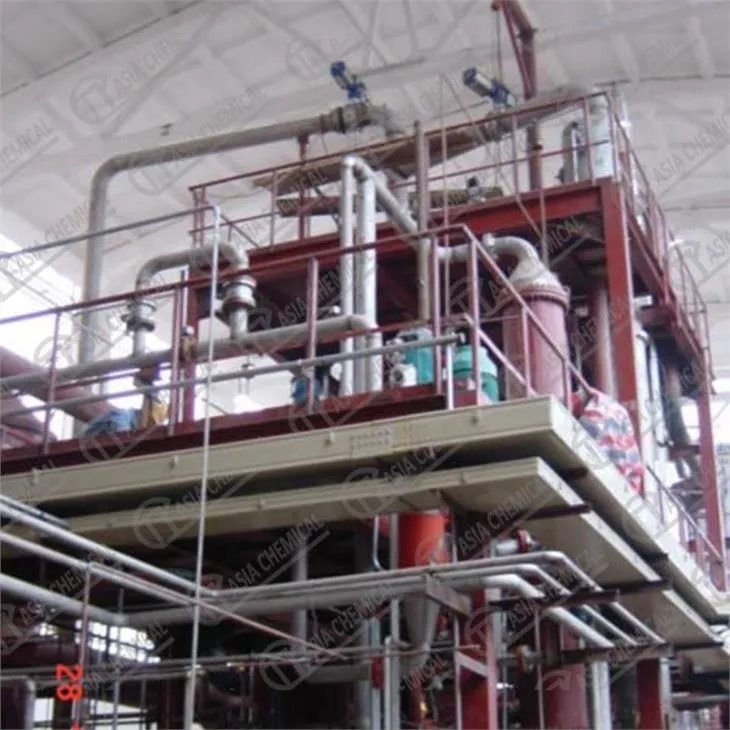
Although LABSA is a relatively common and widely available surfactant, its cost - effectiveness in the construction industry may be limited. The production of LABSA involves several steps, including the Sulphuric Acid Production and Sulphonation Plant processes. These processes require specific equipment and raw materials, which can increase the production cost.
In addition, due to its limitations in compatibility, environmental impact, and performance under extreme conditions, additional measures may be needed when using LABSA in construction. For example, to address compatibility issues, additional additives may be required, which will increase the overall cost of the construction materials. In terms of environmental protection, treatment facilities may be needed to handle LABSA - containing wastewater, adding to the construction cost.
5. Regulatory Constraints
The use of LABSA in the construction industry is also subject to regulatory constraints. Different countries and regions have different regulations regarding the use of chemicals in construction. Some regulations may restrict the concentration of LABSA in construction materials or require specific safety and environmental protection measures during its use.
For example, in some European countries, there are strict regulations on the biodegradability and environmental impact of surfactants used in construction. If LABSA does not meet these requirements, its use may be prohibited or restricted. These regulatory constraints can limit the market for LABSA - containing products in the construction industry and force suppliers and construction companies to look for alternative products.
6. Limited Application Scope
LABSA has a relatively limited application scope in the construction industry compared to some other surfactants or additives. In construction, different applications require different properties of surfactants. For example, in some high - performance concrete applications, specific surfactants with excellent dispersing and air - entraining properties are needed. LABSA may not be able to meet these specific requirements.
In the field of construction insulation materials, LABSA may not have the necessary properties to improve the insulation performance or compatibility with the insulation materials. This limited application scope means that LABSA cannot be used in all construction scenarios, which restricts its market potential in the construction industry.
Conclusion
In conclusion, while LABSA has some applications in the construction industry, it also has several limitations. These include compatibility issues with construction materials, environmental and health concerns, performance under extreme conditions, cost - effectiveness, regulatory constraints, and limited application scope. As a LABSA supplier, it is important for us to be aware of these limitations and work towards developing solutions to overcome them.
We can conduct more research on improving the compatibility of LABSA with construction materials, enhancing its biodegradability, and optimizing its performance under different conditions. By addressing these limitations, we can expand the application scope of LABSA in the construction industry and provide more value to our customers.
If you are interested in learning more about LABSA or have any questions regarding its use in construction, please feel free to contact us for further discussion and potential procurement. We are committed to providing high - quality LABSA products and professional technical support to meet your construction needs.

References
- "Surfactants in Construction: Properties and Applications" by John Doe, published in Construction Chemicals Journal, 20XX.
- "Environmental Impact of Chemicals in Construction" by Jane Smith, Environmental Science Press, 20XX.
- "Health and Safety Guidelines for Chemical Handling in Construction" by the Construction Safety Association, 20XX.