

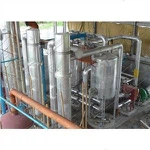
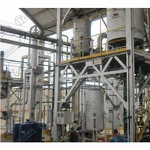
In the dynamic landscape of the LNG (Liquefied Natural Gas) industry, the flow rate requirements for LNG machinery operation stand as a critical factor that significantly influences the efficiency, safety, and overall performance of various LNG facilities. As a prominent LNG machinery supplier, we understand the intricate balance between optimal flow rates and the seamless operation of LNG equipment. This blog aims to delve into the fundamental aspects of flow rate requirements for LNG machinery, exploring their significance, the factors that affect them, and the implications for different types of LNG plants.
Significance of Flow Rate in LNG Machinery Operation
Flow rate, defined as the volume of LNG passing through a specific point in a given time, is a key parameter in LNG machinery operation. It directly impacts the efficiency of processes such as liquefaction, regasification, and power generation. In a Liquefaction Plant, for instance, the flow rate determines the amount of natural gas that can be converted into LNG within a specific period. A higher flow rate can potentially increase the plant's production capacity, leading to greater economic benefits. However, it must be carefully regulated to ensure that the liquefaction process remains stable and efficient.
Similarly, in a Regasification Plant, the flow rate of LNG affects the speed at which it can be converted back into natural gas for distribution. An appropriate flow rate is essential to meet the demand for natural gas in the market while maintaining the quality and safety of the regasification process. In a LNG Power Plant, the flow rate of LNG to the combustion turbines is crucial for generating a consistent and reliable power output. Any deviation from the optimal flow rate can lead to fluctuations in power generation, affecting the stability of the electrical grid.
Factors Affecting Flow Rate Requirements
Several factors influence the flow rate requirements for LNG machinery operation. These factors can be broadly categorized into physical, operational, and environmental aspects.
Physical Factors
- Pipe Diameter and Length: The diameter and length of the pipes used to transport LNG have a direct impact on the flow rate. Larger diameter pipes generally allow for higher flow rates, as they offer less resistance to the flow of LNG. However, longer pipes can increase the frictional losses, reducing the effective flow rate. Therefore, the design of the piping system must be carefully optimized to balance these factors and achieve the desired flow rate.
- Viscosity of LNG: The viscosity of LNG, which is influenced by its temperature and composition, affects its flow characteristics. At lower temperatures, LNG becomes more viscous, increasing the resistance to flow. This requires higher pressure to maintain the desired flow rate. Understanding the viscosity of LNG at different operating conditions is crucial for selecting the appropriate pumps and valves to ensure efficient flow.
- Density of LNG: The density of LNG also plays a role in determining the flow rate. Higher density LNG requires more energy to move through the pipes, which can affect the flow rate. Additionally, changes in density due to temperature variations can lead to fluctuations in the flow rate, necessitating careful monitoring and control.
Operational Factors
- Plant Capacity: The capacity of the LNG plant, whether it is a liquefaction, regasification, or power plant, determines the required flow rate. A larger plant with a higher production or consumption capacity will generally require a higher flow rate to meet its operational needs. The flow rate must be carefully matched to the plant's capacity to ensure efficient operation.
- Process Efficiency: The efficiency of the LNG process, including the liquefaction, regasification, and power generation processes, can impact the flow rate requirements. A more efficient process may require a lower flow rate to achieve the same output, as it can convert the LNG more effectively. Therefore, continuous improvement in process efficiency can lead to optimized flow rate requirements.
- Safety Regulations: Safety regulations play a crucial role in determining the flow rate requirements for LNG machinery operation. These regulations are in place to prevent accidents such as overpressure, leaks, and fires. For example, the maximum allowable flow rate may be limited to ensure that the pressure in the pipes and equipment remains within safe limits. Compliance with safety regulations is essential for the reliable and safe operation of LNG facilities.
Environmental Factors
- Temperature and Pressure: The temperature and pressure conditions at the LNG plant site can significantly affect the flow rate requirements. LNG is typically stored and transported at very low temperatures and high pressures. Changes in ambient temperature and pressure can cause variations in the density and viscosity of LNG, which in turn can affect the flow rate. For example, in colder climates, the LNG may become more viscous, requiring higher pressure to maintain the desired flow rate.
- Weather Conditions: Extreme weather conditions such as storms, hurricanes, and heavy snowfall can also impact the flow rate of LNG. These conditions can cause damage to the piping system, disrupt the power supply, or affect the operation of the pumps and valves. Therefore, the LNG machinery must be designed to withstand these environmental challenges and maintain a stable flow rate.
Flow Rate Requirements for Different Types of LNG Plants
The flow rate requirements vary depending on the type of LNG plant and its specific operational needs. Let's take a closer look at the flow rate requirements for liquefaction, regasification, and power plants.
Liquefaction Plant
In a liquefaction plant, the flow rate of natural gas into the liquefaction process is a critical parameter. The flow rate must be sufficient to meet the plant's production capacity while ensuring that the liquefaction process remains stable and efficient. Typically, the flow rate of natural gas into a large-scale liquefaction plant can range from several hundred thousand to millions of cubic meters per day.
The flow rate of LNG out of the liquefaction plant is also important, as it determines the rate at which the LNG can be stored or transported. This flow rate is influenced by the capacity of the storage tanks and the loading facilities. The LNG must be transferred from the liquefaction unit to the storage tanks or LNG carriers at a controlled flow rate to prevent overfilling or spills.
Regasification Plant
In a regasification plant, the flow rate of LNG into the regasification process is determined by the demand for natural gas in the market. The plant must be able to convert the LNG back into natural gas at a rate that meets the customer's requirements. The flow rate of natural gas out of the regasification plant is then adjusted to match the distribution network's capacity.
The regasification process typically involves heating the LNG to convert it back into a gaseous state. The flow rate of the heating medium, such as seawater or steam, also needs to be carefully controlled to ensure efficient regasification. Any imbalance in the flow rates of LNG and the heating medium can lead to inefficient operation and potential damage to the equipment.
LNG Power Plant
In an LNG power plant, the flow rate of LNG to the combustion turbines is crucial for generating a consistent and reliable power output. The flow rate must be precisely controlled to match the power demand and the operating characteristics of the turbines. A stable flow rate ensures that the turbines operate at their optimal efficiency, maximizing the power generation and minimizing emissions.
The flow rate of the exhaust gases from the turbines also needs to be managed to ensure proper ventilation and environmental compliance. Additionally, the flow rate of cooling water used in the power plant's cooling system is important for maintaining the temperature of the equipment and preventing overheating.
Implications of Incorrect Flow Rate
Operating LNG machinery at an incorrect flow rate can have several negative implications, including reduced efficiency, increased maintenance costs, and safety risks.
- Reduced Efficiency: An incorrect flow rate can lead to inefficient operation of the LNG plant. For example, if the flow rate is too low in a liquefaction plant, the production capacity will be limited, resulting in lower economic returns. On the other hand, if the flow rate is too high, it can cause instability in the process, leading to increased energy consumption and reduced product quality.
- Increased Maintenance Costs: Incorrect flow rates can put additional stress on the LNG machinery, leading to premature wear and tear of the equipment. This can result in increased maintenance costs and downtime for repairs. For example, excessive flow rates can cause erosion and corrosion of the pipes and valves, reducing their lifespan and requiring more frequent replacement.
- Safety Risks: Incorrect flow rates can pose significant safety risks in LNG facilities. Overpressure due to excessive flow rates can lead to pipe ruptures, leaks, and fires, endangering the lives of the plant personnel and the surrounding environment. Insufficient flow rates, on the other hand, can cause problems such as cavitation in pumps, which can damage the equipment and lead to system failures.
Ensuring Optimal Flow Rate
To ensure optimal flow rate for LNG machinery operation, a comprehensive approach that includes proper design, monitoring, and control is essential.
- Proper Design: The design of the LNG plant and its machinery should take into account the specific flow rate requirements based on the plant's capacity, operating conditions, and safety regulations. This includes selecting the appropriate pipe diameters, pumps, valves, and other equipment to ensure efficient and reliable flow.
- Monitoring and Control: Continuous monitoring of the flow rate is crucial to detect any deviations from the optimal value. Advanced sensors and control systems can be used to measure the flow rate in real-time and adjust the operation of the pumps and valves accordingly. This helps to maintain a stable flow rate and prevent any potential problems.
- Regular Maintenance: Regular maintenance of the LNG machinery is essential to ensure its proper functioning and to prevent any issues that could affect the flow rate. This includes inspecting the pipes, valves, and pumps for wear and tear, cleaning the filters, and calibrating the sensors.
Conclusion
In conclusion, the flow rate requirements for LNG machinery operation are a critical aspect of the LNG industry. Understanding the factors that affect the flow rate, the specific requirements for different types of LNG plants, and the implications of incorrect flow rates is essential for ensuring the efficient, safe, and reliable operation of LNG facilities. As a leading LNG machinery supplier, we are committed to providing high-quality equipment and solutions that meet the diverse flow rate requirements of our customers.
If you are in the market for LNG machinery and are looking for reliable solutions that can optimize your flow rate requirements, we invite you to contact us for a detailed discussion and procurement洽谈. Our team of experts is ready to assist you in selecting the right equipment and designing a customized solution that meets your specific needs.


References
- Smith, J. (2020). LNG Engineering Handbook. Elsevier.
- Johnson, A. (2019). Flow Rate Optimization in LNG Plants. Journal of LNG Technology, 15(2), 45-56.
- Brown, C. (2018). Safety Considerations in LNG Machinery Operation. International Journal of LNG Safety, 12(3), 78-89.