

Hey there! I'm a supplier for a LABSA factory, and today I wanna chat about the economic benefits of having a LABSA factory up and running. LABSA, or Linear Alkylbenzene Sulfonic Acid, is a key ingredient in the production of detergents, soaps, and various cleaning products. It's a big deal in the chemical industry, and here's why having a LABSA factory can be a real money - maker.
1. High - Demand Product
First off, LABSA is in high demand. The global market for detergents and cleaning products is huge and keeps growing. People are always gonna need to clean their clothes, dishes, and homes, right? This means there's a steady stream of customers looking to buy LABSA. Whether it's big detergent manufacturers or smaller local soap - making businesses, they all rely on LABSA to create their products.
As a supplier to a LABSA factory, I see this demand firsthand. Orders keep coming in, and it's clear that as long as there's a need for cleaning products, there'll be a need for LABSA. This consistent demand provides a stable revenue stream for the factory. The factory can plan its production and sales based on this predictable market, which is great for long - term financial stability.
2. Cost - Effective Production
A well - managed LABSA factory can be incredibly cost - effective. One of the main reasons is the availability of raw materials. The key raw materials for LABSA production, like linear alkylbenzene and sulfuric acid, are relatively abundant. This means the factory can get these materials at a reasonable price, especially if they have long - term supply contracts in place.
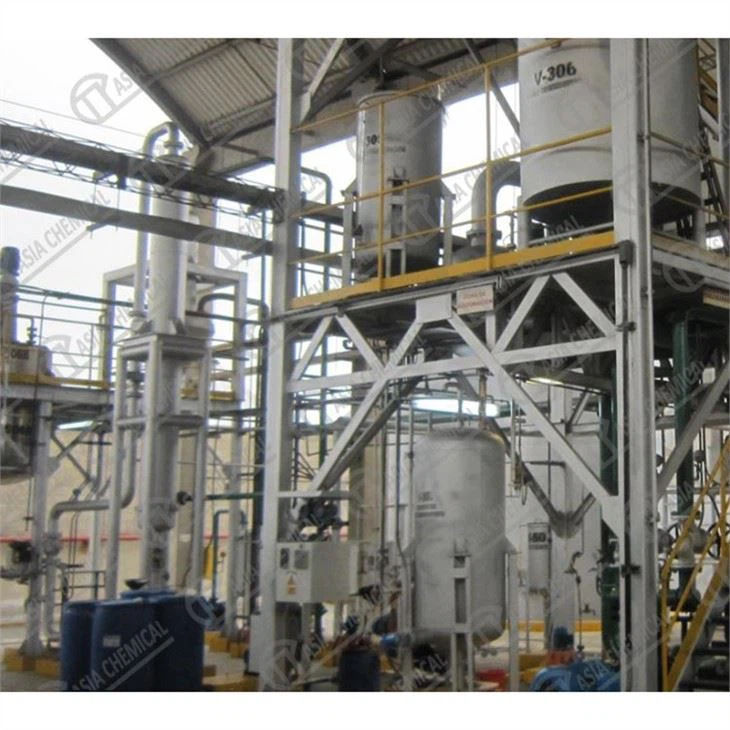
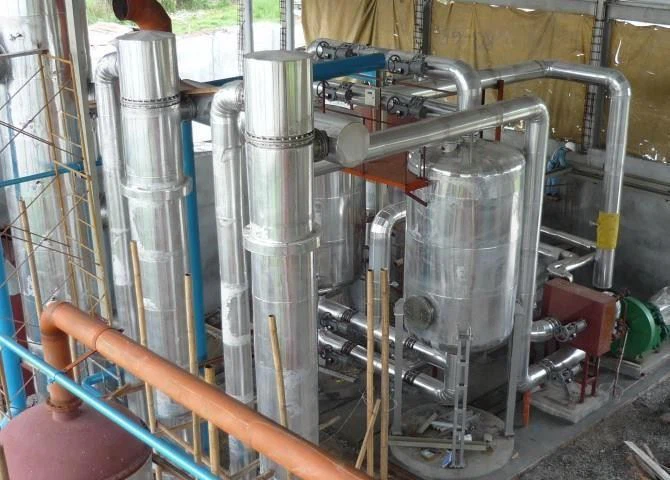
For example, the Sulphuric Acid Manufacturing Plant can produce sulfuric acid, which is a crucial component in LABSA production. By having access to an in - house or reliable external source of sulfuric acid, the factory can control its costs better. And with a Sulfonation Production Line, the production process can be streamlined. Modern production lines are designed to be efficient, using less energy and fewer resources while still producing high - quality LABSA.
This cost - effectiveness translates into higher profit margins. The factory can sell its LABSA at a competitive price in the market while still making a good profit. It can also reinvest the profits into research and development to further improve the production process and product quality.
3. Job Creation and Local Economic Impact
A LABSA factory is not just good for the business itself; it also has a positive impact on the local economy. It creates jobs at various levels. There are jobs in the production department, where workers operate the Sulfonation Production Line and manage the production process. There are also jobs in quality control, ensuring that the LABSA meets the required standards.
In addition, there are administrative and sales jobs. People are needed to manage the finances, handle customer orders, and market the product. All these jobs provide income for local residents, which in turn boosts the local economy. Workers spend their money on housing, food, and other goods and services, creating a multiplier effect.
The factory also contributes to the local tax base. Taxes paid by the factory help fund local infrastructure projects, schools, and other public services. This makes the factory a valuable part of the community, and local governments often support these industries through various incentives.
4. Export Potential
LABSA has a strong export potential. Many countries around the world don't have their own LABSA production facilities or don't produce enough to meet their domestic demand. This creates an opportunity for LABSA factories to export their product.
Exporting can bring in additional revenue for the factory. It allows the factory to tap into larger markets and diversify its customer base. For example, a factory in one country can sell its LABSA to detergent manufacturers in other countries in Asia, Europe, or Africa. This not only increases the factory's sales but also helps to balance out any fluctuations in the domestic market.
When exporting, the factory can also take advantage of different market prices in different regions. If the price of LABSA is higher in a particular country due to high demand and limited supply, the factory can focus on selling to that market. This flexibility in sales strategy can lead to increased profits.
5. Industry Synergy and Value Chain Integration
A LABSA factory can be part of a larger chemical industry ecosystem. It can work closely with other chemical producers and suppliers. For instance, it can collaborate with a Sulphuric Acid Production facility to ensure a smooth supply of sulfuric acid. This kind of synergy can lead to cost savings and improved efficiency.
Value chain integration is also possible. The factory can expand its business by getting involved in the production of downstream products. It could start making detergents or cleaning products using its own LABSA. This way, it can capture more value from the production process and increase its overall revenue. By having control over more parts of the value chain, the factory can also respond more quickly to market changes.
6. Research and Development for Product Improvement
Investing in research and development (R&D) is another economic benefit for a LABSA factory. By continuously working on improving the product, the factory can stay ahead of the competition. R&D can lead to the development of new and better - performing LABSA products.
For example, a factory might develop a LABSA product that is more environmentally friendly or has better cleaning properties. These new products can command a higher price in the market, increasing the factory's profit margins. R&D can also lead to process improvements, which can reduce production costs even further.
Moreover, a factory that is known for its innovative products is more likely to attract long - term customers. Customers are always looking for the best - quality products at the most reasonable price, and a factory that invests in R&D can meet those needs.
Let's Talk Business!
If you're in the market for high - quality LABSA, I'd love to chat with you. As a supplier to a top - notch LABSA factory, I can offer you great products at competitive prices. Whether you're a small - scale soap maker or a large detergent manufacturer, we have the capacity to meet your needs. Just reach out, and we can discuss your requirements and how we can work together to grow your business.
References
- Chemical Industry Market Reports
- Studies on the Economic Impact of Chemical Factories
- Detergent and Cleaning Product Industry Analysis