

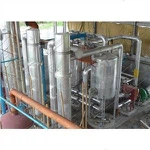
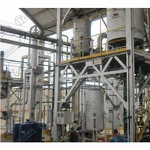
Hey there! I'm a supplier for STPP plants, and I've seen firsthand the ups and downs in this industry. STPP, or Sodium Tripolyphosphate, is a widely used chemical in various sectors like detergents, food, and water treatment. Running an STPP plant isn't a walk in the park, though. There are quite a few challenges that plant operators face on a daily basis. In this blog, I'll share some of the major hurdles and how we can potentially tackle them.
Raw Material Sourcing
One of the most significant challenges for an STPP plant is sourcing high - quality raw materials. The main raw materials for STPP production are phosphoric acid and soda ash. Phosphoric acid is usually derived from phosphate rock, and the quality of phosphate rock can vary greatly depending on its origin. Some phosphate rocks have high levels of impurities like heavy metals, which can affect the quality of the final STPP product.
Finding a reliable supplier for these raw materials is crucial. There are times when the supply of phosphate rock or soda ash gets disrupted due to factors like mining strikes, natural disasters, or political instability in the regions where they are produced. This can lead to production delays and increased costs for the STPP plant. As a supplier, I've seen plants struggle to keep up with production schedules because of these raw material shortages.
To address this issue, STPP plants need to build long - term relationships with multiple suppliers. They should also invest in quality control measures to ensure that the raw materials they receive meet the required standards. Additionally, exploring alternative sources of raw materials can be a good strategy. For example, some plants are now looking into recycling phosphates from industrial waste, which can reduce their dependence on traditional phosphate rock sources. You can find more about the equipment needed for handling these raw materials at STPP Plant Equipment.
Environmental Regulations
In today's world, environmental regulations are becoming stricter, and STPP plants are not exempt from these rules. The production of STPP involves several chemical processes that can generate waste products and emissions. For instance, the reaction between phosphoric acid and soda ash to produce STPP can release carbon dioxide and other pollutants.
STPP plants need to comply with local and international environmental standards regarding waste disposal, air emissions, and water pollution. This often requires them to invest in expensive pollution control equipment such as scrubbers to remove pollutants from the exhaust gases and wastewater treatment plants to clean the water used in the production process.
Failure to comply with these regulations can result in hefty fines, legal issues, and damage to the plant's reputation. As a supplier, I've seen plants having to shut down temporarily to upgrade their environmental control systems to meet the new regulations. To stay ahead, STPP plants should stay informed about the latest environmental policies and proactively invest in sustainable production technologies. The Sodium Tripolyphosphate Equipment on our website includes some of the advanced environmental control equipment that can help plants meet these regulations.


Energy Consumption
The production of STPP is an energy - intensive process. The chemical reactions involved require high temperatures, and the equipment used in the plant, such as pumps, compressors, and dryers, also consume a significant amount of energy. Rising energy costs can have a major impact on the profitability of an STPP plant.
To reduce energy consumption, plants can invest in energy - efficient equipment. For example, using high - efficiency motors and heat exchangers can significantly lower the energy requirements of the plant. Additionally, implementing energy management systems can help plants monitor and optimize their energy usage. Some plants are also exploring the use of renewable energy sources like solar or wind power to meet a part of their energy needs. This not only reduces their energy costs but also makes the production process more sustainable.
Market Competition
The STPP market is highly competitive. There are many players in the industry, both large and small, all vying for market share. The price of STPP is often driven by factors such as supply and demand, production costs, and the quality of the product.
New entrants in the market can disrupt the existing balance by offering lower - priced products. This can put pressure on established STPP plants to reduce their prices, which can in turn affect their profit margins. To stay competitive, plants need to focus on product quality, innovation, and cost - effectiveness. They should also invest in marketing and branding to differentiate their products from the competition.
For example, some plants are now producing specialty STPP products for niche markets, such as the food industry, where high - purity STPP is required. These specialty products can command higher prices and help the plant stand out in the market. You can learn more about setting up an STPP plant for competitive production at STPP Production Plant.
Technological Advancements
The chemical industry is constantly evolving, and new technologies are emerging all the time. STPP plants need to keep up with these technological advancements to remain competitive. For example, new production processes are being developed that can increase the efficiency of STPP production and reduce costs.
However, implementing new technologies can be a challenge for STPP plants. It requires significant investment in research and development, as well as training for the plant's staff. Additionally, there may be risks associated with adopting unproven technologies, such as production failures or quality issues.
As a supplier, I encourage plants to collaborate with research institutions and technology providers to stay updated on the latest advancements. They should also conduct pilot tests of new technologies before full - scale implementation to minimize the risks.
Quality Control
Maintaining consistent product quality is essential for an STPP plant. The quality of STPP can affect its performance in different applications. For example, in the detergent industry, high - quality STPP can improve the cleaning power of detergents, while low - quality STPP can lead to poor cleaning results.
STPP plants need to have strict quality control measures in place throughout the production process. This includes testing the raw materials, monitoring the chemical reactions, and analyzing the final product. Any deviation from the quality standards can result in product recalls, customer complaints, and damage to the plant's reputation.
As a supplier, I provide plants with equipment and tools for quality control. For example, we offer advanced analytical instruments that can accurately measure the composition and properties of STPP. By investing in quality control, STPP plants can ensure that they produce a high - quality product that meets the needs of their customers.
Labor and Skills Shortage
Finding and retaining skilled labor is a challenge for many industries, and the STPP industry is no exception. The operation of an STPP plant requires workers with specialized skills in chemical engineering, process control, and quality assurance.
There is a growing shortage of skilled workers in the chemical industry, especially in some regions. This can make it difficult for STPP plants to find the right people to operate and maintain their equipment. Additionally, training new employees can be time - consuming and expensive for the plant.
To address this issue, STPP plants should collaborate with educational institutions to develop training programs for future workers. They can also offer attractive compensation packages and career development opportunities to retain their existing employees.
In conclusion, running an STPP plant comes with its fair share of challenges. From raw material sourcing to environmental regulations, energy consumption, market competition, technological advancements, quality control, and labor shortages, there are many factors that can affect the success of an STPP plant. However, with the right strategies and investments, these challenges can be overcome.
If you're in the market for setting up or upgrading an STPP plant, I'd love to have a chat with you. We can discuss your specific needs and how our products and services can help you tackle these challenges and run a successful STPP operation. Let's connect and start a conversation about your STPP plant requirements.
References
- Chemical Engineering Journal: Articles on environmental regulations in the chemical industry
- International Journal of Chemical Technology: Research on new technologies for STPP production
- Market Research Reports on the STPP industry