

Sodium hydroxide (NaOH), commonly known as caustic soda, is a highly versatile and widely used chemical in various industries, including pulp and paper, textiles, water treatment, and chemical manufacturing. As a leading NaOH supplier, we understand the importance of providing high - purity caustic soda to meet the diverse needs of our customers. In this blog, we will explore different methods of purifying NaOH to ensure its quality and effectiveness.
Understanding the Impurities in NaOH
Before delving into the purification methods, it's crucial to understand the common impurities found in NaOH. These impurities can come from the raw materials used in its production or from side - reactions during the manufacturing process. Some of the typical impurities include sodium carbonate (Na₂CO₃), sodium chloride (NaCl), iron compounds, and other trace metals. These impurities can affect the performance of NaOH in different applications, such as causing discoloration in textile processing or reducing the efficiency of chemical reactions.
Purification Methods
1. Precipitation Method
The precipitation method is one of the most common ways to purify NaOH. It is based on the principle that different salts have different solubilities in water at different temperatures. To remove sodium carbonate, for example, calcium hydroxide (Ca(OH)₂) can be added to the NaOH solution. The reaction is as follows:
Na₂CO₃ + Ca(OH)₂ → 2NaOH+CaCO₃↓
The calcium carbonate (CaCO₃) precipitates out of the solution, and it can be removed by filtration. This process effectively reduces the carbonate content in the NaOH solution.
For the removal of other insoluble impurities, simple filtration can be employed after the precipitation step. A filter medium, such as a fine - pore filter paper or a ceramic filter, can be used to separate the solid impurities from the liquid NaOH solution.
2. Crystallization Method
Crystallization is another effective purification technique. When a saturated NaOH solution is cooled, pure NaOH crystals will form, while many of the impurities remain in the solution. The solubility of NaOH decreases with decreasing temperature, and as the solution cools, the excess NaOH comes out of the solution in the form of crystals.
The crystallization process can be controlled by adjusting the cooling rate and the initial concentration of the NaOH solution. A slow cooling rate usually results in larger and more pure crystals. After crystallization, the crystals can be separated from the mother liquor by filtration or centrifugation. The mother liquor, which contains a high concentration of impurities, can be further processed or discarded.
3. Ion - Exchange Method
Ion - exchange resins can be used to remove specific ions from the NaOH solution. For example, cation - exchange resins can be used to remove metal ions such as iron, calcium, and magnesium. These resins have functional groups that can exchange cations with the metal ions in the solution.
The NaOH solution is passed through a column filled with the ion - exchange resin. As the solution flows through the column, the metal ions are retained on the resin, while the sodium ions and hydroxide ions pass through. Periodically, the resin needs to be regenerated to restore its ion - exchange capacity. This can be done by passing a concentrated solution of a suitable acid or base through the column.
4. Electrolytic Purification
Electrolysis can also be used to purify NaOH. In an electrolytic cell, the impure NaOH solution is used as the electrolyte. When an electric current is passed through the solution, the impurities can be oxidized or reduced at the electrodes.


For example, chloride ions can be oxidized to chlorine gas at the anode. At the same time, the electrolysis process can also help to break down some organic impurities. However, this method requires careful control of the electrolysis conditions, such as the current density, temperature, and electrolyte concentration, to ensure efficient purification and avoid side - reactions.
Quality Control in Purification
During the purification process, it is essential to have a strict quality control system in place. Various analytical techniques can be used to monitor the purity of NaOH. Titration is a common method to determine the concentration of NaOH and the content of impurities such as carbonate. Spectroscopic methods, such as atomic absorption spectroscopy (AAS) or inductively coupled plasma - mass spectrometry (ICP - MS), can be used to detect trace metals in the NaOH solution.
Regular sampling and analysis at different stages of the purification process can help to identify any issues early and make necessary adjustments to the purification parameters. This ensures that the final product meets the required purity standards.
Importance of Pure NaOH in Different Industries
The purity of NaOH is of utmost importance in different industries. In the pulp and paper industry, pure NaOH is used in the pulping process to break down the lignin in wood chips. Impurities in NaOH can affect the quality of the pulp and the final paper product, such as causing discoloration or reducing the strength of the paper.
In the textile industry, pure NaOH is used for mercerization, a process that improves the luster, strength, and dye - affinity of cotton fibers. Impurities can damage the fibers or cause uneven mercerization, resulting in poor - quality textiles.
In the chemical manufacturing industry, pure NaOH is often used as a reactant or a catalyst. Impurities can interfere with chemical reactions, reduce the yield of the desired product, or cause unwanted side - reactions.
Our Role as an NaOH Supplier
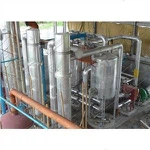
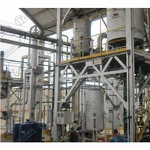
As an NaOH supplier, we are committed to providing high - purity caustic soda to our customers. We have state - of - the - art Caustic Soda Production Plant and Caustic Soda Making Plant equipped with advanced purification technologies. Our experienced team of chemists and engineers closely monitors the purification process to ensure the quality and consistency of our products.
We also offer customized purification solutions based on the specific requirements of our customers. Whether you need NaOH with extremely low levels of certain impurities or a specific grade of caustic soda for a particular application, we can work with you to meet your needs.
Contact Us for Procurement
If you are in the market for high - purity NaOH, we invite you to contact us for procurement discussions. Our dedicated sales team is ready to provide you with detailed product information, pricing, and delivery options. We understand the importance of reliable supply and excellent customer service, and we are committed to building long - term partnerships with our customers.
References
- Kirk - Othmer Encyclopedia of Chemical Technology.
- Handbook of Industrial Chemistry.
- Journal of Chemical Engineering and Processing: Process Intensification.