

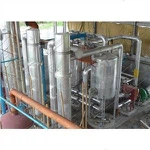
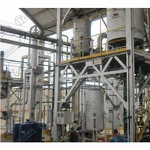
Hey everyone! I'm a supplier running a NaClO2 plant. In today's blog, I'll be talking about how we can enhance the social responsibility of an NaClO2 plant. Let's dive right in!
Understanding Social Responsibility in the NaClO2 Industry
First off, we gotta understand what social responsibility really means in the context of an NaClO2 plant. It's not just about making money and producing sodium chlorite. Social responsibility encompasses a whole bunch of aspects, like environmental protection, community engagement, employee welfare, and product safety.


When we think about the environment, an NaClO2 plant can have a significant impact. The production process involves various chemicals, and if not managed properly, it can lead to pollution of air, water, and soil. For example, the release of harmful gases during the manufacturing process can contribute to air pollution, and improper waste disposal can contaminate water sources.
On the community front, our plant is part of a larger community. We need to make sure that our operations don't negatively affect the local residents. This means minimizing noise pollution, traffic congestion, and any other disturbances caused by our plant. At the same time, we should also look for ways to give back to the community, like supporting local charities or educational initiatives.
Employee welfare is another crucial aspect. Our workers are the backbone of the plant. We need to provide them with a safe and healthy working environment, fair wages, and opportunities for career development. A happy and healthy workforce is more productive and loyal, which is good for the long - term success of the plant.
And of course, product safety is non - negotiable. NaClO2 is a chemical with specific uses, like water treatment and bleaching. We need to ensure that the product we produce meets all the safety standards and regulations. If the product is not safe, it can pose risks to the end - users and the environment.
Environmental Initiatives
One of the key ways to enhance social responsibility is through environmental initiatives. Here are some steps we can take:
1. Waste Reduction and Recycling
We can start by analyzing our production process to identify areas where waste can be reduced. For example, we can implement recycling programs for by - products or packaging materials. By recycling, we not only reduce the amount of waste going to landfills but also save on raw material costs.
2. Energy Efficiency
Improving energy efficiency is a no - brainer. We can upgrade our equipment to more energy - efficient models, install energy - saving lighting systems, and optimize our production schedules to reduce energy consumption. This not only helps the environment by reducing greenhouse gas emissions but also cuts down on our electricity bills.
3. Pollution Control
Investing in state - of - the - art pollution control equipment is essential. This includes scrubbers for air pollution control, wastewater treatment plants to clean up the water used in the production process, and proper waste management systems. By controlling pollution, we ensure that our plant has a minimal impact on the environment.
Community Engagement
Engaging with the local community is another important aspect of social responsibility. Here's how we can do it:
1. Open Communication Channels
We should establish open communication channels with the local community. This can include regular community meetings, where we can update them on our plant's operations, address their concerns, and listen to their suggestions. By being transparent, we can build trust with the community.
2. Support Local Development
We can support local development projects. For example, we can sponsor local events, donate to local schools, or provide internships and job opportunities for local residents. This shows that we are committed to the well - being of the community and helps us become a more integral part of it.
3. Noise and Traffic Management
As mentioned earlier, we need to minimize noise and traffic disturbances caused by our plant. We can install noise - reducing equipment and plan our transportation schedules to avoid peak traffic hours. This way, we can make our operations more tolerable for the local community.
Employee Welfare
Taking care of our employees is fundamental to enhancing social responsibility. Here are some ways to do it:
1. Safety Training
We should provide comprehensive safety training to all our employees. This includes training on how to handle chemicals safely, operate machinery properly, and respond to emergencies. Regular safety drills can also be conducted to ensure that everyone knows what to do in case of an accident.
2. Health Benefits
Offering competitive health benefits is crucial. This includes medical insurance, paid sick leave, and access to health and wellness programs. A healthy workforce is more likely to be productive and satisfied.
3. Career Development
We should provide opportunities for career development to our employees. This can include training programs, mentorship, and promotion opportunities. By helping our employees grow in their careers, we not only retain talented workers but also contribute to their personal and professional development.
Product Safety and Quality
Ensuring the safety and quality of our NaClO2 product is of utmost importance. Here's what we can do:
1. Quality Control Measures
We need to implement strict quality control measures throughout the production process. This includes regular testing of the product to ensure that it meets all the required standards. We can use advanced analytical techniques to check the purity, concentration, and stability of the NaClO2.
2. Safety Information for Customers
We should provide clear and comprehensive safety information to our customers. This includes instructions on how to store, handle, and use the product safely. We can also offer training programs for our customers on the proper use of NaClO2.
3. Continuous Improvement
We should continuously work on improving the safety and quality of our product. This can involve investing in research and development to find better production methods or to develop safer formulations of NaClO2.
Related Industry Links
If you're interested in other types of chlorine - allied plants, here are some useful links:
Encouraging Procurement
If you're in the market for high - quality NaClO2 products from a socially responsible plant, I'd love to talk to you. We're committed to providing not only top - notch products but also supporting the well - being of the environment, the community, and our employees. Reach out to us for a purchase discussion, and let's work together to meet your needs.
References
- Environmental Protection Agency (EPA) guidelines on chemical manufacturing and waste management.
- Industry reports on best practices in social responsibility for chemical plants.
- Research studies on employee welfare and its impact on productivity.