

Linear alkylbenzene sulfonic acid (LABSA) is a widely used anionic surfactant known for its excellent detergency, emulsification, and foaming properties. It has found applications in various industries, including household detergents, industrial cleaners, and even some agricultural formulations. However, when it comes to cosmetics, there are specific considerations and regulations that need to be addressed. As a LABSA supplier, we understand the importance of providing accurate information about the potential use of LABSA in cosmetics.
Chemical Properties of LABSA
LABSA is synthesized by the sulfonation of linear alkylbenzene (LAB). It is a mixture of isomers with a general formula of C₁₀ - C₁₃ alkylbenzene sulfonic acids. The presence of the sulfonic acid group (-SO₃H) gives LABSA its anionic nature, which is crucial for its surfactant properties. LABSA is a viscous, pale - yellow to brownish liquid with a characteristic odor.
In aqueous solutions, LABSA dissociates into an anionic sulfonate group and a proton. The anionic sulfonate group has a strong affinity for both polar (hydrophilic) and non - polar (hydrophobic) substances. This property allows LABSA to reduce the surface tension between two immiscible phases, such as oil and water, making it an effective emulsifying and foaming agent.
Use in Traditional Cleaning Applications
LABSA is a staple ingredient in many household and industrial cleaning products. In laundry detergents, it helps to remove dirt, grease, and stains from fabrics. Its ability to emulsify oils allows it to lift oily soils from the fabric surface and suspend them in the wash water. In dishwashing liquids, LABSA provides excellent foaming and degreasing properties, making it easy to clean greasy dishes and utensils.
In industrial cleaning applications, such as metal degreasing and floor cleaning, LABSA is used for its powerful cleaning abilities. It can break down tough grease and oil deposits on machinery and flooring surfaces, leaving them clean and free of contaminants. For more information on the equipment used in the production of LABSA, you can visit Sulphuric Acid Plant Equipment.
Potential Use in Cosmetics
The use of LABSA in cosmetics is a topic of debate. On one hand, its surfactant properties could potentially be beneficial in certain cosmetic formulations. For example, in some cleansing products, such as body washes and facial cleansers, a surfactant is needed to remove dirt, excess sebum, and makeup from the skin. LABSA's emulsifying and foaming properties could make it a suitable candidate for these types of products.
However, there are several concerns associated with the use of LABSA in cosmetics. One of the main issues is its potential to cause skin irritation. The high acidity of LABSA can disrupt the skin's natural pH balance, which ranges from 4.5 to 5.5 in healthy skin. Disrupting this pH balance can lead to a variety of skin problems, including dryness, redness, itching, and even damage to the skin's barrier function.
Another concern is the presence of impurities in LABSA. During the synthesis process, impurities such as unreacted LAB, sulfuric acid, and other by - products may be present in the final product. These impurities can cause additional skin irritation and allergic reactions in some individuals. Therefore, if LABSA were to be used in cosmetics, strict purification processes would be required to ensure the safety of the product.
Regulatory Considerations
Cosmetics are highly regulated products in many countries around the world. Regulatory bodies, such as the Food and Drug Administration (FDA) in the United States and the European Union's Cosmetics Regulation, have strict guidelines regarding the ingredients that can be used in cosmetics.
Currently, LABSA is not commonly listed as an approved ingredient in cosmetic formulations. These regulatory bodies require extensive safety testing, including skin irritation and sensitization tests, before an ingredient can be approved for use in cosmetics. Given the potential skin - irritating properties of LABSA, it would be challenging to meet these regulatory requirements.
Alternative Surfactants in Cosmetics
There are many other surfactants that are commonly used in cosmetics and have a better safety profile. For example, sodium lauryl sulfate (SLS) and sodium laureth sulfate (SLES) are widely used anionic surfactants in cosmetics. They are similar to LABSA in terms of their surfactant properties but are generally considered to be milder on the skin when appropriately formulated.
Cocamidopropyl betaine is another popular surfactant in cosmetics. It is an amphoteric surfactant, which means it has both positive and negative charges. Cocamidopropyl betaine is known for its mildness and is often used in combination with other surfactants to reduce irritation.
Our Role as a LABSA Supplier
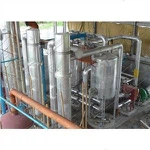
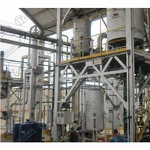
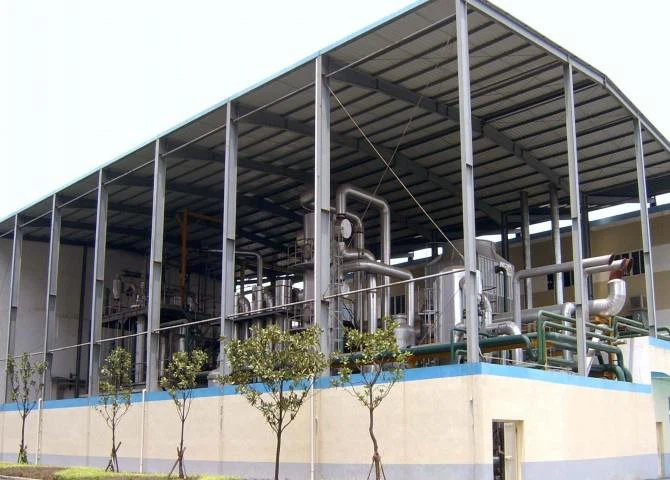
As a LABSA supplier, we understand the need for high - quality and safe chemical products. While LABSA may not be a common choice for cosmetics at present, our production facilities are equipped to meet the highest standards of quality and purity. We use state - of - the - art Multi Product Sulphonation Plant and SO3 Sulphonation Plant to ensure the consistency and quality of our LABSA products.
We also recognize the importance of research and development in exploring new applications for our products. We are committed to working with researchers and cosmetic formulators to investigate the potential of LABSA in cosmetics further. If it were possible to develop a safe and effective way to use LABSA in cosmetics, it could open up new opportunities for the cosmetic industry.

Conclusion and Call to Action
In conclusion, while LABSA has excellent surfactant properties, its use in cosmetics is currently limited due to safety concerns and regulatory requirements. However, the dynamic nature of the chemical and cosmetic industries means that new technologies and processes could potentially make LABSA a viable option in the future.
If you are interested in learning more about LABSA or exploring its potential uses in your industry, we encourage you to contact us for a detailed discussion. Our team of experts is ready to answer your questions and provide you with the information you need to make informed decisions.
References
- Cosmetics Europe, "Cosmetics Ingredients Database", available publicly.
- FDA regulations on cosmetics ingredients, US Government Publications.
- Textbooks on surfactant chemistry, e.g., "Surfactants and Interfacial Phenomena" by Milton J. Rosen.