

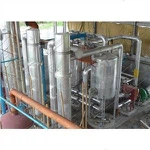
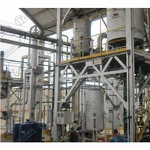
LNG, or Liquefied Natural Gas, is a crucial energy source worldwide, known for its clean - burning properties and high energy density. However, in its natural state, LNG is odorless, colorless, and tasteless. This lack of odor poses a significant safety risk as it makes it difficult to detect leaks. That's where LNG odorization equipment comes into play. As a leading LNG Equipment supplier, we are well - versed in how this equipment operates and its importance in the LNG industry.
The Basics of LNG Odorization
LNG odorization is the process of adding a distinct, unpleasant odor to LNG so that even a small leak can be easily detected by human senses. The odorant used is typically a sulfur - based compound, such as tert - butyl mercaptan (TBM) or tetrahydrothiophene (THT). These compounds have a strong, pungent smell that can be detected by humans at very low concentrations.
The primary purpose of odorization is safety. In the event of a leak, the odor alerts people to the presence of LNG, allowing them to take appropriate action to prevent potential hazards such as fires, explosions, or asphyxiation.
Components of LNG Odorization Equipment
Odorant Storage Tank
The first component of the LNG odorization equipment is the odorant storage tank. This tank is designed to store the odorant safely. It is made of materials that are resistant to corrosion and can withstand the pressure and temperature conditions of the odorant. The size of the storage tank depends on the volume of LNG to be odorized and the frequency of odorant refilling.
Metering and Injection System
The metering and injection system is responsible for accurately measuring the amount of odorant to be added to the LNG. This system uses precise pumps and valves to control the flow rate of the odorant. The amount of odorant added is typically based on industry standards and regulations, which specify the minimum concentration of odorant in the LNG.
There are two main types of injection methods: continuous injection and batch injection. In continuous injection, the odorant is added continuously to the LNG stream at a constant rate. This method is suitable for large - scale LNG facilities where a consistent odorant concentration is required. Batch injection, on the other hand, involves adding a pre - determined amount of odorant to a specific volume of LNG at regular intervals.
Mixing Device
After the odorant is injected into the LNG, it needs to be thoroughly mixed to ensure a uniform distribution of the odorant throughout the LNG. The mixing device can be a static mixer or a dynamic mixer. A static mixer uses fixed elements inside a pipe to create turbulence and mix the odorant with the LNG. A dynamic mixer, such as a mechanical agitator, uses moving parts to achieve better mixing.
How the Equipment Works in Different LNG Facilities
Regasification Plant
In a regasification plant, LNG is converted back into its gaseous state. The odorization equipment is typically installed at the point where the LNG is about to be regasified. The odorant is injected into the LNG stream before it enters the vaporizers. This ensures that the natural gas produced during the regasification process is odorized. The metering and injection system in a regasification plant need to be highly accurate because the flow rate of LNG can vary depending on the demand for natural gas.
Factory Lng
In a factory that uses LNG as a fuel source, the odorization equipment is installed at the LNG storage and distribution system. The odorant is added to the LNG before it is used in the factory's machinery. This allows factory workers to detect any leaks in the LNG piping or storage tanks quickly. The odorization equipment in a factory setting needs to be reliable and easy to maintain to ensure continuous operation.
LNG Processing Plant
In an LNG processing plant, where LNG is produced from natural gas, the odorization equipment can be installed at different stages of the production process. It can be added after the liquefaction process but before the LNG is stored in the final storage tanks. This ensures that the LNG leaving the processing plant is odorized. The odorization equipment in a processing plant needs to be able to handle large volumes of LNG and operate under high - pressure conditions.
Safety and Maintenance of LNG Odorization Equipment
Safety is of utmost importance when it comes to LNG odorization equipment. The odorant used is a hazardous substance, and proper handling and storage are essential. The storage tank should be equipped with safety features such as pressure relief valves, level sensors, and leak detection systems.
Regular maintenance of the odorization equipment is also crucial. The pumps, valves, and mixers need to be inspected and calibrated regularly to ensure accurate metering and injection of the odorant. The storage tank should be cleaned and refilled as needed, and any damaged components should be replaced immediately.
Advantages of Our LNG Odorization Equipment
As an LNG Equipment supplier, we offer high - quality odorization equipment with several advantages. Our equipment is designed to be highly accurate, ensuring that the correct amount of odorant is added to the LNG at all times. It is also reliable and durable, with a long service life and minimal maintenance requirements.
We use the latest technology in our odorization equipment, including advanced metering and injection systems and efficient mixing devices. Our equipment is also customizable to meet the specific needs of different LNG facilities, whether it's a small - scale factory or a large - scale regasification plant.
Conclusion
LNG odorization equipment plays a vital role in ensuring the safety of LNG operations. By adding a distinct odor to LNG, it allows for easy detection of leaks and helps prevent potential hazards. As an experienced LNG Equipment supplier, we understand the importance of this equipment and offer reliable, high - quality solutions for various LNG facilities.
If you are in the market for LNG odorization equipment, or if you have any questions about our products, we encourage you to reach out to us for a detailed discussion. Our team of experts is ready to assist you in finding the best solution for your specific needs. Let's work together to ensure the safe and efficient use of LNG.

References
- "Handbook of Natural Gas Transmission and Processing"
- Industry standards and regulations related to LNG odorization
- Technical literature from leading odorant manufacturers