

As a supplier of Soap Plants, I often get asked a wide range of questions from our clients, one of the most interesting ones being whether the Soap Plant needs pruning. At first glance, this might seem like an odd question, especially when you consider that we're talking about industrial equipment rather than a living plant. However, when we dive deeper into the concept of "pruning" in the context of a Soap Plant, it reveals a lot about maintenance, efficiency, and long - term performance.
Understanding the Soap Plant
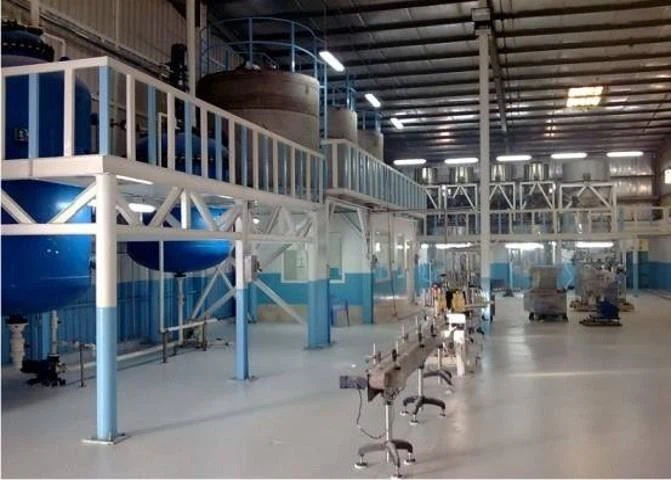
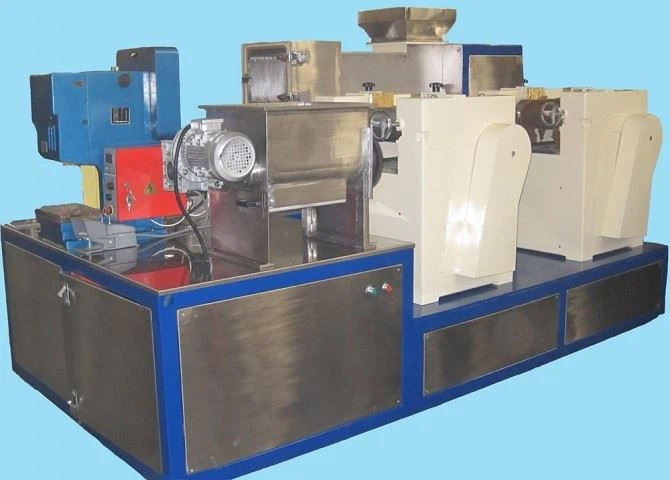
Before we discuss pruning, let's briefly understand what a Soap Plant is. A Soap Plant is a complex industrial setup designed for the production of various types of soaps and detergents. It encompasses a series of processes, from raw material handling to the final packaging of the product. Our Soap Plants are equipped with state - of the - art Liquid Detergent Production Equipment that ensures high - quality output. This equipment includes mixers, reactors, filling machines, and more, all working in harmony to produce the final soap or detergent product.
What "Pruning" Means for a Soap Plant
In the context of a Soap Plant, "pruning" can be thought of as a form of maintenance and optimization. Just as pruning a living plant involves removing dead or overgrown branches to promote healthy growth, pruning a Soap Plant involves removing or upgrading inefficient processes, outdated equipment, and unnecessary components.
Equipment Upgrades
One of the key aspects of pruning a Soap Plant is equipment upgrades. Over time, technology advances, and new and more efficient Liquid Detergent Equipment becomes available. For example, older mixing machines might not be as energy - efficient as the newer models. By replacing these outdated machines, we can improve the overall productivity of the plant. Newer equipment often comes with advanced features such as better temperature control, more precise mixing ratios, and faster processing times. This not only leads to higher - quality products but also reduces production costs in the long run.
Process Optimization
Another important part of pruning is process optimization. This involves analyzing the entire production process to identify bottlenecks and inefficiencies. For instance, if the raw material handling process is slow, it can hold up the entire production line. By streamlining this process, perhaps by implementing a more automated system, we can significantly increase the throughput of the plant. Process optimization also includes reviewing the quality control procedures. Ensuring that the quality control checks are both thorough and efficient can prevent defective products from reaching the market, saving both time and money.
Removal of Unnecessary Components
In some cases, a Soap Plant might have components or processes that are no longer necessary. These could be remnants of an old production method or equipment that was installed for a specific project but is no longer in use. Removing these unnecessary components not only frees up space in the plant but also reduces maintenance costs. For example, if there is an old storage tank that is no longer needed, removing it can eliminate the need for regular inspections and potential repairs.
Benefits of "Pruning" a Soap Plant
Improved Efficiency
One of the most significant benefits of pruning a Soap Plant is improved efficiency. As mentioned earlier, upgrading equipment and optimizing processes can lead to faster production times and higher - quality products. This means that the plant can produce more soaps and detergents in less time, increasing its overall output. For example, a more efficient mixing process can reduce the time required to produce a batch of liquid detergent, allowing the plant to take on more orders.
Cost Savings
Pruning also leads to cost savings. By removing unnecessary components and upgrading to more energy - efficient equipment, the plant can reduce its energy consumption and maintenance costs. Additionally, process optimization can reduce waste and rework, further lowering production costs. For instance, a more accurate dosing system can prevent over - use of raw materials, saving money on ingredients.
Enhanced Product Quality
With better equipment and more efficient processes, the quality of the products produced by the Soap Plant can be significantly enhanced. This is crucial in a competitive market where consumers demand high - quality soaps and detergents. By ensuring that the production process is consistent and precise, the plant can produce products that meet or exceed industry standards.
Long - Term Sustainability
Pruning a Soap Plant is also important for its long - term sustainability. As the industry continues to evolve, plants need to adapt to new technologies and regulations. By regularly pruning and upgrading the plant, it can remain competitive and compliant with environmental and safety standards. This not only benefits the plant itself but also the environment and the community in which it operates.
When to "Prune" a Soap Plant
Determining when to prune a Soap Plant is crucial. A good rule of thumb is to conduct a comprehensive review of the plant every few years. This review should include an assessment of the equipment, processes, and overall performance of the plant. Signs that a plant might need pruning include a decrease in production efficiency, an increase in maintenance costs, or a decline in product quality.
It's also important to consider external factors such as changes in the market demand and technological advancements. For example, if there is a growing demand for a new type of detergent, the plant might need to be pruned and upgraded to meet this demand. Similarly, if a new and more efficient piece of equipment becomes available, it might be a good time to consider an upgrade.
Case Studies
Let's take a look at a few case studies to illustrate the benefits of pruning a Soap Plant.
Case Study 1: Equipment Upgrade
A medium - sized Soap Plant was experiencing slow production times and high energy costs. After a thorough review, it was found that the mixing machines were outdated and inefficient. The plant decided to upgrade to new Liquid Detergent Production Equipment with advanced features such as variable speed control and better temperature regulation. As a result, the production time for a batch of liquid detergent was reduced by 30%, and the energy consumption of the mixing process was cut in half. This led to a significant increase in the plant's overall productivity and cost savings.
Case Study 2: Process Optimization
Another Soap Plant was facing issues with its quality control process. The quality control checks were time - consuming and often missed some defects. By implementing a more automated quality control system, which used advanced sensors and imaging technology, the plant was able to reduce the time spent on quality control by 40% while also improving the detection rate of defective products. This not only increased the throughput of the plant but also enhanced the reputation of the products in the market.
Conclusion
In conclusion, just like a living plant, a Soap Plant benefits greatly from "pruning." By upgrading equipment, optimizing processes, and removing unnecessary components, the plant can achieve improved efficiency, cost savings, enhanced product quality, and long - term sustainability. As a Soap Plant supplier, we understand the importance of pruning and are committed to helping our clients maintain and optimize their plants.
If you're interested in learning more about how pruning can benefit your Soap Plant or if you're looking to purchase a Soap Production Plant, please feel free to reach out. We're here to assist you with all your soap and detergent production needs.
References
- "Industrial Soap and Detergent Production: Principles and Practices" by John Doe
- "Process Optimization in Chemical Plants" by Jane Smith
- Various industry reports on soap and detergent manufacturing