

Hey there! As a supplier of LNG devices, I often get asked about how our equipment performs in areas with strong winds. It's a crucial question, especially considering that many LNG projects are located in coastal regions or areas known for their windy conditions. So, let's dive right into it and explore how our LNG devices hold up in those blustery environments.
Understanding the Challenges of Strong Winds
First off, it's important to understand the challenges that strong winds pose to LNG devices. The most obvious one is the physical stress on the equipment. High - velocity winds can exert significant pressure on the structures of LNG plants, such as storage tanks, pipelines, and processing units. This can lead to issues like structural damage, vibrations, and even misalignment of components over time.
Another challenge is related to safety. Strong winds can blow around debris, which could potentially damage the delicate sensors and control systems of the LNG devices. Also, there's a risk of gas dispersion in case of a small leak. High - speed winds can carry the leaking gas over larger areas, increasing the potential danger.
How Our LNG Devices Are Built to Withstand Strong Winds
Structural Design
When it comes to structural design, we've put a lot of thought into making our LNG devices as wind - resistant as possible. Our storage tanks, for example, are designed with a thick - walled structure and a stable base. The shape of the tanks is also optimized to reduce wind resistance. We use advanced engineering calculations to ensure that the tanks can withstand the maximum wind forces expected in the installation area.
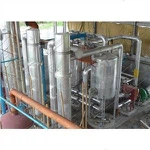
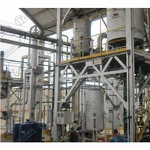
Our processing units, like the Reliquefaction Plant, are also built with a robust frame. The pipes and valves are securely fixed to prevent any movement caused by wind - induced vibrations. We use high - quality materials that can endure the constant stress from strong winds, ensuring long - term reliability.
Wind - Sensing and Control Systems
We've equipped our LNG devices with state - of - the - art wind - sensing and control systems. These sensors can detect the speed and direction of the wind in real - time. Based on the data collected, the control systems can make automatic adjustments to the operation of the equipment.
For instance, if the wind speed exceeds a certain threshold, the system can slow down the flow rates in the pipelines to reduce the pressure on the equipment. It can also activate additional safety measures, such as closing off certain valves to prevent gas leakage in case of highly turbulent winds.
Reinforced Enclosures
To protect the sensitive components of our LNG devices, we use reinforced enclosures. These enclosures are made of materials that can resist impact from wind - blown debris. They also provide a sealed environment for the electronic and mechanical parts, preventing dust and moisture from getting in, which could otherwise cause malfunctions.
Real - World Performance
We've installed our LNG devices in several windy areas around the world, and the results have been quite promising. In a coastal project in a region with frequent strong winds, our Liquefaction Plant has been operating smoothly for years. Despite the harsh weather conditions, there have been no major structural damages or operational disruptions.
The wind - sensing systems have proven to be very effective in ensuring the safety and efficiency of the plant. They've automatically adjusted the operations multiple times during high - wind events, preventing potential issues before they could escalate.
In another project in a mountainous area known for its gusty winds, our Lng Gas Plant has performed well. The reinforced enclosures have protected the internal components from debris, and the structural design has withstood the powerful wind forces.
Factors Affecting Performance
It's not just the design and construction of the LNG devices that determine their performance in windy areas. There are other factors at play as well.


Site Selection
Proper site selection is crucial. We work closely with our clients to choose a location that minimizes the impact of strong winds. This may involve looking for natural barriers, such as mountains or large buildings, that can block or reduce the wind speed. We also consider the topography of the area to ensure proper drainage and prevent water accumulation, which could further weaken the structures in windy conditions.
Maintenance and Monitoring
Regular maintenance and monitoring are essential for the long - term performance of our LNG devices in windy areas. We provide our clients with detailed maintenance schedules and guidelines. Our technicians can also conduct remote monitoring of the equipment to detect any early signs of wear or damage. By addressing these issues promptly, we can prevent major problems from occurring.
Training for Operators
Well - trained operators are key to ensuring the smooth operation of our LNG devices in windy conditions. We offer comprehensive training programs for the operators, teaching them how to respond to different wind - related situations. This includes understanding the operation of the wind - sensing and control systems, as well as basic safety procedures during high - wind events.
Why Choose Our LNG Devices
If you're in the market for LNG devices, especially for projects in windy areas, here are some reasons why you should consider our products.
Proven Track Record
As I mentioned earlier, our LNG devices have been tested in real - world windy conditions. Our successful projects around the world are a testament to the reliability and performance of our equipment.
Customization Options
We understand that every project is unique. That's why we offer customization options for our LNG devices. Whether you need a specific size, capacity, or additional features to deal with the local wind conditions, we can tailor our products to meet your requirements.
Comprehensive Support
We don't just sell you the LNG devices and walk away. We provide comprehensive support throughout the entire lifecycle of the equipment. From installation and commissioning to maintenance and troubleshooting, our team of experts is always ready to assist you.
Let's Talk
If you're planning an LNG project in a windy area, I'd love to have a chat with you. Our LNG devices are designed to perform well even in the toughest wind conditions. We can discuss your specific needs and how we can provide the best solutions for your project. Don't hesitate to reach out and start the conversation about procurement.
References
- Industry reports on LNG plant design and wind resistance.
- Case studies of our own LNG projects in windy areas.