

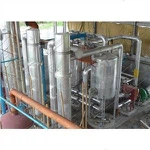
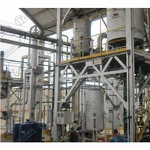
Yo, folks! I'm part of an LNG device supplier crew, and today, I wanna chat about how our LNG devices handle those nerve - wracking emergency shutdowns. You know, emergency shutdowns in the LNG world are no joke. One wrong move, and it can lead to some serious issues, like safety risks, environmental disasters, or huge financial losses. So, let's dig into how our top - notch LNG devices step up in these critical situations.
Understanding LNG Emergency Shutdowns
First off, we gotta know what an LNG emergency shutdown is all about. LNG is super cold, about -162°C. It's highly flammable too. An emergency shutdown can be triggered by a bunch of things. There could be a malfunction in the Liquefaction Plant Lng, where natural gas is turned into its liquid state. Equipment failures, leaks, or bad weather conditions can also set off the alarm.
When an emergency situation hits, it's like a red - alert moment. The goal of the emergency shutdown is to stop the LNG flow, isolate the problem area, and prevent any further damage or danger. And that's where our LNG devices come in, doing their job to keep things under control.
Key Components in Handling Emergency Shutdowns
Our LNG devices have some key components that play a big role in emergency shutdowns.


Safety Valves
Safety valves are like the first line of defense. They're designed to open up when the pressure in the system gets too high. In an emergency, a sudden spike in pressure can be a real headache. But our high - quality safety valves sense that increase and quickly release the excess pressure, preventing any ruptures or explosions. It's like having a pressure - relief vent that kicks in right when you need it.
Emergency Shut - off Valves
These are the big guns when it comes to LNG emergency shutdowns. Emergency shut - off valves are placed at strategic points in the LNG system, like at the entrance and exit of storage tanks and along pipelines. When an emergency is detected, these valves can close in a split - second. They stop the flow of LNG, which is crucial for containing the problem. Whether it's a minor leak or a major equipment failure, these valves can quickly isolate the affected area.
Monitoring Systems
We also rely on super - smart monitoring systems. These systems are constantly keeping an eye on the LNG process. They track things like temperature, pressure, flow rate, and gas concentration. If any of these parameters go out of the normal range, the monitoring system sends an instant signal. This early warning allows operators to take action before things get out of hand. And in case of a full - blown emergency, the monitoring system can trigger the shutdown sequence automatically.
The Process of an LNG Emergency Shutdown
Let's walk through what actually happens during an LNG emergency shutdown with our devices.
Detection
The first step is detection. Our monitoring systems are always on guard. They use sensors placed all over the LNG facility. These sensors can pick up even the slightest changes in the environment. For example, if there's a gas leak, the gas sensors will detect the increase in gas concentration and send an alert.
Alarm Activation
Once the monitoring system detects something fishy, it activates the alarms. These alarms are loud and clear, making sure that everyone on the site knows there's a problem. The alarms are not just auditory; there are also visual signals, like flashing lights. This multi - sensory approach ensures that no one misses the warning.
Shutdown Sequence Initiation
After the alarms go off, the next step is to start the shutdown sequence. Our control systems take charge here. They send signals to the emergency shut - off valves and other relevant components. For instance, the control system will tell the emergency shut - off valves to close, halting the flow of LNG. At the same time, other devices may start to vent any excess gas safely into the atmosphere following strict environmental regulations.
Isolation and Cooling
Once the LNG flow is stopped, the next stage is isolation. The affected area is sealed off from the rest of the system to prevent the problem from spreading. Additionally, cooling systems may kick in. Since LNG is cryogenic, it needs to be kept at a low temperature. But during an emergency, the temperature can rise due to various factors. The cooling systems work to maintain the right temperature and prevent any unwanted evaporation or boiling of the LNG.
Different Scenarios and Our Device Response
Let's look at some common scenarios and how our LNG devices handle them.
Equipment Failure
In the Liquefied Natural Gas Power Plant, equipment might break down. For example, a compressor fails. Our monitoring system quickly detects the abnormal operation of the compressor. It then activates the emergency shutdown process. The emergency shut - off valves close to stop the LNG supply to the faulty compressor. At the same time, the safety valves release any built - up pressure in the connected pipelines. This way, we can prevent any further damage to the equipment and ensure the safety of the whole plant.
Gas Leak
A gas leak is a nightmare in the LNG business. But our devices are ready for it. The gas sensors detect the leak as soon as the LNG vapor starts to escape. The alarm goes off, and the control system initiates the shutdown. The emergency shut - off valves close around the leak area, and ventilation systems are activated to disperse the leaked gas. Safety valves also play a role in maintaining a safe pressure level in the remaining system.
Natural Disasters
Natural disasters like earthquakes or hurricanes can also pose a threat to LNG facilities. In such cases, our devices are designed to handle the chaos. The monitoring systems can detect the ground vibrations caused by an earthquake or the strong winds from a hurricane. They quickly trigger the emergency shutdown, closing all the necessary valves and activating backup systems if needed. This helps to protect the LNG facility from the potential damage caused by these natural events.
The Role of Our Small - Scale Solutions
We also offer Small Scale Lng Liquefaction Plants, and they have their own ways of dealing with emergency shutdowns. These smaller plants are more flexible and can be set up in various locations.
In a small - scale plant, the same principles of detection and shutdown apply. But the components are more compact and tailored to the specific needs of the small - scale operation. For example, the emergency shut - off valves are designed to be quick - acting and reliable in a smaller space. The monitoring systems are also optimized to provide accurate data for a smaller LNG process.
Why Our LNG Devices Are the Best
Our LNG devices are top - notch for a few reasons. First, we use the latest technology. Our sensors are highly sensitive and can detect even the tiniest changes. The control systems are advanced and can handle complex shutdown sequences quickly and accurately.
Second, we have a great track record. Our devices have been used in many LNG projects around the world, and they've proven to be reliable in emergency situations. We've also constantly improved our products based on real - world experiences and feedback from customers.
Finally, we offer excellent after - sales service. We know that in the LNG business, every minute counts during an emergency. So, we have a team of experts ready to provide support 24/7 if you run into any issues with our devices.
Let's Talk Business
If you're in the market for high - quality LNG devices that can handle emergency shutdowns like a pro, we're here for you. Whether you're looking for equipment for a large - scale Liquefaction Plant Lng or a Small Scale Lng Liquefaction Plants, we've got the right solutions. Reach out to us to start a conversation about your LNG device needs. We're eager to work with you and help you keep your LNG operations safe and efficient.
References
- Industry standards and guidelines for LNG safety and emergency shutdown procedures.
- Case studies of LNG emergency shutdown events and device performance.