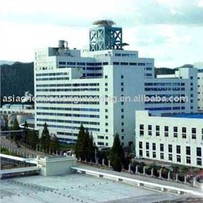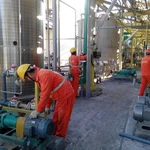


Asia Chemical Engineering Co., Ltd. is one of the most reliable manufacturers and suppliers of phosphoric acid pilot plant in China. Please rest assured to wholesale cost-efficient phosphoric acid pilot plant from our factory. Good service and reasonable price are available.
Products Description
A phosphoric acid pilot plant is a small-scale facility that is used to test and optimize the process of extracting phosphoric acid from phosphate rock. Phosphoric acid is an important chemical that is used in the production of fertilizers, animal feed, food additives, and other industrial products. A phosphoric acid pilot plant can help to determine the best conditions for producing high-quality and low-cost phosphoric acid, as well as to evaluate the environmental and economic impacts of the process.
A phosphoric acid pilot plant typically consists of several units, such as:
A grinding and classification unit that reduces the size of the phosphate rock and separates it into different fractions.
A leaching unit that dissolves the phosphate rock in sulfuric acid to produce phosphoric acid and gypsum.
A filtration unit that separates the phosphoric acid solution from the gypsum solids.
A purification unit that removes impurities, such as iron, aluminum, fluoride, and organic matter, from the phosphoric acid solution.
A concentration unit that evaporates water from the phosphoric acid solution to increase its strength and density.
A crystallization unit that produces solid products, such as ammonium phosphate, urea phosphate, or calcium phosphate, from the concentrated phosphoric acid solution.

Potassium Sulphate is a widely used chemical compound in various industries, from agriculture to pharmaceuticals. Its high solubility and low salt index make it an ideal choice for fertilizers, feed supplements, and other applications. To meet the demand for high-quality Potassium Sulphate, advanced production equipment is required, and Asia Chemical Engineering Co.,Ltd in Hangzhou, China, has the solution.

Phosphoric acid is one of the most important basic chemicals in the chemical industry. It is widely used in the production of fertilizers, detergents, food processing, and pharmaceuticals. As such, the production of high-quality phosphoric acid equipment is critical to the industry. That's where Asia Chemical Engineering Co., Ltd comes in.

As innovation and product development continue to fuel growth in various industries, having access to cutting-edge technology is more important than ever. For researchers and manufacturers who are looking to create new products in the fields of agriculture, food, and pharmaceuticals, it offers a perfect solution.
Production equipment
1. Competitive Affordability:Our detergent powder plant machinery comes at a price that ensures excellent value, allowing you to invest in high-quality equipment without straining your budget.
2. Robust Performance:Experience reliable and consistent production with our machinery. Designed for efficiency, our equipment minimizes downtime and maximizes output, boosting your overall productivity.
3. Advanced Technology:Benefit from cutting-edge features and innovations integrated into our machinery. This technology ensures precision, automation, and ease of operation, enhancing your production process.
4. Low Operating Costs: Our machinery is engineered for energy efficiency and reduced maintenance requirements, resulting in lower operational expenses over time. This cost-effective approach maximizes your profitability.

FAQ
- What is a Phosphoric Acid Pilot Plant, and what is its purpose in the industrial context?
- How does a Phosphoric Acid Pilot Plant aid in the development and improvement of phosphoric acid production processes?
- What are the key components and equipment typically found in a Phosphoric Acid Pilot Plant?
- How does the scale of a Phosphoric Acid Pilot Plant differ from that of a full-scale production facility?
- What are the main objectives of conducting experiments in a Phosphoric Acid Pilot Plant?
- How is the data and information gathered from a Phosphoric Acid Pilot Plant used in the design and construction of a full-scale production facility?
- What are some of the challenges associated with scaling up from a pilot plant to a full-scale Phosphoric Acid production facility?
- Are there variations in the design and setup of Phosphoric Acid Pilot Plants based on the intended production methods (e.g., wet process, thermal process)?
- How long does a typical experiment or trial run last in a Phosphoric Acid Pilot Plant, and what factors influence the duration of these experiments?
- How is safety ensured during experiments in a Phosphoric Acid Pilot Plant, considering the potential hazards associated with phosphoric acid production?
- Can a Phosphoric Acid Pilot Plant simulate real-world conditions accurately, including impurities and contaminants often encountered in industrial phosphoric acid production?
- Are there any specific environmental considerations or sustainability aspects taken into account when operating a Phosphoric Acid Pilot Plant?
- How does the cost of operating a Phosphoric Acid Pilot Plant compare to a full-scale production facility, considering the smaller scale and different objectives?
- What role does automation and control systems play in a Phosphoric Acid Pilot Plant, and how does it enhance efficiency and accuracy?
- How are the results and findings obtained from a Phosphoric Acid Pilot Plant communicated and shared within an organization for decision-making and process improvement?
- Can a Phosphoric Acid Pilot Plant be used for research and development of novel phosphoric acid production technologies beyond traditional methods?
- What are the regulatory and compliance considerations when operating a Phosphoric Acid Pilot Plant, especially concerning health, safety, and environmental standards?
- Are there specialized skills or expertise required to operate and conduct experiments in a Phosphoric Acid Pilot Plant, and how is the workforce typically trained?
- Can the findings from a Phosphoric Acid Pilot Plant be applied to other areas of chemical engineering or industrial processes, or are they specific to phosphoric acid production?
- In what ways does the data and experience gained from a Phosphoric Acid Pilot Plant contribute to the advancement of phosphoric acid production technology globally, and how does it influence industry practices and standards?
1. What is a Phosphoric Acid Pilot Plant, and what is its purpose in the industrial context?
A Phosphoric Acid Pilot Plant is a small-scale facility designed to replicate and test the processes involved in the production of phosphoric acid at a larger scale. Its purpose is to conduct experiments, optimize conditions, and gather data necessary for scaling up the production process.
2. How does a Phosphoric Acid Pilot Plant aid in the development and improvement of phosphoric acid production processes?
The pilot plant allows researchers and engineers to experiment with various parameters, materials, and technologies on a smaller scale before implementing them in a full-scale production plant. This helps in refining the process for efficiency, cost-effectiveness, and environmental sustainability.
3. What are the key components and equipment typically found in a Phosphoric Acid Pilot Plant?
A Phosphoric Acid Pilot Plant typically includes reactors, scrubbers, evaporators, condensers, pumps, analyzers, and various monitoring and control instruments to simulate and monitor the phosphoric acid production process.
4. How does the scale of a Phosphoric Acid Pilot Plant differ from that of a full-scale production facility?
A pilot plant is smaller in scale, typically with a capacity ranging from a few kilograms to a few tons, whereas a full-scale production facility produces phosphoric acid on a much larger scale, often in thousands of tons.
5. What are the main objectives of conducting experiments in a Phosphoric Acid Pilot Plant?
The objectives include optimizing reaction conditions, assessing the efficiency of different catalysts, evaluating energy consumption, minimizing waste generation, and ensuring the final product meets desired specifications.
6. How is the data and information gathered from a Phosphoric Acid Pilot Plant used in the design and construction of a full-scale production facility?
Data on reaction kinetics, heat transfer, material flow, and process efficiency collected from the pilot plant helps in developing accurate models and scaling up the equipment and processes for the full-scale facility.
7. What are some of the challenges associated with scaling up from a pilot plant to a full-scale Phosphoric Acid production facility?
Challenges may include variations in material properties, different heat and mass transfer characteristics, and unexpected issues that may arise when transitioning to a larger scale, requiring adjustments in design and operation.
8. Are there variations in the design and setup of Phosphoric Acid Pilot Plants based on the intended production methods (e.g., wet process, thermal process)?
Yes, the design and setup may vary based on the intended production method, such as the wet process or thermal process, each having its specific requirements and configurations.
9. How long does a typical experiment or trial run last in a Phosphoric Acid Pilot Plant, and what factors influence the duration of these experiments?
Experiment duration can vary widely, ranging from a few hours to several weeks, depending on the specific objectives, reaction kinetics, required data, and the complexity of the process being studied.
10. How is safety ensured during experiments in a Phosphoric Acid Pilot Plant, considering the potential hazards associated with phosphoric acid production?
Strict safety protocols, proper training of personnel, protective equipment, emergency response plans, and adherence to regulatory guidelines are essential to ensure the safety of personnel and the facility.
11. Can a Phosphoric Acid Pilot Plant simulate real-world conditions accurately, including impurities and contaminants often encountered in industrial phosphoric acid production?
Yes, efforts are made to replicate real-world conditions, including impurities, to accurately model the behavior of the process and assess the impact of impurities on the final product.
12. Are there any specific environmental considerations or sustainability aspects taken into account when operating a Phosphoric Acid Pilot Plant?
Yes, sustainability aspects like energy efficiency, waste minimization, and environmental impact assessments are considered during the design and operation of the pilot plant to align with sustainable practices.
13. How does the cost of operating a Phosphoric Acid Pilot Plant compare to a full-scale production facility, considering the smaller scale and different objectives?
The operating cost of a pilot plant is relatively lower due to its smaller scale and reduced production capacity compared to a full-scale facility. However, the cost per unit of output is higher in a pilot plant.
14. What role does automation and control systems play in a Phosphoric Acid Pilot Plant, and how does it enhance efficiency and accuracy?
Automation and control systems enable precise control of parameters, real-time monitoring, data acquisition, and the ability to make rapid adjustments, enhancing process efficiency, accuracy, and data quality.
15. How are the results and findings obtained from a Phosphoric Acid Pilot Plant communicated and shared within an organization for decision-making and process improvement?
Results and findings are typically documented, analyzed, and presented in detailed reports, which are shared with relevant stakeholders, including engineers, researchers, and management, to inform decision-making and guide process improvements.
16. Can a Phosphoric Acid Pilot Plant be used for research and development of novel phosphoric acid production technologies beyond traditional methods?
Yes, a pilot plant serves as an ideal platform for researching and developing innovative technologies, exploring alternative feedstocks, or optimizing existing processes to enhance sustainability and efficiency.
17. What are the regulatory and compliance considerations when operating a Phosphoric Acid Pilot Plant, especially concerning health, safety, and environmental standards?
Compliance with local, national, and international health, safety, and environmental regulations is crucial. This includes permits, safety protocols, waste management, and emissions control to ensure the plant operates within legal boundaries.
18. Are there specialized skills or expertise required to operate and conduct experiments in a Phosphoric Acid Pilot Plant, and how is the workforce typically trained?
Yes, specialized knowledge in chemical engineering, process optimization, safety protocols, and analytical techniques is essential. Workforce training involves theoretical knowledge, hands-on practice, and familiarity with the specific equipment and processes in the pilot plant.
19. Can the findings from a Phosphoric Acid Pilot Plant be applied to other areas of chemical engineering or industrial processes, or are they specific to phosphoric acid production?
The findings and techniques developed in a pilot plant can often be applied or adapted to other chemical engineering processes, especially those involving similar reaction kinetics, material flow, or thermal considerations.
20. In what ways does the data and experience gained from a Phosphoric Acid Pilot Plant contribute to the advancement of phosphoric acid production technology globally, and how does it influence industry practices and standards?
The data and experience gained contribute by improving efficiency, reducing environmental impact, and driving innovation. It influences industry practices by setting benchmarks, shaping standards, and inspiring advancements in phosphoric acid production technology worldwide.
Hot Tags: phosphoric acid pilot plant, China, manufacturers, suppliers, factory, wholesale, price, profession, cost, Thermal Phosphoric Acid Manufacturing Plant, Wet Process Phosphoric Acid Plant H3PO4 Plant, Phosphoric Acid Plant Phosphoric Acid Project, Phosphoric Acid Concentration Plant, thermal process phosphoric acid equipment, phosphoric acid production line