


Sodium tripolyphosphate (STPP) is a widely used industrial phosphate that has various applications in the detergent, water treatment, ceramic, paint, varnish and other industries. STPP is mainly used as a component for the production of synthetic detergents, which are lightweight puffed powders with good free-flowing property and high cleaning efficiency.
To produce such synthetic detergent powders, a spray drying process is required. This process involves transforming the base raw materials (such as LABSA, caustic lye, sodium silicate solution, soda ash light, sodium sulfate anhydrous, STPP, etc.) into a detergent slurry, which is then sprayed from nozzles in a tower to form atomized droplets. The droplets are dehydrated by hot air and fall down as hollow particles, forming a semi-finished base powder.
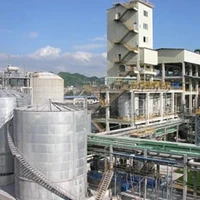
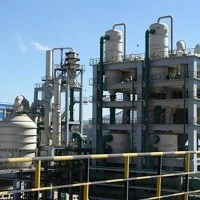
The spray drying process requires specialized equipment that can handle the high temperature, pressure and capacity of the operation. The spray drying towers are immense constructions that measure 3-12 meters in diameter and 20-35 meters in height. The output capacity ranges from 1 ton/hour to 30 tons/hour.
One of the leading providers of STPP production equipment is STPP Group, which offers a full package of solutions for synthetic detergent powder production plants. STPP Group provides services such as designing, establishing, technology transferring, staff training and raw material supplying, along with lifetime technical support.
STPP Group also produces high-quality STPP products in various grades of powder and granular type. The company uses apatite concentrate from the Khibiny deposits, which is one of the purest natural materials in the world with high phosphorus content and low levels of heavy metals. This contributes to the production of the highest quality products.
STPP production equipment is a key solution for the detergent industry, as it enables the production of synthetic detergent powders that are effective, economical and environmentally friendly. STPP Group is a reliable partner for customers who want to start or expand their own production of synthetic detergent powders.


