



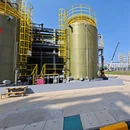
Potassium sulfate plants are facilities that produce potassium sulfate, an inorganic compound that is widely used as a fertilizer for various crops, such as fruits, vegetables, tobacco, and others. Potassium sulfate is also known as sulfate of potash (SOP), and it contains sulfuric acid and potassium. It is a white crystalline powder that is odorless and has a saline-like taste. Potassium sulfate has several advantages over other types of fertilizers, such as low chloride content, high potassium content, high solubility, and high purity.
The Potassium Sulfate Plants industry is driven by the increasing demand for potassium sulfate in the global market.
The growing population, urbanization, industrialization, and environmental pollution have resulted in the scarcity and deterioration of water and soil resources. This has led to the implementation of stringent regulations and standards for agricultural production and quality in many countries. These regulations require the adoption of efficient and reliable fertilizers to ensure the safety and performance of crops.
The Potassium Sulfate Plants industry is also influenced by the technological innovation and development of new production methods and systems. The industry is constantly evolving to meet the changing needs and expectations of customers and end-users.
The emergence of new technologies, such as Mannheim process, sulfate salts reaction process, brine process, and others, has enabled the development of high-quality and low-cost potassium sulfate products. Moreover, the adoption of digital technologies, such as sensors, automation, artificial intelligence, and cloud computing, has enhanced the efficiency and reliability of potassium sulfate plants by enabling real-time monitoring, remote control, predictive maintenance, and data analysis.


