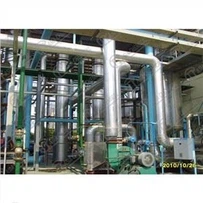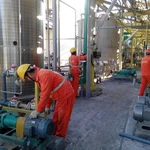
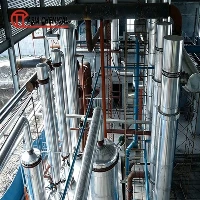

Asia Chemical Engineering Co., Ltd. is one of the most reliable manufacturers and suppliers of so3 sulfonation plant in China. Please rest assured to wholesale cost-efficient so3 sulfonation plant from our factory. Good service and reasonable price are available.
Asia Chemical: Your Trusted Engineering Partner for SO3 Sulfonation Plants
Asia Chemical is a globally recognized professional engineering company. Our team has over 40 years of collective experience in the engineering and installation of industrial facilities. We use the latest control technology and equipment to provide our clients with efficient, reliable, and controlled production processes.
One of our most advanced industrial facilities is the SO3 Sulfonation Plant. It's specifically designed for the production of sulfonic acids using SO3 gas. Our plant ensures high purity and precision in sulfonation processes, making it an essential component in a wide range of industries.
Sulfonic acids are essential in the manufacture of detergents, surfactants, and other chemical products. The traditional method of producing sulfonic acids involves the use of oleum, a highly corrosive and hazardous acid, which requires a complex and expensive disposal process. Our SO3 Sulfonation Plant operates with SO3 gas, which is produced from the oxidation of SO2 gas or sulfur by pyrite burning. It not only reduces the risk to workers and the environment, but it also allows for more flexible plant configurations, leading to improved production efficiency and cost savings.
Our SO3 Sulfonation Plant is designed to be fully automated, with intelligent control systems to guarantee reliable and predictable operations. The controls are implemented using our proprietary software, which is tailored to the requirements of each client, ensuring that they receive a customized solution for their specific needs.
We understand that each client has unique requirements and constraints for their operation. Therefore, we work closely with our clients to develop a solution that meets their objectives while remaining within budget and on schedule. We handle everything from conceptual design to commissioning and training, ensuring that our clients receive a solution that is seamless, hassle-free, and exceeds their expectations.
In conclusion, our SO3 Sulfonation Plant is a state-of-the-art industrial facility that provides efficient and controlled production of sulfonic acids. We believe that our experience, technology, and commitment to quality make us the ideal engineering partner for your next project. Contact us today to learn more about our capabilities and how we can help you achieve your production goals
The sulphuric acid plant equipment is composed of following Processing units:
|
|
— Air drying |
|
|
— Sulfur melting and dosing |
|
|
— Sulfur burning and SO3 generation |
|
|
— Sulphonation/sulfation |
|
|
— Neutralization |
|
|
— Exhaust gas treatment |


Our product advantages:
Customized solutions: We are able to provide customized SO3 sulfonation equipment according to customers' specific needs to meet the requirements of different industries and applications.
Sustainability: We focus on environmental protection and sustainability, and strive to reduce the impact of the production process on the environment and comply with international standards and regulations.

Related Products

The production line utilizes advanced chemical reaction technology to produce Sodium Silicate Solution and Metasilicate Acid Solution, which are then mixed in precise proportions to produce the desired Metasilicate Sodium Silicate. The process is simple and efficient, reducing labor requirements and enhancing productivity.

Sulphonation Plants are characterized by their user-friendly operation, precise measurement capabilities, and well-structured system framework. These plants are designed to simplify the operation process, ensuring ease of use and minimizing the potential for human error.

Sulphonation Production Line is an advanced manufacturing system for the production of sulphonated compounds used in various industries, such as detergents and chemicals. It enables precise control and customization of the sulphonation process, ensuring high-quality and efficient production.
Products Appliacation Introduction
SO3 Sulfonation Plant is a device used to produce sulfonate, which is an important class of chemical compounds with a wide range of applications. The following are the main application areas of SO3 Sulfonation Plant:
Daily necessities and cleaning agents: SO3 Sulfonation Plant plays an important role in the production of daily necessities and cleaning agents. Sulfonates are the main ingredients in products such as detergents, shampoos, soaps and dish soaps. By adjusting the structure and properties of sulfonates, different types of cleaners can be obtained to meet various cleaning needs.
Petrochemical industry: Sulfonates are used in the petrochemical industry to prepare various surfactants for emulsification, dispersion and stabilization in oil mining and refining processes. Additionally, they are used to improve oilfield water flooding and enhance oil recovery.
Agriculture and Pesticides: Sulfonates are used in agriculture to produce pesticides and fertilizers to increase crop growth and yields. They also act as soil conditioners, improving soil properties.
Pharmaceutical Manufacturing: In the pharmaceutical industry, sulfonates are used in the synthesis of drugs and pharmaceutical intermediates. They play important chemical and biological roles in pharmaceuticals.
Food Industry: Sulfonates are used in the food industry as preservatives and antioxidants to extend the shelf life of food. They can also be used in beverage manufacturing to adjust mouthfeel and flavor.
Textile and Dye Industry: Sulfonates are used in the dyeing and finishing processes in the textile industry to help dyes adhere firmly to fibers and improve color persistence.
Environmental protection and water treatment: Sulfonates are used in water treatment to remove metal ions, organic matter and particulate matter to improve water quality and meet environmental standards.
Construction and Concrete Industry: Sulfonates are used in the preparation of concrete admixtures to help control the setting time of concrete and increase the compressive strength.
Quality Assurance: We strictly follow international standards and implement strict quality control procedures to ensure that our products meet the highest quality standards.
Environmental protection and sustainability: We pay attention to environmental protection and sustainability and adopt environmentally friendly production methods to reduce the impact of the production process on the environment.

FAQ:
What is the primary purpose of the SO3 Sulfonation Plant?
Why are sulfonic acids significant in various industries?
What distinguishes the traditional method of sulfonic acid production from the SO3 Sulfonation Plant's method?
How is SO3 gas produced for the Sulfonation Plant?
What are the advantages of using SO3 gas in sulfonic acid production?
What makes the disposal process of oleum complex and expensive?
How does the SO3 Sulfonation Plant contribute to environmental safety?
What industries benefit the most from the production of sulfonic acids?
What kind of operations can be improved by using sulfonic acids in the manufacturing process?
What role does automation play in the SO3 Sulfonation Plant's operation?
How are the operations of the SO3 Sulfonation Plant controlled and monitored?
Why is customization important in the operation of the Sulfonation Plant?
What advantages does intelligent control bring to the Sulfonation Plant?
What makes SO3 Sulfonation Plant a safer choice for workers?
What kind of industries benefit from the reduction in hazardous materials use in the Sulfonation Plant?
How does the plant's automation contribute to cost savings?
In what ways does the Sulfonation Plant enhance production efficiency?
What role does sulfonic acid play in detergent production?
How does the plant's intelligent control system ensure reliable and predictable operations?
Can you provide an example of a specific industry where the SO3 Sulfonation Plant has made a significant impact?
What is the primary purpose of the SO3 Sulfonation Plant?
The primary purpose is to produce sulfonic acids using SO3 gas.
Why are sulfonic acids significant in various industries?
Sulfonic acids are crucial for manufacturing detergents, surfactants, and other chemical products.
What distinguishes the traditional method of sulfonic acid production from the SO3 Sulfonation Plant's method?
The traditional method of sulfonic acid production typically relies on oleum, a highly corrosive and hazardous acid. This process involves complex and expensive disposal methods for oleum and poses significant risks to workers and the environment. In contrast, the SO3 Sulfonation Plant employs SO3 gas, produced from the oxidation of SO2 gas or sulfur via pyrite burning. This substitution not only reduces risks and environmental impact but also allows for more flexible plant configurations, ultimately enhancing production efficiency and cost-effectiveness.
How is SO3 gas produced for the Sulfonation Plant?
SO3 gas is produced from the oxidation of SO2 gas or sulfur via pyrite burning.
What are the advantages of using SO3 gas in sulfonic acid production?
The advantages of using SO3 gas in sulfonic acid production are multifold. SO3 gas is safer to handle, reducing risks to workers and the environment. It allows for more flexible plant configurations, enhancing production efficiency and cost savings. Additionally, it minimizes the need for complex and expensive disposal methods associated with hazardous oleum. Overall, SO3 gas is a safer, more environmentally friendly, and cost-effective choice for sulfonic acid production.
What makes the disposal process of oleum complex and expensive?
The disposal process of oleum is complex and expensive due to its highly corrosive and hazardous nature, requiring specialized and costly handling and disposal methods to mitigate environmental and safety risks.
How does the SO3 Sulfonation Plant contribute to environmental safety?
It reduces the use of hazardous chemicals and minimizes environmental impact.
What industries benefit the most from the production of sulfonic acids?
Industries such as detergents, cleaning products, and petrochemicals rely heavily on sulfonic acids.
What kind of operations can be improved by using sulfonic acids in the manufacturing process?
Sulfonic acids play a crucial role in operations that involve the production of detergents, cleaning products, and petrochemicals. These acids are used as key ingredients in formulations, contributing to their effectiveness in emulsifying, dispersing, and cleaning. Their surface-active properties make them invaluable in processes where surface tension reduction, foaming, and wetting are essential, resulting in improved manufacturing efficiency and product performance in these industries.
What role does automation play in the SO3 Sulfonation Plant's operation?
The plant is fully automated, ensuring precise and reliable processes.
How are the operations of the SO3 Sulfonation Plant controlled and monitored?
Intelligent control systems and proprietary software are used for monitoring and control.
Why is customization important in the operation of the Sulfonation Plant?
Different clients have varying requirements, and customization ensures the plant meets their specific needs.
What advantages does intelligent control bring to the Sulfonation Plant?
It enhances efficiency, accuracy, and the ability to adapt to changing production demands.
What makes SO3 Sulfonation Plant a safer choice for workers?
The SO3 Sulfonation Plant is a safer choice for workers primarily because it replaces the traditional use of oleum, a highly corrosive and hazardous acid, with SO3 gas. SO3 gas is less dangerous to handle and reduces the risk of exposure to harmful chemicals. By minimizing potential health hazards and providing a safer working environment, the plant prioritizes the well-being of workers, making it a safer choice in the production of sulfonic acids.
What kind of industries benefit from the reduction in hazardous materials use in the Sulfonation Plant?
Industries where worker safety and environmental responsibility are paramount.
How does the plant's automation contribute to cost savings?
The plant's automation contributes to cost savings by reducing labor costs, minimizing human error, and optimizing processes. It ensures precise and consistent operations, leading to increased production efficiency and a decrease in production-related errors. Additionally, the automation allows for real-time monitoring and adjustments, enhancing overall operational efficiency and resource utilization. These factors collectively result in significant cost savings for the plant's operations.
In what ways does the Sulfonation Plant enhance production efficiency?
It allows for more flexible plant configurations, precise control, and real-time adjustments.
What role does sulfonic acid play in detergent production?
Sulfonic acid is a key ingredient in detergent formulations, contributing to their cleaning effectiveness.
How does the plant's intelligent control system ensure reliable and predictable operations?
The plant's intelligent control system ensures reliable and predictable operations by continuously monitoring and adjusting key process parameters in real-time. It responds to variations and maintains optimal conditions, preventing deviations and potential issues. This results in consistent and high-quality production, reduces the likelihood of downtime, and ensures that the plant can meet production targets with precision, enhancing reliability and predictability in its operations.
Can you provide an example of a specific industry where the SO3 Sulfonation Plant has made a significant impact?
The SO3 Sulfonation Plant has made a significant impact in the detergent manufacturing industry. By offering a safer and more efficient method for sulfonic acid production, it has revolutionized detergent production, ensuring high-quality and safe formulations, while reducing production costs and environmental impact. This impact extends to industries dependent on surface-active agents, foaming, and cleaning products.
Hot Tags: so3 sulfonation plant, China, manufacturers, suppliers, factory, wholesale, price, profession, cost, Sulphonation Production, Sulfuric Acid Production Plants, Sulphonation Reactor, Absorption Tower Sulphuric Acid Plant, SO3 Sulfonation production line, wholesale Sulfonation equipment