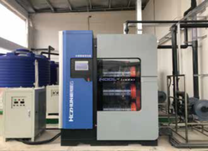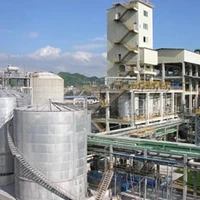
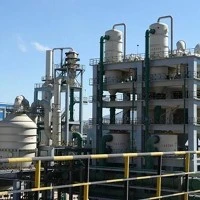
60 TPD 13% Sodium Hypochlorite Plant
A 60 TPD 13% Sodium Hypochlorite Plant is an industrial chemical production system designed to manufacture approximately 60 tons per day of sodium hypochlorite solution at a target concentration of 13%. For a turnkey project, the plant normally requires more than a sodium hypochlorite reactor. It may include a complete chlor-alkali electrolysis section, salt dissolution and brine purification, chlorine and hydrogen handling, caustic soda management, hydrochloric acid synthesis, sodium hypochlorite production, storage, filling, electrical systems, and PLC or DCS-based process control.
Brine Purification & Membrane Electrolysis Section
The core production route generally starts with salt dissolution and brine purification. Industrial-grade sodium chloride is dissolved in water to prepare saturated or near-saturated brine, which is then treated to remove impurities such as calcium, magnesium, iron, and suspended solids. High-purity brine is important for membrane electrolysis because contaminants can affect membrane performance, electrode operation, and cell voltage.
Anode Compartment
Purified brine is supplied to the anode compartment, where chloride ions are oxidized to produce chlorine gas.
Cathode Compartment
Water is supplied to the cathode side, where hydrogen and sodium hydroxide are generated.
Ion-Exchange Membrane
Sodium ions pass through the ion-exchange membrane while the membrane separates the anode and cathode products.
13% Sodium Hypochlorite Synthesis & Reaction Control
For a 13% sodium hypochlorite production process, chlorine generated by the electrolyzer is cooled and conditioned before being introduced into the absorption and reaction section. The chlorine is absorbed into a controlled alkaline solution to form sodium hypochlorite. Reaction temperature, chlorine-to-caustic ratio, pH, residence time, and cooling capacity all affect the final concentration and product stability. Excessive temperature or uncontrolled chlorine loading can promote decomposition and formation of unwanted chlorate.
Therefore, a commercial-scale plant normally includes a dedicated hypochlorite reactor or absorption system, circulation pumps, heat exchangers or chilled-water systems, instrumentation, and concentration control. The final product is then transferred to storage tanks designed for sodium hypochlorite service.
Equipment Sizing & Material Selection
Equipment selection for a 60 TPD plant should be based on the material balance rather than simply selecting a nominal production capacity. A typical turnkey configuration can include a salt handling and dissolution system, brine purification unit, membrane electrolyzers, DC rectifiers and transformers, chlorine cooling and drying equipment, hydrogen separation and treatment equipment, caustic soda handling equipment, HCl synthesis equipment when hydrochloric acid is required, sodium hypochlorite reactors or absorbers, cooling systems, storage tanks, pumps, dosing systems, ventilation, safety equipment, and an automated control system.
Utility Requirements & Power Balance
Utility requirements are another major factor in plant design. Electrical power consumption is strongly influenced by electrolyzer technology, current density, cell voltage, rectifier efficiency, operating temperature, and the required production rate. The project should therefore calculate the DC power requirement for the electrolyzers separately from the total plant electrical load.
Other utilities may include raw water, treated water, cooling water or chilled water, compressed air, ventilation, and instrument air. Salt consumption should also be calculated from the required chlorine and sodium hydroxide production, while hydrogen generation needs to be considered when sizing gas handling and safety systems. A detailed utility balance should be included in the technical proposal so that the buyer can evaluate transformer capacity, cooling-system sizing, water demand, operating costs, and site infrastructure requirements.
Plant Layout & Hazardous Area Separation
For a turnkey 60 TPD sodium hypochlorite plant, the layout should provide logical separation between salt and brine preparation, electrolysis, chlorine handling, hypochlorite synthesis, chemical storage, filling, utilities, electrical rooms, and control rooms. Chlorine and hydrogen systems require particular attention to ventilation, gas detection, pressure control, emergency shutdown, and hazardous-area considerations.
Sodium hypochlorite storage tanks should be designed according to concentration, temperature, residence time, and decomposition characteristics. The plant should also allow sufficient access around major equipment for inspection, membrane-cell maintenance, pump replacement, instrumentation servicing, and future capacity expansion. A preliminary layout and equipment footprint are therefore essential parts of the engineering package.
Procurement & RFQ Evaluation Package
From a procurement perspective, the 60 TPD 13% Sodium Hypochlorite Plant should be evaluated through a complete process and commercial package rather than equipment price alone. The RFQ should request a process flow diagram, mass balance, utility consumption, equipment list, equipment specifications, electrical load list, instrumentation list, plant layout, foundation requirements, storage capacity, spare-parts list, installation scope, commissioning procedure, operator training, and delivery schedule.
If the project also requires NaOH, HCl, and hydrogen as co-products, the supplier should provide a complete chlor-alkali material balance showing how these streams are generated, consumed, stored, or further processed. This approach allows the buyer to compare different membrane electrolysis technologies and turnkey suppliers on the same technical basis while reducing the risk of under-sized utilities or incompatible downstream equipment.