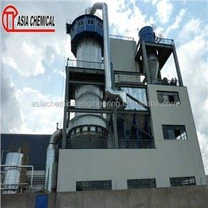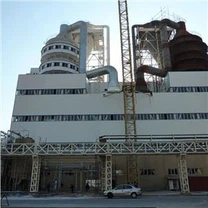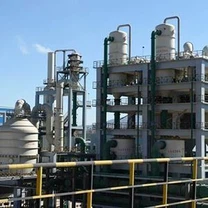
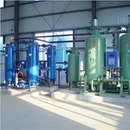
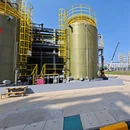
The 2025 SO₃ sulphonation plant represents a pivotal advancement in the chemical industry, focusing on efficiency, sustainability, and technological integration. This article provides an in-depth analysis of the plant's technical specifications, market dynamics, environmental considerations, and future trends, aligning with the latest industry developments and regulatory requirements.
1. Technical Overview of SO₃ Sulphonation Technology
2. Market Trends and Applications
3. Environmental and Regulatory Challenges
4. Technological Innovations in 2025
5. Case Studies and Industry Leaders
1. Technical Overview of SO₃ Sulphonation Technology
Sulphonation, a cornerstone in the chemical manufacturing landscape, is a pivotal process primarily harnessed for the production of surfactants, detergents, and a wide array of specialty chemicals. At its core, sulphonation involves the introduction of a sulfo group (-SO₃H) or a sulfonate group (-SO₃⁻) into organic compounds, fundamentally altering their chemical properties and endowing them with valuable functionalities. This transformation occurs through a carefully orchestrated reaction mechanism, where the sulfonating agent, typically sulfur trioxide (SO₃) in modern industrial settings, acts as the key reagent to initiate the process. The reaction unfolds as SO₃ molecules interact with specific reactive sites on organic substrates, triggering a series of chemical bonds rearrangements that culminate in the formation of sulfonic acids or sulfonates. This molecular-level interaction is not only a testament to the precision of chemical engineering but also forms the basis for creating products with tailored characteristics essential for various applications.
The SO₃ sulphonation plant serves as the technological epicenter where this intricate chemical reaction is scaled up for industrial production. By employing sulfur trioxide as the sulfonating agent, these plants leverage the unique reactivity of SO₃ to drive the sulphonation process forward with remarkable efficiency. SO₃, a highly reactive and versatile compound, readily engages with a broad spectrum of organic compounds, including linear alkylbenzene, fatty alcohols, and α-olefins. When introduced to these organic substrates within the controlled environment of the sulphonation plant, SO₃ initiates a chemical transformation that results in the formation of sulfonic acids or sulfonates. The design of the SO₃ sulphonation plant is meticulously engineered to optimize this reaction, incorporating advanced reactor systems, precise temperature and pressure control mechanisms, and efficient mass transfer processes. These elements work in tandem to ensure that the reaction proceeds smoothly, maximizing the yield of desired products while minimizing the formation of unwanted byproducts.
One of the most compelling aspects of the SO₃ sulphonation process is its exceptional efficiency, which stems from its stoichiometric nature. In a stoichiometric reaction, the reactants combine in precise proportions according to the balanced chemical equation, ensuring that all the reactants are consumed to form products without any significant excess or waste. In the case of SO₃ sulphonation, the reaction between sulfur trioxide and organic compounds adheres closely to stoichiometry, enabling the conversion of raw materials into valuable sulfonated products with minimal losses. This not only enhances the economic viability of the process by reducing raw material costs but also contributes to its environmental sustainability by minimizing waste generation. Additionally, the minimal waste produced in SO₃ sulphonation is often in the form of byproducts that can be further processed or recycled, further reducing the environmental impact of the manufacturing process.
Another significant advantage of the SO₃ sulphonation process is its remarkable compatibility with diverse feedstocks. The ability to react with a wide range of organic compounds makes it a highly versatile technique, suitable for producing a multitude of sulfonated products tailored to specific applications. Whether it's the production of surfactants for detergents, emulsifiers for the food industry, or specialty chemicals for pharmaceuticals and cosmetics, the SO₃ sulphonation process can be adapted to utilize different feedstocks to meet the varying demands of these industries. This versatility not only expands the scope of products that can be manufactured but also allows for the customization of product properties, such as solubility, surface activity, and biodegradability, by selecting the appropriate organic substrates and reaction conditions. As a result, the SO₃ sulphonation process plays a crucial role in driving innovation and product development across multiple sectors of the chemical industry.
Core Components and Processes
SO₃ Generation:
Sulfur is melted, burned in excess air to produce SO₂, and catalytically oxidized to SO₃. The process integrates waste heat recovery systems to generate steam, reducing energy consumption.
Advanced designs, such as Weixian's multi-tube falling film reactor, ensure uniform SO₃ distribution and precise temperature control, critical for minimizing side reactions like dioxane formation in SLES production.
Sulphonation Reactor:
The reactor, typically a stainless steel multi-tube film reactor, facilitates co-current flow of SO₃ and organic feedstock. Key innovations include:
Tube design: High-precision rolling and oxygen-free annealing processes ensure uniform heat transfer and surface finish, reducing dioxane content by 30–50% compared to traditional reactors.
Sealing technology: Double-layered gaskets (e.g., Teflon and fluororubber) prevent SO₃ leakage and enhance operational safety.
Exhaust Gas Treatment:
Electrostatic precipitators (ESPs) and scrubbers remove SO₃ mist and organic residues, ensuring emissions comply with EU REACH and China's "14th Five-Year Plan" environmental standards.
Neutralization and Downstream Processing:
Acidic products (e.g., LABSA, AES) are neutralized with caustic soda. For SLES production, additional steps like dioxane stripping and hydrolysis (for AOS) ensure product quality and meet cosmetic industry standards.
Process Control and Automation
PLC/DCS systems monitor real-time parameters (e.g., temperature, flow rates, density) to optimize yield and safety.
Predictive maintenance using IoT sensors reduces downtime and enhances equipment lifespan.
2. Market Trends and Applications
The global sulphonation market is projected to grow at a CAGR of 10.2% from 2023 to 2025, driven by rising demand for detergents, personal care products, and oilfield chemicals. Key trends include:
Regional Growth Dynamics
Asia-Pacific dominates, with China and India accounting for over 40% of global demand due to industrialization and consumer upgrades.
North America and Europe focus on premium products (e.g., biodegradable surfactants) and compliance with strict environmental regulations.
Product Portfolio Expansion
Linear Alkylbenzene Sulfonate (LAS):
Widely used in laundry detergents, LAS remains the largest segment, with a 70% market share in 2025.
Alpha Olefin Sulfonate (AOS):
Gains traction in eco-friendly detergents due to its high biodegradability and low skin irritation.
Sulphated Ethoxylated Lauryl Alcohol (SLES):
A key ingredient in shampoos and liquid soaps, SLES production benefits from optimized reactors with reduced dioxane levels.
Emerging Applications:
Green surfactants (e.g., sugar-based sulfonates) and specialty chemicals (e.g., pharmaceutical intermediates) are growing at 15% annually.
Industrial Demand Drivers
Detergents: Global demand for laundry and household cleaners is projected to reach 2.1 billion metric tons by 2025.
Oil and Gas: Sulfonates are critical for enhanced oil recovery (EOR) in shale gas extraction, with North American demand expected to exceed 55,000 tons by 2025.
Personal Care: Mild surfactants for skincare and haircare products drive innovation in low-irritation formulations.
3. Environmental and Regulatory Challenges
The sulphonation industry faces increasing pressure to adopt sustainable practices and comply with evolving regulations.
Key Environmental Concerns
Waste Management:
Sulfuric acid byproducts and spent catalysts require proper disposal. Advanced plants integrate closed-loop systems to recycle water and reduce wastewater by 50%.
Energy Efficiency:
Green technologies like enzymatic catalysis and supercritical fluid extraction reduce energy consumption by 30% and cut CO₂ emissions.
VOC Emissions:
Strict limits on volatile organic compounds (VOCs) under the EU REACH and U.S. EPA regulations necessitate improved exhaust gas treatment systems.
Regulatory Compliance
China's 14th Five-Year Plan: Mandates a 20% reduction in energy intensity for sulphonation plants by 2025.
EU REACH Annex XVII: Restricts the use of certain sulfonates, pushing manufacturers toward biodegradable alternatives.
U.S. EPA Toxics Release Inventory (TRI): Requires reporting of SO₃ and sulfonic acid emissions, driving transparency and accountability.
4. Technological Innovations in 2025
Advanced Reactors and Catalysts
Multi-tube Film Reactors: Weixian's optimized design reduces reactor downtime by 20% and improves product uniformity.
Enzymatic Catalysis: Pilot-scale applications of peroxidase enzymes for lignin sulfonation demonstrate reduced chemical usage and waste.
Supercritical CO₂ Technology: Emerging as a green alternative for sulfonation, eliminating the need for organic solvents.
Digitalization and Industry 4.0
AI-Powered Process Optimization: Machine learning algorithms predict optimal reaction conditions, minimizing free oil content and improving product yield by 5–8%.
Blockchain for Traceability: Ensures supply chain transparency, critical for meeting EU sustainability standards.
Waste Heat Recovery
Systems like exhaust gas-to-steam generators in Weixian plants offset 30% of energy 需求,aligning with circular economy principles.
5. Case Studies and Industry Leaders
ASIA Chemical's Sulphonation Plant
Key Features:
Full automation via PLC/DCS systems ensures ±1% accuracy in flow rate control, critical for producing high-purity LAS and AES.
Compliance with ISO 9001 and EU standards positions it as a leader in export markets.
Environmental Success Story
A Chinese plant implementing closed-loop water recycling reduced freshwater consumption by 60% and achieved zero liquid discharge, earning a government green manufacturing certification.
By 2025, SO₃ sulphonation plants will prioritize sustainability, digitalization, and product diversification. Key trends include:
Green Chemistry: Increased adoption of bio-based feedstocks (e.g., palm oil derivatives) and enzymatic processes.
Smart Manufacturing: Integration of IoT, predictive analytics, and robotics for real-time quality control.
Regionalization: Expansion of production hubs in Southeast Asia and Africa to serve local demand and reduce logistics costs.
Circular Economy: Zero-waste initiatives and carbon-neutral certifications will become prerequisites for market entry.