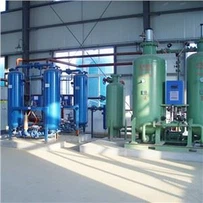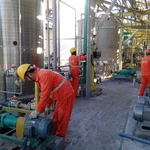
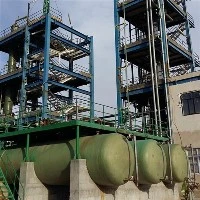

Asia Chemical Engineering Co., Ltd. is one of the most reliable manufacturers and suppliers of naoh plant in China. Please rest assured to wholesale cost-efficient naoh plant from our factory. Good service and reasonable price are available.
NaOH Plant Solutions for Different Production Requirements
The configuration of a sodium hydroxide production plant depends primarily on how the caustic soda will be produced. Defining the production route at the beginning helps determine the required equipment, utilities, process controls, and capital investment.
Chlor-Alkali Electrolysis Plant
A chlor-alkali plant produces sodium hydroxide through the electrolysis of purified brine. The process typically generates chlorine and hydrogen as co-products.
Depending on the selected technology, the plant may incorporate brine preparation and purification, electrolysis cells, chlorine and hydrogen handling systems, and caustic soda concentration equipment.
This configuration is suitable for projects that require integrated caustic soda production from salt-based feedstock. The electrolysis technology and associated safety systems must be selected according to project specifications and applicable regulations.
Caustic Soda Evaporation and Concentration Plant
A caustic soda evaporation plant increases the concentration of an existing sodium hydroxide solution by removing water.
The system may include evaporators, heat exchangers, separators, circulation pumps, condensers, and process instrumentation. Equipment selection depends on the inlet concentration, target concentration, solution flow rate, operating pressure, and available heating utilities.
This type of plant is suitable for projects that need to upgrade dilute caustic soda solution to a higher concentration without installing a complete chlor-alkali electrolysis facility.
Caustic Soda Dilution and Preparation System
A caustic soda preparation system produces a solution at a specified concentration by mixing an appropriate caustic soda feed with water under controlled conditions.
Typical equipment may include mixing tanks, dosing systems, transfer pumps, temperature monitoring instruments, and storage tanks. The design must account for the heat released during dilution, material compatibility, and safe handling requirements.
The system can be configured for industrial chemical consumption, downstream manufacturing, or integration into an existing process line.
NaOH Production Process
The process flow of a NaOH plant depends on the selected production route. A complete chlor-alkali facility and a caustic soda concentration line have different process requirements and equipment arrangements.
1. Feedstock Preparation
For a chlor-alkali plant, salt is dissolved in water to prepare brine. The brine then undergoes purification to remove impurities that could affect membrane performance, electrolyzer operation, or product quality.
For a concentration plant, the process begins with the specified sodium hydroxide solution supplied from an existing production unit or storage system.
2. Sodium Hydroxide Production or Concentration
In a chlor-alkali facility, purified brine enters the electrolyzer, where sodium hydroxide is produced alongside chlorine and hydrogen.
In a concentration line, the incoming caustic soda solution passes through an evaporation system that removes water to achieve the specified product concentration.
3. Product Cooling and Handling
After production or concentration, the solution may require cooling, transfer, and controlled storage, depending on its temperature and concentration.
Tanks, pumps, piping, valves, and instrumentation must be selected for compatibility with sodium hydroxide at the actual operating conditions.
4. Process Monitoring and Control
A suitable control system monitors relevant process variables, which may include temperature, pressure, flow rate, liquid level, concentration, and equipment operating status.
For electrolysis facilities, additional controls and safety interlocks are required for chlorine, hydrogen, electrical systems, and related process hazards.
5. Product Storage and Transfer
The finished sodium hydroxide solution is transferred to designated storage tanks or downstream process equipment. Storage capacity, tank materials, transfer arrangements, and loading facilities should be determined according to product concentration, production rate, and dispatch requirements.
Key Equipment in a NaOH Plant
Equipment selection depends on whether the project covers complete chlor-alkali production, caustic soda concentration, or solution preparation.
| Equipment | Main Function |
|---|---|
| Brine preparation and purification system | Prepares and purifies brine for electrolysis |
| Electrolyzer or electrolysis cells | Produces sodium hydroxide, chlorine, and hydrogen in a chlor-alkali process |
| Evaporator system | Concentrates sodium hydroxide solution by removing water |
| Heat exchangers and condensers | Transfer heat and support evaporation or cooling |
| Process pumps and piping | Transfer liquids between process stages |
| Storage tanks | Store feedstock, intermediate solution, or finished product |
| Instrumentation and control system | Monitors process conditions and equipment status |
| Utility and safety systems | Support operation and manage process-specific hazards |
NaOH Plant Capacity and Product Specifications
The production capacity and product specifications are two of the main factors determining plant design. A technical proposal should define both the required output and the conditions under which that output will be achieved.
| Design Parameter | Information Required |
|---|---|
| Plant capacity | Target output in metric tons per day (TPD) or metric tons per year (TPA) |
| Production route | Chlor-alkali electrolysis, evaporation and concentration, or dilution and preparation |
| Feedstock | Salt and water, existing NaOH solution, or another specified feed |
| NaOH concentration | Required product concentration by weight |
| Operating schedule | Operating hours per day and days per year |
| Utilities | Available electricity, steam, cooling water, and other required utilities |
| Installation location | Country, site conditions, and applicable local standards |
| Project scope | Individual equipment, integrated production line, or a defined turnkey package |
For example, a plant producing a specified quantity of concentrated caustic soda solution has different raw-material, energy, and equipment requirements from a plant producing the same quantity of pure NaOH on a 100% basis.
Capacity calculations should therefore state whether the rated output refers to solution mass or pure NaOH equivalent.


Engineering Considerations for Caustic Soda Production Plants
Material Selection and Corrosion Resistance
Sodium hydroxide is corrosive, and its compatibility with construction materials depends on concentration, temperature, impurities, and operating conditions.
Equipment materials should be selected individually for tanks, piping, valves, pumps, heat exchangers, and other wetted components. Material selection must also consider the presence of chlorine, hydrogen, brine, and other process chemicals where applicable.
Energy Consumption and Heat Integration
Energy requirements depend on the selected process route. Chlor-alkali electrolysis requires electrical power, while evaporation and concentration systems require thermal energy.
For concentration plants, the inlet concentration, target concentration, evaporation duty, heat recovery arrangement, and available steam conditions all affect operating costs.
A project-specific energy balance is more useful than applying a generic consumption figure to every plant configuration.
Automation and Process Safety
A NaOH plant may require automated control of flow, pressure, temperature, concentration, and tank levels. Chlor-alkali facilities also require process-specific protection for chlorine and hydrogen handling, ventilation, gas detection, and emergency shutdown arrangements.
The final instrumentation and safety architecture should be established through engineering review and the applicable risk assessment.
Installation and Plant Integration
For projects at existing industrial sites, the proposed line should be checked against available space, utility connections, existing equipment, electrical infrastructure, and the required interfaces with upstream and downstream processes.
For new plants, these factors should be considered during the preliminary engineering stage to reduce interface problems during installation and commissioning.
Why Work with us?
Selecting a manufacturer involves more than comparing equipment prices. Buyers need to understand the proposed process, the equipment supply boundaries, the expected operating conditions, and the responsibilities of each project participant.
Our project approach can be structured around the following requirements, subject to the agreed contract scope:
The exact services and deliverables should be confirmed for each project rather than assumed to be included in every supply package.
Applications of Sodium Hydroxide Production Plants
Sodium hydroxide is an important industrial chemical used in a wide range of manufacturing processes. The appropriate plant configuration depends on the quantity required, product concentration, and whether the facility produces NaOH directly or prepares it for internal consumption.
Typical end-use industries include:
For companies that consume caustic soda in their own manufacturing processes, a dedicated preparation or concentration line may be sufficient. Companies intending to manufacture caustic soda from salt generally need to evaluate a complete chlor-alkali production route.
Frequently Asked Questions About NaOH Plants
What is a NaOH plant?
A NaOH plant is an industrial facility for producing, concentrating, or preparing sodium hydroxide solution. The term can refer to a complete chlor-alkali plant or to a downstream caustic soda processing line, depending on the project scope.
What is the difference between a NaOH plant and a caustic soda plant?
There is generally no fundamental difference in meaning. NaOH is the chemical formula for sodium hydroxide, while caustic soda is its common industrial name. Both terms can describe a sodium hydroxide production facility.
What is the production process of a NaOH plant?
A complete chlor-alkali plant typically uses purified brine electrolysis to produce sodium hydroxide, chlorine, and hydrogen. A caustic soda concentration plant instead uses evaporation to increase the concentration of an existing NaOH solution. The applicable process depends on the intended feedstock and production requirements.
What capacity can a NaOH production plant support?
Plant capacity depends on the production technology, feedstock, equipment configuration, and project requirements. The required capacity should be specified in TPD or TPA, together with the NaOH concentration and whether output is expressed as solution mass or 100% NaOH equivalent.
Can a NaOH plant produce 32%, 48%, or 50% sodium hydroxide solution?
These are possible industrial solution concentrations, but the achievable product specification depends on the selected process and feed conditions. The required concentration, allowable impurities, and product temperature should be confirmed before equipment sizing.
How much does a NaOH plant cost?
The investment depends on plant capacity, production route, equipment materials, utilities, automation, environmental and safety systems, installation conditions, and the extent of the manufacturer's supply scope. A meaningful quotation requires a defined process route and project specification.
What information is required to request a NaOH plant quotation?
Buyers should provide the target capacity, required NaOH concentration, feedstock, production route if known, project location, available utilities, and required equipment scope. If the process route has not been selected, the manufacturer can first review the project requirements and identify the information needed for preliminary evaluation.
Hot Tags: naoh plant, China, manufacturers, suppliers, factory, wholesale, price, profession, cost, Caustic Soda Plant Project, caustic soda profession, production line for sodium hydroxide, sodium hydroxide, sodium hydroxide production line factory, sodium hydroxide production line suppliers