

Sodium hydroxide (NaOH), commonly known as caustic soda, is a highly versatile chemical with a wide range of applications across various industries. One area where NaOH plays a crucial role is in the production of proteins. As a leading NaOH supplier, we understand the significance of this chemical in the protein production process and are committed to providing high - quality NaOH to meet the industry's needs.
1. Protein Extraction and Purification
In the initial stages of protein production, proteins need to be extracted from their natural sources, such as cells, tissues, or microorganisms. NaOH is often used in this process to break down the cell walls and membranes, releasing the proteins into the solution. The strong alkaline nature of NaOH can disrupt the non - covalent bonds that hold the cell structure together. For example, in the extraction of proteins from bacteria, a NaOH solution can be used to lyse the bacterial cells. The high pH environment provided by NaOH denatures the cell wall components, making it easier to access the intracellular proteins.
After extraction, proteins need to be purified to remove impurities and other unwanted substances. NaOH can be used in purification steps such as precipitation and chromatography. In precipitation, the addition of NaOH can change the pH of the protein solution, causing the proteins to aggregate and precipitate out of the solution. This is based on the principle that proteins have different isoelectric points (pI), and at a specific pH, they become electrically neutral and less soluble. By adjusting the pH with NaOH, we can selectively precipitate the target proteins.
In chromatography, NaOH can be used for column cleaning and regeneration. Chromatography columns are used to separate proteins based on their physical and chemical properties. Over time, the columns can become contaminated with proteins, salts, and other substances. A NaOH solution can be used to clean the column, removing these contaminants and restoring its performance. This ensures the efficiency and reproducibility of the chromatography process.
2. Protein Modification
NaOH can also be used to modify proteins, altering their structure and function. One common modification is the hydrolysis of peptide bonds. When proteins are treated with NaOH under certain conditions, the peptide bonds can be broken, resulting in the formation of smaller peptides or amino acids. This hydrolysis reaction can be controlled to achieve specific degrees of protein degradation. For example, partial hydrolysis can be used to generate bioactive peptides with specific functions, such as antioxidant or antimicrobial properties.
In addition, NaOH can be involved in the modification of amino acid side chains. Some amino acids have reactive side chains that can react with NaOH. For instance, cysteine residues can be oxidized in the presence of NaOH, leading to the formation of disulfide bonds. These disulfide bonds play an important role in stabilizing the tertiary structure of proteins and can affect their biological activity.


3. Sterilization and Sanitization
Maintaining a sterile environment is crucial in protein production to prevent contamination by microorganisms. NaOH is a powerful disinfectant and can be used for sterilization and sanitization purposes. In the protein production facility, equipment, surfaces, and storage containers need to be regularly cleaned and disinfected. A NaOH solution can effectively kill bacteria, viruses, and fungi. The high pH of NaOH can disrupt the cell membranes and denature the proteins of microorganisms, leading to their death.
For example, in bioreactors where proteins are produced by fermentation, NaOH can be used to clean and sterilize the reactor before and after each batch. This helps to ensure the purity and quality of the protein product.
4. Our Role as a NaOH Supplier
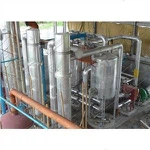
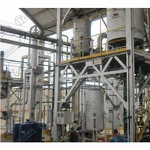
As a NaOH supplier, we recognize the importance of providing a consistent and high - quality product for protein production. We have state - of the - art Chemical Plants For Caustic Soda that are designed to produce NaOH with strict quality control measures. Our Caustic Soda Chemical Plant adheres to the highest safety and environmental standards, ensuring that the NaOH we supply is not only pure but also produced in an environmentally friendly manner.
We offer a variety of NaOH products, including different concentrations and grades, to meet the specific needs of protein producers. Whether you need a small amount for laboratory - scale protein research or a large quantity for industrial - scale production, we can provide the right product for you. Our Caustic Soda Plant For Sale option also allows customers to set up their own production facilities if they have long - term and large - scale requirements.
We also provide technical support and expertise to our customers. Our team of chemists and engineers can assist you in determining the appropriate NaOH concentration and usage for your protein production process. We can help you optimize your processes, improve efficiency, and ensure the quality of your protein products.
5. Conclusion and Call to Action
In conclusion, NaOH plays a vital role in protein production, from extraction and purification to modification and sterilization. Its versatility and effectiveness make it an indispensable chemical in the protein industry. As a reliable NaOH supplier, we are dedicated to providing high - quality products and excellent service to support your protein production needs.
If you are involved in protein production and are looking for a trusted NaOH supplier, we encourage you to contact us for more information. We can discuss your specific requirements, provide samples, and offer competitive pricing. Let's work together to ensure the success of your protein production processes.
References
- Stryer, L., Berg, J. M., & Tymoczko, J. L. (2002). Biochemistry (5th ed.). W. H. Freeman.
- Voet, D., Voet, J. G., & Pratt, C. W. (2016). Fundamentals of Biochemistry: Life at the Molecular Level (4th ed.). Wiley.
- Murray, R. K., Bender, D. A., Botham, K. M., Kennelly, P. J., Rodwell, V. W., & Weil, P. A. (2012). Harper's Illustrated Biochemistry (29th ed.). McGraw - Hill.