

LABSA, or Linear Alkylbenzene Sulfonic Acid, is a key ingredient in the production of various household and industrial cleaning products. As a supplier of a LABSA factory, I often get asked about the production capacity of such facilities. In this blog post, I'll delve into the factors that determine the production capacity of a LABSA factory, the typical ranges you might encounter, and how it impacts the market.
Factors Affecting LABSA Factory Production Capacity
1. Plant Design and Technology
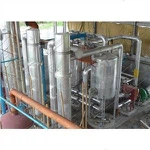
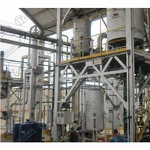
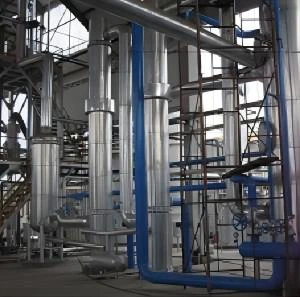
The design of the LABSA production plant is fundamental to its capacity. Modern plants are engineered with advanced technology that allows for more efficient and continuous production. For instance, plants equipped with state - of - the - art Sulphonation Sulphonic Acid Plant technology can handle larger volumes of raw materials and produce LABSA at a faster rate. These plants are designed to optimize the chemical reactions involved in the production process, reducing downtime and increasing throughput.
The choice of reactors, heat exchangers, and other equipment also plays a crucial role. Larger reactors can process more reactants at once, while efficient heat exchangers can speed up the reaction by maintaining the optimal temperature. Additionally, automated control systems in modern plants ensure precise regulation of the production process, minimizing human error and maximizing productivity.
2. Raw Material Availability
The production of LABSA requires a steady supply of raw materials, primarily linear alkylbenzene (LAB) and sulfuric acid or sulfur trioxide. A factory's production capacity is limited by the availability of these raw materials. If there are shortages in the supply of LAB, for example, the factory may have to reduce its production volume.
Suppliers need to establish reliable supply chains to ensure a continuous flow of raw materials. This may involve long - term contracts with raw material producers, strategic stockpiling, and close monitoring of market trends. A well - managed supply chain can help a LABSA factory operate at its maximum capacity without interruptions due to raw material shortages.
3. Labor and Workforce
Skilled labor is essential for the smooth operation of a LABSA factory. Workers are responsible for operating the equipment, monitoring the production process, and ensuring quality control. The size and expertise of the workforce can affect the production capacity.
A factory with a larger and more experienced workforce can handle more complex production tasks and operate multiple shifts, increasing the overall production time. Training programs for employees are also crucial to keep them updated on the latest production techniques and safety protocols. Well - trained workers can operate the equipment more efficiently, reducing the likelihood of breakdowns and improving productivity.
4. Maintenance and Upkeep
Regular maintenance of the production equipment is necessary to keep the factory running at its optimal capacity. Equipment breakdowns can lead to significant production losses. A well - maintained plant can prevent unexpected shutdowns and ensure that the production process runs smoothly.
Scheduled maintenance, including equipment inspections, cleaning, and replacement of worn - out parts, is essential. Predictive maintenance techniques, such as using sensors to monitor equipment performance, can help identify potential problems before they cause major disruptions. By investing in maintenance, a LABSA factory can extend the lifespan of its equipment and maintain a high level of production capacity.
Typical Production Capacity Ranges
The production capacity of LABSA factories can vary widely depending on their size and location. Small - scale LABSA factories may have an annual production capacity of a few thousand tons. These factories are often more flexible and can cater to niche markets or local demand. They may be suitable for producing specialized LABSA products or serving small - to - medium - sized customers.
Medium - sized factories typically have an annual production capacity ranging from 10,000 to 50,000 tons. These facilities can serve a broader regional market and are often more cost - effective due to economies of scale. They can produce a wider range of LABSA grades to meet different customer requirements.
Large - scale LABSA factories, on the other hand, can have an annual production capacity of over 50,000 tons. These factories are usually located in industrial hubs with easy access to raw materials and transportation networks. They are designed to meet the high - volume demand of large - scale detergent manufacturers and other industrial users. Their large production capacity allows them to take advantage of bulk purchasing of raw materials and achieve significant cost savings.
Impact on the Market
The production capacity of LABSA factories has a significant impact on the market. When factories increase their production capacity, the supply of LABSA in the market increases. This can lead to lower prices, making LABSA more accessible to a wider range of customers. Lower prices can stimulate demand, especially in price - sensitive markets.
Conversely, if there are disruptions in production, such as equipment breakdowns or raw material shortages, the supply of LABSA may decrease. This can lead to price increases and shortages in the market. Manufacturers may have to look for alternative suppliers or adjust their production processes to cope with the reduced supply.

The production capacity of LABSA factories also affects competition in the market. Larger factories with higher production capacities can often offer more competitive prices due to economies of scale. This can put pressure on smaller factories to improve their efficiency or specialize in niche products to remain competitive.
The Production Process and Its Relation to Capacity
The Production Process Of Sulfonic Acid is closely related to the production capacity of a LABSA factory. The sulfonation process, which is the key step in LABSA production, involves reacting LAB with sulfuric acid or sulfur trioxide. The efficiency of this process determines how much LABSA can be produced in a given time.
Modern sulfonation processes, such as those used in Sulphonation Production, are designed to be more efficient and can handle larger volumes of reactants. Continuous sulfonation processes are preferred in large - scale factories as they allow for a more consistent and high - volume production. These processes can be optimized to increase the conversion rate of LAB to LABSA, reducing waste and improving the overall production capacity.
Conclusion
In conclusion, the production capacity of a LABSA factory is determined by a combination of factors, including plant design, raw material availability, labor, and maintenance. Understanding these factors is crucial for both factory operators and customers. Whether you are a small - scale detergent manufacturer looking for a reliable LABSA supplier or a large - scale industrial user, it's important to consider the production capacity of the factory when making purchasing decisions.
If you are interested in purchasing LABSA or have any questions about our production capacity and product quality, please feel free to contact us for a detailed discussion. We are committed to providing high - quality LABSA products that meet your specific requirements.
References
- Chemical Engineering Handbook, various editions
- Industry reports on LABSA production and market trends