

In the realm of industrial chemistry, alkalis play a pivotal role in a multitude of processes across various sectors. Sodium hydroxide (NaOH), commonly known as caustic soda, is one of the most widely used alkalis. As a supplier of NaOH, I am often asked about its price in comparison to other alkalis. This blog post aims to delve into this topic, exploring the factors that influence the price of NaOH and how it stacks up against other popular alkalis in the market.
Understanding the Role of Alkalis
Alkalis are substances that, when dissolved in water, produce hydroxide ions (OH⁻). They are characterized by their basic properties, including the ability to neutralize acids, turn litmus paper blue, and have a bitter taste. In industrial applications, alkalis are used for a wide range of purposes, such as pH adjustment, chemical synthesis, water treatment, and the production of soaps, detergents, and paper.
Some of the most common alkalis in the market include sodium hydroxide (NaOH), potassium hydroxide (KOH), calcium hydroxide (Ca(OH)₂), and ammonia (NH₃). Each of these alkalis has its unique properties and applications, which ultimately influence their market prices.
Factors Influencing the Price of NaOH
The price of NaOH is influenced by a variety of factors, both on the supply and demand sides. Understanding these factors is crucial for assessing how its price compares to other alkalis.
Raw Material Costs
The primary raw material for the production of NaOH is salt (sodium chloride, NaCl). The cost of salt can fluctuate due to factors such as mining conditions, transportation costs, and global supply and demand dynamics. Additionally, the energy required for the electrolysis process used to produce NaOH from salt is a significant cost factor. Energy prices, which are subject to geopolitical events, fuel availability, and environmental regulations, can have a substantial impact on the overall production cost of NaOH.
Production Process
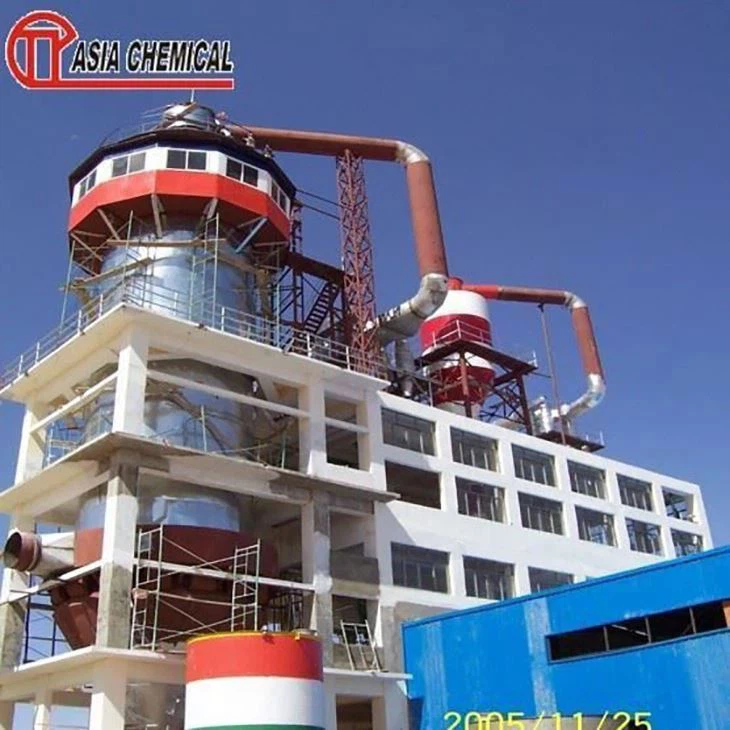
The production of NaOH involves an electrolysis process, which requires specialized equipment and significant capital investment. The efficiency of the production process, including the type of electrolytic cell used and the level of automation, can affect the cost of production. Newer technologies and more efficient production methods can reduce costs, while older or less efficient plants may face higher production costs. For more information on the production process, you can visit Caustic Soda Production.
Market Demand
The demand for NaOH is driven by its wide range of applications in various industries, such as pulp and paper, textiles, chemicals, and water treatment. Fluctuations in demand from these industries can have a direct impact on the price of NaOH. For example, an increase in demand for paper products may lead to a higher demand for NaOH, which can drive up its price.
Regulatory Environment
The production and use of NaOH are subject to various environmental and safety regulations. Compliance with these regulations can add to the production cost, as companies may need to invest in pollution control equipment, safety measures, and waste management systems. Changes in regulatory requirements can also affect the supply of NaOH, as some producers may need to make significant adjustments to their operations to meet the new standards.
Comparison of NaOH Price with Other Alkalis
Sodium Hydroxide (NaOH) vs. Potassium Hydroxide (KOH)
Potassium hydroxide (KOH) is another strong alkali that is often used in applications where a higher solubility or a different chemical reactivity is required. Compared to NaOH, KOH is generally more expensive. This is primarily due to the higher cost of the raw material, potassium chloride (KCl), which is used in the production of KOH. Additionally, the production process for KOH is similar to that of NaOH but is typically less efficient, resulting in higher production costs.
In terms of applications, KOH is commonly used in the production of potassium-based soaps, biodiesel, and certain types of batteries. NaOH, on the other hand, is more widely used in general industrial applications due to its lower cost and broad availability.
Sodium Hydroxide (NaOH) vs. Calcium Hydroxide (Ca(OH)₂)
Calcium hydroxide, also known as slaked lime, is a relatively inexpensive alkali. It is produced by reacting calcium oxide (quicklime) with water. The raw material for calcium hydroxide, limestone (calcium carbonate, CaCO₃), is abundant and widely available, which keeps its production cost low.
Calcium hydroxide is commonly used in water treatment, soil stabilization, and the production of cement. While it is less caustic than NaOH, it is suitable for applications where a milder alkali is required. In terms of price, Ca(OH)₂ is significantly cheaper than NaOH, making it a preferred choice for applications where cost is a major consideration.
Sodium Hydroxide (NaOH) vs. Ammonia (NH₃)
Ammonia is a weak alkali that is commonly used in the production of fertilizers, refrigerants, and cleaning agents. It is produced by the Haber-Bosch process, which involves the reaction of nitrogen and hydrogen under high pressure and temperature. The cost of producing ammonia is influenced by the price of natural gas, which is used as a source of hydrogen in the production process.
Compared to NaOH, ammonia is generally less expensive. However, its applications are more limited due to its weaker alkaline properties. NaOH is preferred in applications where a strong alkali is required, such as in the production of soaps and detergents.

Conclusion
In conclusion, the price of NaOH is influenced by a variety of factors, including raw material costs, production processes, market demand, and regulatory environment. When compared to other alkalis, NaOH offers a balance between cost and performance, making it a widely used alkali in various industrial applications.
While potassium hydroxide (KOH) is more expensive due to higher raw material costs and less efficient production processes, calcium hydroxide (Ca(OH)₂) is significantly cheaper due to its abundant raw material and simpler production process. Ammonia (NH₃) is also less expensive but has more limited applications due to its weaker alkaline properties.
As a supplier of NaOH, I understand the importance of providing high-quality products at competitive prices. If you are in the market for NaOH or have any questions about its price and applications, I encourage you to contact me for a detailed discussion. We can explore your specific requirements and find the best solution for your business.
References
- Kirk-Othmer Encyclopedia of Chemical Technology
- Ullmann's Encyclopedia of Industrial Chemistry
- Chemical Marketing Reporter