

As a dedicated supplier of Na2SiO4, commonly known as sodium silicate, I've witnessed firsthand the diverse applications and importance of this chemical compound across various industries. One question that often arises, especially from our Japanese clients, is about the price of Na2SiO4 in Japan. In this blog post, I'll delve into the factors influencing the price of Na2SiO4 in Japan, the current market situation, and how we, as a supplier, can offer competitive prices.
Factors Affecting the Price of Na2SiO4 in Japan
The price of Na2SiO4 in Japan is influenced by a multitude of factors, both global and local. Understanding these factors is crucial for both suppliers and buyers to make informed decisions.
Raw Material Costs
The primary raw materials for producing Na2SiO4 are silica sand and soda ash. Fluctuations in the prices of these raw materials can have a significant impact on the final price of Na2SiO4. For example, if there is a shortage of silica sand due to mining disruptions or increased demand from other industries, the cost of producing Na2SiO4 will rise. Similarly, changes in the price of soda ash, which is often affected by energy prices and production capacity, can also lead to price variations.
Production Costs
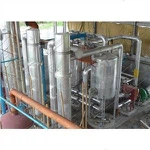
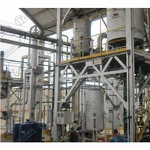
The production process of Na2SiO4 involves several steps, including melting, dissolution, and filtration. Each step requires energy, labor, and equipment, all of which contribute to the production cost. In Japan, where labor costs are relatively high and environmental regulations are strict, the production cost of Na2SiO4 can be higher compared to other countries. Additionally, the cost of maintaining and upgrading production facilities, such as the 28 Tons Per Days Solid Sodium Silicate Plant, also affects the final price.
Market Demand and Supply
The balance between market demand and supply is another key factor influencing the price of Na2SiO4 in Japan. The demand for Na2SiO4 comes from various industries, including detergents, pulp and paper, construction, and textiles. If the demand for these industries increases, the demand for Na2SiO4 will also rise, putting upward pressure on the price. On the other hand, if there is an oversupply of Na2SiO4 in the market, the price will likely decrease.

Transportation and Logistics
Transportation and logistics costs also play a role in determining the price of Na2SiO4 in Japan. Since Na2SiO4 is a heavy and bulky chemical, transportation costs can be significant, especially if the supplier is located far from the customer. Additionally, factors such as fuel prices, shipping fees, and customs duties can further increase the transportation cost.
Current Market Situation of Na2SiO4 in Japan
The current market situation of Na2SiO4 in Japan is complex and dynamic. In recent years, the demand for Na2SiO4 has been relatively stable, driven by the growth of the detergent and construction industries. However, the market is also facing some challenges, such as increasing competition from domestic and international suppliers and rising production costs.
Competition
The Na2SiO4 market in Japan is highly competitive, with both domestic and international suppliers vying for market share. Domestic suppliers have the advantage of being closer to the market and having a better understanding of local regulations and customer needs. However, international suppliers can often offer lower prices due to lower production costs in their home countries. As a result, suppliers need to constantly innovate and improve their products and services to stay competitive.
Regulatory Environment
Japan has strict environmental regulations that govern the production, use, and disposal of chemicals, including Na2SiO4. These regulations aim to protect the environment and human health but can also increase the production cost for suppliers. For example, suppliers may need to invest in advanced pollution control equipment and treatment facilities to comply with the regulations. Additionally, the regulatory environment can also affect the market demand for Na2SiO4, as some industries may switch to more environmentally friendly alternatives.
Our Competitive Advantage as a Na2SiO4 Supplier
As a leading supplier of Na2SiO4, we are committed to providing high-quality products at competitive prices. We have several competitive advantages that enable us to offer better value to our customers in Japan.
Advanced Production Technology
We use advanced production technology and equipment, such as the Sodium Silicate Production Line Equipment, to ensure the high quality and consistency of our products. Our production process is also optimized to reduce energy consumption and waste generation, which helps to lower the production cost.
Cost-Effective Raw Material Sourcing
We have established long-term partnerships with reliable raw material suppliers, which allows us to source high-quality silica sand and soda ash at competitive prices. By negotiating favorable contracts and optimizing our supply chain, we can reduce the raw material cost and pass on the savings to our customers.
Customized Solutions
We understand that different customers have different needs and requirements. Therefore, we offer customized solutions to meet the specific needs of our customers in Japan. Whether it's a specific grade of Na2SiO4 or a unique packaging design, we can work with our customers to develop the best solution for their business.
Excellent Customer Service
We believe that excellent customer service is the key to building long-term relationships with our customers. Our team of experienced sales and technical support staff is always ready to provide prompt and professional service to our customers. We also offer after-sales service, such as product training and technical support, to ensure that our customers can use our products effectively.
Conclusion
The price of Na2SiO4 in Japan is influenced by a variety of factors, including raw material costs, production costs, market demand and supply, and transportation and logistics. As a supplier, we are constantly monitoring these factors and adjusting our prices and strategies accordingly. With our advanced production technology, cost-effective raw material sourcing, customized solutions, and excellent customer service, we are confident that we can offer competitive prices and high-quality products to our customers in Japan.
If you are interested in purchasing Na2SiO4 or have any questions about our products and services, please feel free to contact us. We look forward to the opportunity to work with you and help you meet your business needs.
References
- "Sodium Silicate: Properties, Processing, and Applications." John Wiley & Sons, Inc., 2010.
- "The Chemical Industry in Japan: Trends and Challenges." Ministry of Economy, Trade and Industry, Japan, 2020.
- "Market Research Report on Sodium Silicate in Japan." XYZ Research Institute, 2021.