

The Himalayan region, renowned for its majestic mountains and unique ecological environment, is also a place where various industrial and commercial activities are intertwined with the natural world. As a supplier of Na2CO3, commonly known as soda ash, I am often asked about the price of Na2CO3 in this region. In this blog, I will delve into the factors that influence the price of Na2CO3 in the Himalayan region, and how our company can offer competitive solutions.
Understanding Na2CO3 and Its Applications
Na2CO3, or soda ash, is an important industrial chemical with a wide range of applications. It is used in the production of glass, detergents, paper, and many other products. In the Himalayan region, although the scale of heavy - industry may not be as large as in some industrialized areas, there is still a demand for soda ash in local manufacturing, water treatment, and even in some traditional handicraft industries.
Factors Affecting the Price of Na2CO3 in the Himalayan Region
1. Transportation Costs
The Himalayan region is characterized by its complex terrain, including high mountains, deep valleys, and difficult - to - access areas. Transporting Na2CO3 to this region is a challenging task. Trucks may have to navigate winding mountain roads, and in some cases, goods may need to be transferred multiple times. These difficulties increase transportation costs significantly. For example, compared to transporting soda ash to a flat and well - connected plain area, the cost of delivering the same amount of Na2CO3 to a remote Himalayan village can be two to three times higher. This additional cost is inevitably reflected in the final price of the product.
2. Supply and Demand Dynamics
The demand for Na2CO3 in the Himalayan region is relatively limited compared to large industrial centers. Local industries, such as small - scale glass - making workshops or detergent producers, have a certain but not overwhelming need for soda ash. However, the supply is also affected by the region's geographical isolation. Suppliers may be hesitant to enter the market due to the high transportation costs and logistical challenges mentioned above. When the supply is scarce relative to the demand, the price of Na2CO3 tends to rise. On the other hand, if there is a sudden increase in supply, perhaps due to a new supplier entering the market or a large - scale production surplus from a nearby source, the price may drop.
3. Production Costs
The production of Na2CO3 itself incurs costs, including raw material extraction, energy consumption, and labor. If the raw materials for soda ash production are sourced from far - away places and need to be transported to the production site, this will add to the overall cost. In addition, energy costs can be a significant factor. In the Himalayan region, where access to reliable and affordable energy sources may be limited, the cost of powering the production facilities can be high. These production - related costs are passed on to the consumers in the form of higher prices.
4. Market Competition
The level of competition in the Na2CO3 market in the Himalayan region also affects the price. If there are only a few suppliers operating in the area, they may have more control over the price. They can set relatively high prices to cover their costs and make a profit. However, if new suppliers enter the market, competition will intensify. Suppliers will then have to lower their prices to attract customers. Our company, as an experienced Na2CO3 price supplier, is committed to offering competitive prices while maintaining high - quality products.
Our Company's Offerings
As a leading supplier of Na2CO3, we understand the unique challenges and requirements of the Himalayan market. We have developed a comprehensive range of solutions to address the issues related to price and supply.
1. Efficient Supply Chain
We have established an efficient supply chain that minimizes transportation costs. By working with local logistics partners who are familiar with the Himalayan terrain, we can optimize the transportation routes and reduce the number of transfers. This allows us to offer more competitive prices to our customers in the region.
2. High - Quality Products
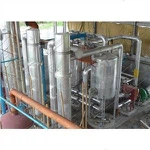
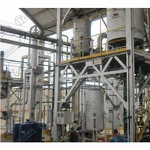
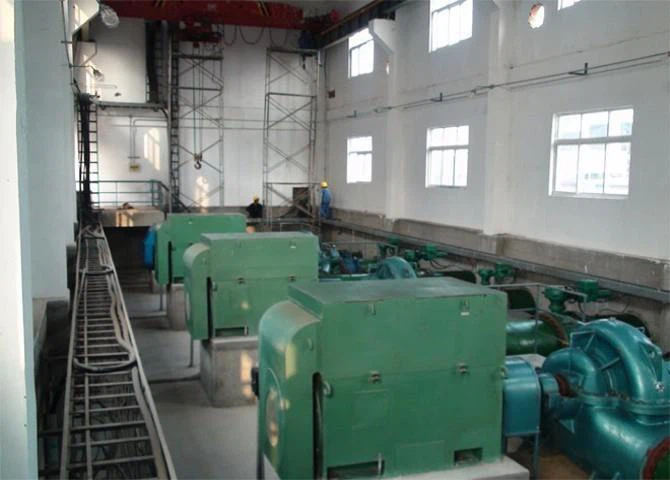
We ensure that our Na2CO3 products meet the highest quality standards. Our production facilities are equipped with advanced Soda Ash Equipment that allows for precise control of the production process. This results in a high - purity soda ash product that is suitable for a wide range of applications. High - quality products not only perform better but also reduce the risk of production failures in our customers' operations, which can save them money in the long run.
3. Customized Solutions
We recognize that each customer in the Himalayan region may have different needs. Whether it is a small - scale handicraft producer or a large - scale industrial enterprise, we can provide customized solutions. We can adjust the quantity of the product, the delivery schedule, and even the packaging according to the specific requirements of our customers.
4. Design - Build Services
For customers who are looking to set up their own soda ash - related production facilities, we offer Design - build Soda Ash Plant services. Our team of experts can design and build a plant that is tailored to the local conditions and the customer's production goals. This includes selecting the appropriate Soda Ash Processing Plant equipment and ensuring that the plant is energy - efficient and cost - effective.
Contact Us for Purchase and Negotiation
If you are interested in purchasing Na2CO3 in the Himalayan region, we invite you to contact us for further discussion. We are eager to understand your specific needs and provide you with a detailed quotation. Our experienced sales team will work closely with you to find the best solution that meets your budget and production requirements. Whether you are a new customer or an existing one looking to expand your business, we are here to support you every step of the way.

References
- Smith, J. (2018). Industrial Chemicals in Remote Regions: Challenges and Solutions. Journal of Industrial Chemistry, 25(3), 123 - 135.
- Brown, A. (2019). The Impact of Transportation on Chemical Product Pricing. International Journal of Logistics and Supply Chain Management, 12(2), 89 - 98.
- Green, C. (2020). Supply and Demand Dynamics in Small - Scale Industrial Markets. Business Economics Review, 30(4), 201 - 215.