

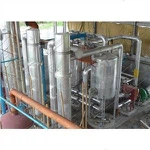
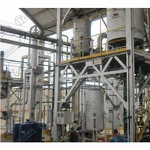
Energy efficiency is a crucial factor in the operation of LNG (Liquefied Natural Gas) devices. As a leading supplier of LNG devices, we understand the significance of high - performance and energy - efficient equipment in the LNG industry.


Understanding LNG and Its Devices
LNG is natural gas that has been cooled to a liquid state, typically around - 162°C (- 260°F), to reduce its volume for easier storage and transportation. The process of liquefying natural gas involves several complex steps and requires specialized LNG devices. These devices include Liquefaction Plant, Gas Liquefaction Plant, and Lng Factory, among others.
The core of LNG production is the liquefaction process. The energy efficiency of LNG devices directly influences the cost - effectiveness of this process. A more energy - efficient device can help reduce the overall energy consumption during liquefaction, which in turn cuts down the operational costs and environmental impact.
Key Factors Affecting the Energy Efficiency of LNG Devices
Refrigeration Cycle
The refrigeration cycle is the heart of an LNG liquefaction device. Different refrigeration cycles, such as the cascade cycle, the mixed refrigerant cycle, and the expander - based cycle, have different levels of energy efficiency. The mixed refrigerant cycle, for example, has gained popularity in recent years due to its relatively high energy efficiency. It uses a mixture of different refrigerants with different boiling points to achieve efficient cooling. By carefully selecting the components and operating parameters of the refrigerant mixture, we can optimize the refrigeration process and reduce energy consumption.
Heat Exchanger Efficiency
Heat exchangers play a vital role in the LNG production process. They are used to transfer heat between the natural gas and the refrigerant, allowing the gas to be cooled down. The efficiency of heat exchangers is measured by factors such as the overall heat transfer coefficient, the surface area available for heat transfer, and the temperature difference between the two fluids. Advanced heat exchanger designs, such as plate - fin heat exchangers and spiral - wound heat exchangers, can provide higher heat transfer efficiency, which means less energy is wasted in the heat transfer process.
Compressor Performance
Compressors are used to increase the pressure of the natural gas and the refrigerant in the LNG device. The performance of compressors has a significant impact on energy efficiency. Modern compressors are designed with advanced technologies to improve their efficiency, such as variable - speed drives, which allow the compressor to operate at different speeds according to the actual demand. Additionally, the proper selection of compressor type (e.g., centrifugal compressors or reciprocating compressors) based on the specific application can also contribute to better energy utilization.
Process Integration
Process integration is an important concept in improving the energy efficiency of LNG devices. By integrating different processes within the LNG plant, such as using the waste heat from one process to pre - heat another or using the pressure energy from the gas expansion to generate electricity, we can make more efficient use of the available energy resources. This holistic approach to energy management can lead to substantial energy savings and cost reductions.
Advantages of High - Energy - Efficiency LNG Devices
Cost Savings
One of the most obvious advantages of high - energy - efficiency LNG devices is cost savings. Since energy consumption is a major part of the operational cost in an LNG plant, reducing energy consumption can directly lower the cost of production. Over the long term, these savings can be significant, making the LNG production more economically viable.
Environmental Benefits
In addition to cost savings, high - energy - efficiency LNG devices also have environmental benefits. By reducing energy consumption, we can decrease the greenhouse gas emissions associated with the LNG production process. This is in line with the global trend towards sustainable development and the reduction of carbon footprint.
Competitive Advantage
In the highly competitive LNG market, having energy - efficient devices can give a company a significant competitive advantage. Customers are increasingly looking for LNG suppliers that can offer high - quality products at a lower cost and with a smaller environmental impact. By providing energy - efficient LNG devices, we can meet these customer demands and gain a larger market share.
Our Approach as an LNG Device Supplier
As an experienced LNG device supplier, we are committed to providing our customers with the most energy - efficient LNG devices. We invest heavily in research and development to continuously improve the design and performance of our devices. Our team of engineers and experts work closely with the latest industry trends and technologies to develop innovative solutions.
We also offer comprehensive after - sales services, including installation, commissioning, and maintenance of our LNG devices. Our technicians are trained to ensure that the devices are operating at their optimal energy efficiency levels. We provide regular energy audits and performance evaluations to help our customers identify areas for improvement and implement energy - saving measures.
Contact Us for LNG Device Procurement
If you are interested in purchasing high - energy - efficiency LNG devices, we welcome you to contact us for further discussions. Our team of sales experts is ready to provide you with detailed information about our products and services, and to offer customized solutions based on your specific requirements. Whether you are building a new Liquefaction Plant, Gas Liquefaction Plant, or Lng Factory, we can offer you the most suitable and efficient LNG devices.
References
- DOE. (2023). Energy Efficiency in Natural Gas Liquefaction. U.S. Department of Energy.
- IEA. (2022). LNG Technology Review. International Energy Agency.
- Smith, J. (2023). Advances in LNG Refrigeration Cycles. Journal of Energy Engineering.