

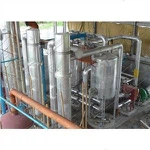
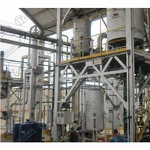
As a seasoned supplier of LNG machinery, I've witnessed firsthand the intricate dance of starting up these powerful systems. The startup procedures for LNG machinery are a critical phase that demands meticulous planning, strict adherence to safety protocols, and a deep understanding of the equipment involved. In this blog, I'll walk you through the essential steps and considerations for a successful LNG machinery startup.
Pre - Startup Preparations
Before the actual startup, a series of comprehensive preparations must be completed. These steps are designed to ensure that the machinery is in optimal condition and that all safety measures are in place.
Inspection and Maintenance
The first step is a thorough inspection of the entire LNG machinery system. This includes checking the physical condition of the equipment, such as the integrity of pipes, valves, and tanks. Any signs of wear, corrosion, or damage should be addressed immediately. Regular maintenance schedules should be followed to keep the machinery in top - notch condition. For example, lubrication systems need to be checked to ensure proper oil levels and the absence of contaminants.
Safety Checks
Safety is of paramount importance in the LNG industry. All safety devices, such as pressure relief valves, emergency shutdown systems, and gas detection sensors, must be tested and verified to be functioning correctly. Fire suppression systems should also be inspected and their readiness confirmed. Additionally, personnel involved in the startup process should be properly trained in safety procedures and provided with appropriate personal protective equipment (PPE).
Documentation Review
Reviewing all relevant documentation is crucial. This includes equipment manuals, operating procedures, and safety data sheets. The startup team should be familiar with the specific requirements and limitations of the LNG machinery. Any changes or updates to the documentation should be noted and incorporated into the startup plan.
Pre - Commissioning Steps
Once the pre - startup preparations are complete, the pre - commissioning phase begins. This phase focuses on ensuring that all individual components of the LNG machinery are functioning as intended before integrating them into the overall system.
Cleaning and Purging
The LNG machinery components, especially pipes and vessels, need to be thoroughly cleaned to remove any debris, dirt, or contaminants. After cleaning, a purging process is carried out using an inert gas, typically nitrogen. Purging helps to displace any oxygen in the system, reducing the risk of combustion or explosion when LNG is introduced.
Leak Testing
Leak testing is an essential part of pre - commissioning. Different methods can be used, such as pressure testing and vacuum testing, depending on the nature of the equipment. For example, pressure testing involves pressurizing the system to a specified level and monitoring for any pressure drops, which could indicate a leak. All joints, flanges, and connections should be carefully inspected during this process.
Instrument Calibration
All instruments and control systems in the LNG machinery need to be calibrated. This includes temperature sensors, pressure gauges, flow meters, and level indicators. Accurate calibration ensures that the machinery operates within the specified parameters and that the control systems can respond appropriately to any changes.
Startup Sequence
After the pre - commissioning steps are successfully completed, the actual startup sequence can begin. This sequence is carefully orchestrated to ensure a smooth and safe transition from a standby state to full operation.
Initial Power - Up
The first step in the startup sequence is to power up the essential systems, such as the control panels, pumps, and compressors. This should be done gradually to avoid any sudden electrical surges that could damage the equipment. Once powered up, the control systems should be initialized and checked for proper communication with all components.
Cooling and Pre - Conditioning
For LNG machinery, cooling is a critical step. The system needs to be gradually cooled down to the appropriate operating temperature. This is typically done using refrigeration systems or by circulating cold fluids. Pre - conditioning also involves adjusting the pressure and flow rates of various fluids in the system to prepare it for the introduction of LNG.
LNG Introduction
Once the system is cooled and pre - conditioned, LNG can be introduced into the machinery. This process should be carefully controlled to avoid any rapid changes in pressure or temperature. The flow rate of LNG should be gradually increased while monitoring the system for any signs of instability or abnormal behavior.
System Integration and Optimization
After the LNG is introduced, the different components of the machinery need to be integrated and optimized. This includes adjusting the operation of pumps, compressors, and valves to ensure efficient and stable operation. The control systems should be fine - tuned to maintain the desired temperature, pressure, and flow rates throughout the system.
Post - Startup Monitoring
Even after a successful startup, continuous monitoring is essential to ensure the long - term reliability and safety of the LNG machinery.
Parameter Monitoring
Key parameters such as temperature, pressure, flow rate, and vibration should be continuously monitored. Any deviations from the normal operating range should be investigated immediately. This can be done using automated monitoring systems that provide real - time data and alerts.
Performance Evaluation
The performance of the LNG machinery should be evaluated against the design specifications. This includes assessing the efficiency of the refrigeration system, the power consumption of the compressors, and the overall throughput of the system. Any performance issues should be addressed promptly to optimize the operation of the machinery.
Maintenance and Troubleshooting
Regular maintenance tasks should be carried out as part of the post - startup phase. This includes lubrication, filter replacement, and inspection of critical components. If any problems or malfunctions are detected, a troubleshooting process should be initiated to identify and resolve the issue.


Conclusion
The startup procedures for LNG machinery are a complex and multi - step process that requires careful planning, strict adherence to safety protocols, and continuous monitoring. As a LNG machinery supplier, we understand the importance of providing high - quality equipment and comprehensive support to ensure a successful startup. Our team of experts is available to assist you at every stage, from pre - startup preparations to post - startup monitoring.
If you are in the market for LNG machinery or need assistance with the startup of your existing equipment, we invite you to contact us for a detailed discussion. We are committed to helping you achieve optimal performance and reliability in your Liquefied Natural Gas Power Plant, Natural Gas Liquefaction Plant, or LNG Power Plant.
References
- LNG Machinery Manufacturer's Manuals
- International Standards for LNG Equipment Operation and Safety
- Industry Best Practices for LNG System Startup