

Linear alkylbenzene sulfonic acid (LABSA) is a crucial chemical compound that plays multiple significant roles in water treatment processes. As a leading LABSA supplier, I am excited to delve into the various functions of LABSA in water treatment and share valuable insights with you.
1. Surfactant Properties and Emulsification
LABSA is well - known for its excellent surfactant properties. Surfactants are substances that can reduce the surface tension between two liquids or between a liquid and a solid. In water treatment, this property is extremely useful.
When water contains oil or grease contaminants, LABSA can act as an emulsifying agent. It has a hydrophilic (water - loving) head and a hydrophobic (water - hating) tail. The hydrophobic tail attaches to the oil or grease particles, while the hydrophilic head remains in the water phase. This forms an emulsion where the oil droplets are dispersed evenly in the water, preventing them from coalescing and floating to the surface.
This emulsification process is essential in industrial wastewater treatment, especially in industries such as oil refineries, metalworking, and food processing. For example, in metalworking, cutting fluids often contain oil. When the wastewater from metalworking operations is treated, LABSA can help break down the oil - in - water emulsions, making it easier to separate the oil from the water. This is a key step in reducing the oil content in the wastewater to meet environmental discharge standards.

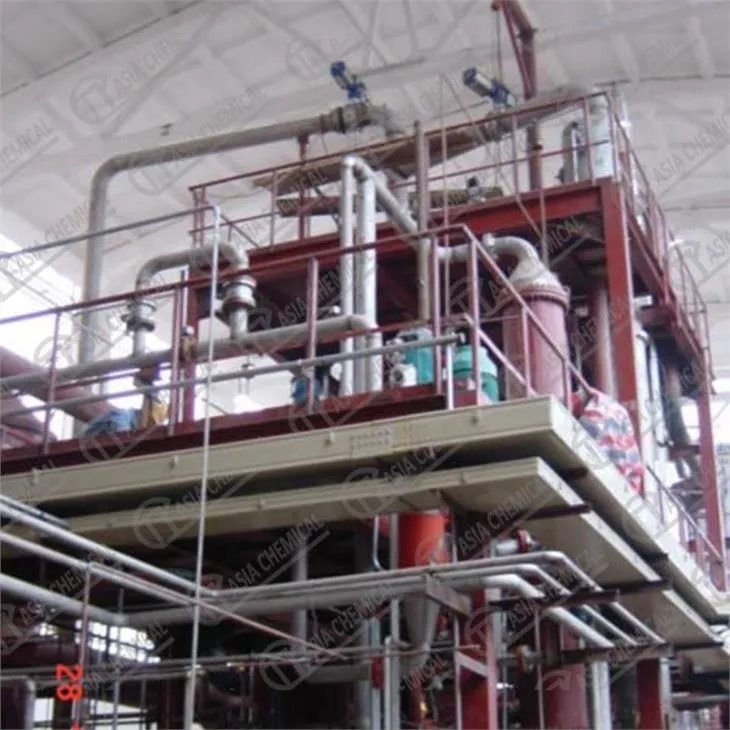
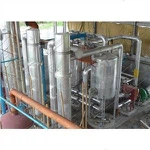
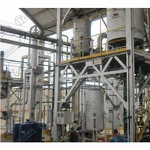
The production of LABSA involves a complex process that takes place in a Sulphonation Reactor. The sulphonation reaction is a critical step where linear alkylbenzene reacts with a sulphonating agent to form LABSA. This process is carried out in a Sulphonation Plant or a Sulphonation Process Plant, which are designed to ensure high - quality production of LABSA with the desired properties for water treatment applications.
2. Dispersant and Scale Inhibitor
In water treatment systems, the formation of scales and the deposition of suspended solids are common problems. Scales are formed when dissolved minerals such as calcium carbonate, calcium sulfate, and magnesium hydroxide precipitate out of the water. These scales can accumulate on the surfaces of pipes, heat exchangers, and other equipment, reducing their efficiency and lifespan.
LABSA can act as a dispersant to prevent the aggregation of suspended particles and scale - forming minerals. It adsorbs onto the surface of these particles, creating a repulsive force between them. This keeps the particles in suspension and prevents them from settling and forming scales.
For instance, in cooling water systems, where water is continuously circulated and heated, the concentration of dissolved minerals increases over time. Without proper treatment, scales can quickly form on the cooling coils. LABSA can be added to the cooling water to disperse the scale - forming minerals, ensuring that the cooling system operates efficiently.
Moreover, LABSA can also inhibit the growth of scale crystals. It interferes with the crystal growth process by binding to the active sites on the crystal surface, preventing further growth of the crystals. This is particularly important in water treatment plants that use hard water sources, as it helps to maintain the performance of the treatment equipment and reduces the need for frequent maintenance due to scale buildup.
3. Coagulation and Flocculation Aid
Coagulation and flocculation are important steps in water treatment for removing suspended solids, colloids, and organic matter from water. Coagulation involves the addition of a coagulant to neutralize the charges on the particles, causing them to come together and form small aggregates. Flocculation then follows, where these small aggregates are further combined into larger, more easily settleable flocs.
LABSA can act as an aid in the coagulation and flocculation process. It can enhance the performance of traditional coagulants such as aluminum sulfate and ferric chloride. By reducing the surface tension of the water, LABSA helps the coagulant to spread more evenly in the water, improving the contact between the coagulant and the particles.
In addition, LABSA can also interact with the particles and the coagulant - formed flocs, promoting their aggregation. This results in the formation of larger and more stable flocs that settle more quickly. In water treatment plants that treat surface water containing high levels of turbidity, the addition of LABSA can significantly improve the efficiency of the coagulation and flocculation process, leading to clearer water with lower levels of suspended solids.
4. Biodegradability and Environmental Considerations
One of the advantages of using LABSA in water treatment is its relatively high biodegradability. Unlike some other synthetic chemicals, LABSA can be broken down by microorganisms in the environment. This is important from an environmental perspective, as it reduces the long - term impact of the chemical on the ecosystem.
When LABSA is discharged into the environment along with the treated water, it can be gradually degraded by bacteria and other microorganisms. This means that it does not accumulate in the environment and pose a long - term threat to aquatic life. However, it is still important to use LABSA in the appropriate concentrations and follow the recommended dosage guidelines to ensure that the biodegradation process can occur effectively.
5. Cost - effectiveness
From an economic point of view, LABSA is a cost - effective option for water treatment. It is relatively inexpensive compared to some other specialty chemicals used in water treatment. Moreover, its multi - functional properties mean that it can perform several tasks simultaneously, reducing the need for multiple chemicals.
For example, instead of using separate chemicals for emulsification, scale inhibition, and coagulation aid, LABSA can be used to achieve all these functions to some extent. This simplifies the water treatment process and reduces the overall cost of treatment. In large - scale water treatment plants and industrial wastewater treatment facilities, the cost savings can be significant over time.
Contact for Purchase and Consultation
If you are involved in water treatment processes and are looking for a reliable source of high - quality LABSA, I invite you to contact me. As a professional LABSA supplier, I can provide you with detailed information about our products, including their specifications, applications, and pricing. Whether you need a small quantity for a pilot project or a large - scale supply for a continuous water treatment operation, I am committed to meeting your needs. We can also offer technical support and advice on the optimal use of LABSA in your specific water treatment system. Don't hesitate to reach out to start a fruitful discussion about your LABSA requirements.
References
- "Handbook of Water and Wastewater Treatment Plant Operations" by William C. Sawyer, Perry L. McCarty, and George F. Parkin.
- "Water Treatment Unit Processes: Physical and Chemical" by David W. Hendricks.
- "Surfactants in Agrochemicals" edited by R. M. Hill.