

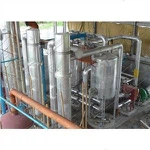
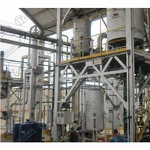
Ensuring a stable and cost - effective raw material supply is crucial for the efficient operation of an STPP (Sodium Tripolyphosphate) plant. As a dedicated supplier for STPP plants, I have gained in - depth insights into the various raw material sourcing strategies over the years. In this blog, I will share some key strategies for sourcing raw materials for an STPP plant.
Understanding the Key Raw Materials for STPP Production
STPP is produced by the reaction of phosphoric acid and sodium carbonate. Therefore, phosphoric acid and sodium carbonate are the two primary raw materials for an STPP plant. Phosphoric acid can be sourced from phosphate rock, which is typically mined from natural deposits. Sodium carbonate, on the other hand, can be obtained from either natural trona deposits or through chemical synthesis methods.
Diversification of Sourcing Channels
One of the most important strategies for raw material sourcing is diversification. Relying on a single supplier or source of raw materials can be extremely risky. Any disruption, such as a natural disaster, labor strike, or political unrest at the supplier's location, can significantly impact the production of the STPP plant.
For phosphoric acid, in addition to purchasing from large - scale chemical manufacturers, consider establishing relationships with local mining - processing companies that produce phosphoric acid from phosphate rock. These local companies may offer more flexible terms and sometimes more competitive prices. Moreover, they are more likely to have a better understanding of the regional resource situation.
When it comes to sodium carbonate, source it from both synthetic producers and natural trona mines. Synthetic sodium carbonate producers have the advantage of being able to adjust production according to market demand. Conversely, natural trona mines can provide a relatively stable long - term supply due to the large - scale nature of trona deposits.
Long - Term Contracts with Suppliers
Long - term contracts are a cornerstone of a reliable raw material sourcing strategy. By signing long - term contracts with suppliers, the STPP plant can secure a stable supply of raw materials at pre - agreed prices. This helps to hedge against price fluctuations in the raw material market, which can be quite volatile, especially for commodities like phosphoric acid and sodium carbonate.
When negotiating long - term contracts, it is essential to include provisions for price adjustments based on certain market indices or production cost factors. This ensures fairness for both parties as market conditions change. For example, if the price of phosphate rock increases significantly, the contract can allow for a reasonable upward adjustment of the phosphoric acid price.
Strategic Stockpiling
Maintaining a strategic stockpile of raw materials can act as a buffer against supply disruptions. A well - thought - out stockpiling plan should take into account factors such as the lead time for raw material replenishment, the stability of the supply chain, and the storage capacity of the STPP plant.
For instance, if a particular supplier has a long lead time for delivering phosphoric acid due to complex production and shipping processes, it is advisable to maintain a larger stockpile. However, stockpiling also incurs costs such as storage fees and the risk of product degradation over time, so it needs to be carefully balanced.
Collaborative Partnerships with Suppliers
Building collaborative partnerships with suppliers goes beyond simple buyer - seller relationships. By working closely with suppliers, the STPP plant can gain access to their expertise and innovation capabilities. For example, suppliers may have insights into more efficient production methods or new sources of raw materials.
Suppliers can also be involved in joint research and development projects. For instance, collaborating with a phosphoric acid supplier to develop a more energy - efficient production process can not only reduce production costs but also improve the environmental performance of the entire supply chain.
Global Sourcing vs. Local Sourcing
Global sourcing can provide access to a wider range of raw material suppliers, potentially offering better prices and quality. However, it also comes with challenges such as longer lead times, higher shipping costs, and potential geopolitical risks.
On the other hand, local sourcing can offer shorter lead times, lower transportation costs, and better support for the local economy. It also allows for more frequent communication and easier on - site visits to the suppliers.
A balanced approach that combines both global and local sourcing can be the most effective strategy. For example, source high - volume, standardized raw materials globally to take advantage of economies of scale, and source specialized or urgent - need materials locally.
Risk Assessment and Management
Conducting regular risk assessments of the raw material supply chain is essential. This involves identifying potential risks such as natural disasters, political instability, and changes in regulations at the suppliers' locations. Once the risks are identified, develop appropriate mitigation strategies.
For example, if a major supplier is located in an area prone to earthquakes, consider alternative suppliers in less - risky regions. Additionally, having insurance coverage for raw material inventories can help mitigate the financial impact of supply chain disruptions.


Monitoring Market Trends
The raw material market for STPP production is constantly evolving. Monitoring market trends such as price movements, new production technologies, and changes in supply and demand dynamics is crucial. This can be done through market research reports, industry conferences, and participation in professional networks.
By staying informed about market trends, the STPP plant can make proactive decisions regarding raw material sourcing. For example, if a new technology emerges that reduces the cost of producing phosphoric acid, it may be beneficial to explore partnerships with suppliers adopting this technology.
As a supplier for STPP plants, I understand the importance of these raw material sourcing strategies. If you are running an STPP Power Plant or interested in setting up a Sodium Tripolyphosphate Production Line or Sodium Tripolyphosphate Plant, you need to carefully consider these strategies to ensure the smooth operation and profitability of your business.
I am here to assist you in implementing these sourcing strategies and providing high - quality raw materials. If you are interested in discussing raw material procurement for your STPP plant, I encourage you to reach out. Let's start a conversation to explore how we can work together to optimize your raw material sourcing and enhance your production efficiency.
References
- Chemical Engineering Journal: Various articles on the chemicals supply chain and raw material sourcing strategies.
- Mining and Metallurgy Review: Publications related to phosphate rock mining and phosphoric acid production.
- Industrial Chemistry Today: Information on sodium carbonate production methods and market dynamics.