

In the realm of chemical manufacturing, Linear Alkyl Benzene Sulfonic Acid (LABSA) holds a pivotal position as a crucial surfactant used in a wide array of industries, including detergents, cleaning agents, and emulsifiers. As a dedicated supplier to LABSA factories, I've witnessed firsthand the numerous production challenges these facilities encounter on a daily basis. In this blog post, I'll delve into the key production challenges faced by LABSA factories and explore potential solutions to overcome them.
Raw Material Sourcing and Quality
One of the primary challenges for LABSA factories is sourcing high - quality raw materials. The production of LABSA primarily involves the sulfonation of Linear Alkyl Benzene (LAB) using sulfur trioxide ($SO_3$). The quality of LAB significantly impacts the final product's quality. Variations in the carbon chain length distribution, purity, and presence of impurities in LAB can lead to inconsistent LABSA quality.
Moreover, sourcing sulfur trioxide can also be a complex task. Sulfur trioxide is often generated on - site from sulfuric acid or purchased as a liquid or gas. The transportation and storage of sulfur trioxide require strict safety measures due to its highly reactive and corrosive nature. Any contamination or improper handling of sulfur trioxide can result in production inefficiencies and safety hazards.
As a supplier, we understand the importance of providing LABSA factories with consistent and high - quality raw materials. We work closely with our partners to ensure that the LAB we supply meets the strictest quality standards. By maintaining long - term relationships with reliable raw material suppliers, we can help LABSA factories minimize the risks associated with raw material sourcing.
Reaction Control and Process Optimization
The sulfonation reaction is the heart of LABSA production. Achieving the right reaction conditions is crucial for obtaining high - quality LABSA with the desired properties. Factors such as reaction temperature, reaction time, and the molar ratio of LAB to sulfur trioxide need to be carefully controlled.
Temperature control is particularly challenging during the sulfonation process. The reaction is highly exothermic, which means it releases a large amount of heat. If the temperature is not properly managed, it can lead to side reactions, such as the formation of by - products or the degradation of the LABSA product. This not only affects the product quality but also reduces the overall yield of the production process.
Process optimization is another area where LABSA factories face challenges. Continuous improvement of the production process is necessary to increase efficiency, reduce costs, and minimize environmental impacts. Implementing advanced process control technologies, such as automation and real - time monitoring systems, can help LABSA factories better manage the reaction conditions and optimize the production process.
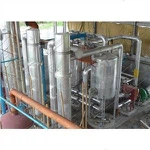
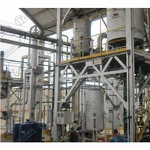
To assist LABSA factories in this regard, we offer Sulfonic Acid Production Equipment that is designed to provide precise control over the reaction parameters. Our equipment is equipped with state - of - the - art temperature control systems and advanced sensors to ensure that the sulfonation reaction proceeds smoothly and efficiently.
Corrosion and Equipment Maintenance
The highly corrosive nature of the chemicals involved in LABSA production poses a significant challenge to the durability of production equipment. Sulfuric acid, sulfur trioxide, and LABSA itself can cause severe corrosion to metal surfaces, leading to equipment failure and production downtime.
Regular equipment maintenance is essential to prevent corrosion and ensure the smooth operation of the production facility. However, maintenance can be a costly and time - consuming process. LABSA factories need to invest in high - quality corrosion - resistant materials for their equipment and establish a comprehensive maintenance schedule.
We recommend the use of specialized Sulphuric Acid Treatment Plant and Sulphonation Plants that are built with corrosion - resistant materials. These plants are designed to withstand the harsh chemical environment of LABSA production and require less frequent maintenance. By providing LABSA factories with durable and reliable equipment, we can help them reduce maintenance costs and increase the lifespan of their production facilities.


Environmental and Regulatory Compliance
In recent years, environmental and regulatory requirements have become increasingly stringent for the chemical industry. LABSA factories are required to comply with a wide range of regulations related to waste management, emissions control, and product safety.
The production of LABSA generates waste products, such as spent acid and by - products, which need to be properly treated and disposed of. Failure to comply with waste management regulations can result in significant fines and damage to the factory's reputation. Additionally, emissions of volatile organic compounds (VOCs) and other pollutants during the production process need to be strictly controlled to minimize the environmental impact.
As a responsible supplier, we support LABSA factories in meeting their environmental and regulatory obligations. We offer solutions for waste treatment and emissions control that help factories reduce their environmental footprint. By implementing sustainable production practices, LABSA factories can not only comply with regulations but also enhance their corporate social responsibility.
Safety Management
Safety is of utmost importance in LABSA production. The chemicals used in the production process are hazardous, and any accident can have serious consequences for the workers and the surrounding environment. LABSA factories need to have comprehensive safety management systems in place to prevent accidents and protect their employees.
Training programs for workers are essential to ensure that they are aware of the potential hazards associated with the production process and know how to handle the chemicals safely. Regular safety inspections and maintenance of safety equipment, such as fire extinguishers and ventilation systems, are also necessary to minimize the risks.
We work with LABSA factories to develop and implement effective safety management strategies. By providing training materials and safety guidelines, we help factories create a safe working environment for their employees.
Conclusion
In conclusion, LABSA factories face a multitude of production challenges, including raw material sourcing, reaction control, corrosion and equipment maintenance, environmental and regulatory compliance, and safety management. As a supplier, we are committed to helping LABSA factories overcome these challenges.
We offer a range of products and services, including high - quality raw materials, advanced production equipment, and solutions for waste treatment and emissions control. By partnering with us, LABSA factories can improve their production efficiency, enhance product quality, and ensure the safety and sustainability of their operations.
If you are a LABSA factory looking for a reliable partner to help you address your production challenges, we would love to hear from you. Contact us to start a conversation about how we can work together to optimize your LABSA production process.
References
- Smith, J. (2018). Chemical Process Technology in Surfactant Production. Elsevier.
- Johnson, R. (2019). Safety and Environmental Management in the Chemical Industry. CRC Press.
- Brown, A. (2020). Raw Material Sourcing and Quality Control in Chemical Manufacturing. Wiley.